Which London Neighbourhoods Are Worth Exploring? 15 Areas to Discover
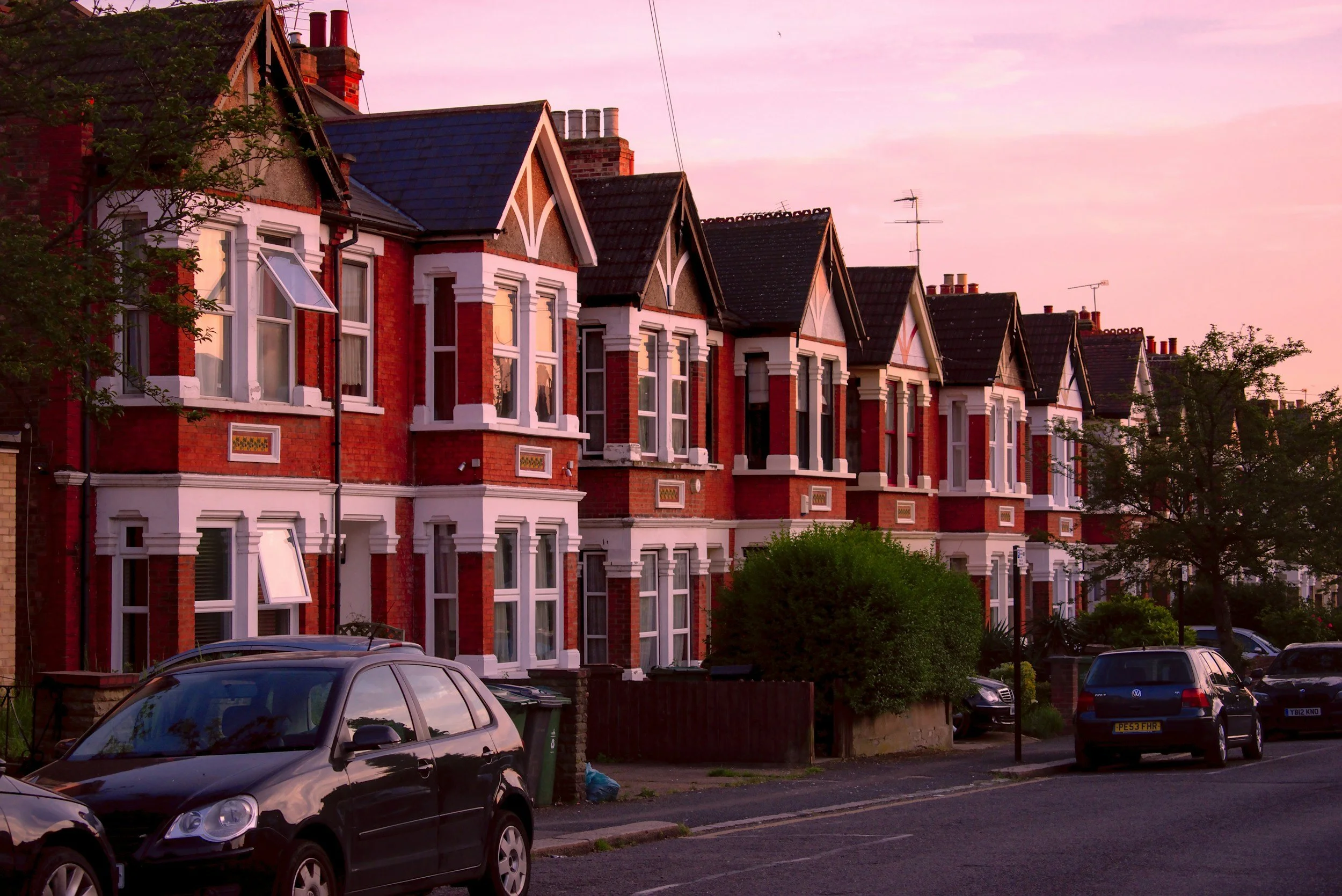
If you only see the famous landmarks, you can visit London without really experiencing London.
Big Ben, the Tower of London, Buckingham Palace and the London Eye are all worth seeing. But spend a little more time here and you start to notice something else: London is really a collection of neighbourhoods, each with its own personality.
One area can feel like a historic English village. Another can be covered in street art, independent shops and food stalls. Somewhere else, you might find grand Victorian houses, huge parks, Caribbean food, riverside walks or one of the best views across the city.
That is what makes exploring London neighbourhoods so much fun.
You don't need to visit every corner of the city. Pick a few that match what you enjoy, give yourself time to walk around and let the neighbourhood itself become part of your London experience.
Here are 15 London neighbourhoods worth exploring, especially if you want to see more than the standard tourist route.
1. Greenwich – History, Parks and River Views
Greenwich is one of the easiest neighbourhoods to recommend to someone visiting London for the first time because it gives you several completely different experiences in one place.
There is maritime history, royal history, museums, a huge park, a historic market and the River Thames.
The historic heart of Greenwich forms part of a UNESCO World Heritage Site, with attractions including the Old Royal Naval College, Royal Museums Greenwich and Greenwich Park.
Walk through Greenwich Park towards the Royal Observatory and you'll get one of the classic views across London, with Canary Wharf rising in the distance.
Then head downhill towards Greenwich Market and the riverside.
Explore it for: history, parks, architecture, museums, markets and river walks.
Give it: at least half a day.
2. Hampstead – Village Streets and Hampstead Heath
Hampstead feels surprisingly different from the image many people have of London.
Its narrow streets, independent shops, cafés and old-fashioned village atmosphere make it easy to forget that you are still inside one of the world's biggest cities.
Then there is Hampstead Heath.
The enormous green space is one of London's best places to escape the city's buildings and traffic. Walk across the Heath, explore the different viewpoints and make your way towards Parliament Hill for one of London's famous skyline views.
Hampstead is also close to Primrose Hill, another excellent viewpoint if you want to turn your visit into a longer north London walk.
VisitBritain describes Hampstead as a leafy part of London with restaurants, delis and access to Hampstead Heath.
Explore it for: greenery, village streets, cafés, walking and views.
Give it: a relaxed half day.
3. Shoreditch – Street Art, Markets and East London Energy
If Hampstead shows you one side of London, Shoreditch shows you almost the opposite.
This is colourful, creative and constantly changing.
Street art covers walls around the neighbourhood, while independent shops, cafés, restaurants, bars and markets fill the streets.
Brick Lane is one of the obvious places to explore, particularly around the weekend, but don't stop there. Walk around the surrounding streets and look above shopfronts and around side streets.
Old Spitalfields Market is nearby, while Shoreditch High Street and Hoxton provide plenty of opportunities to continue exploring.
Visit London's current guide describes Shoreditch and Hoxton as a creative area known for street art, design-led shops, food markets, galleries and nightlife.
Explore it for: street art, food, vintage shopping, markets and nightlife.
Give it: an afternoon or evening.
4. Notting Hill – Colourful Streets and Portobello Road
Notting Hill is famous for its colourful houses and Portobello Road, but there is more to the neighbourhood than taking photographs outside pastel-coloured homes.
Spend some time walking beyond the busiest sections of Portobello Road.
You'll find cafés, restaurants, independent shops, residential streets and garden squares.
The area becomes particularly lively around market days, while the wider neighbourhood is also closely associated with the Notting Hill Carnival.
It is undeniably popular with visitors, so don't think of it as a secret London neighbourhood. Instead, think of it as a neighbourhood where you can combine famous sights with ordinary London streets.
VisitBritain continues to highlight Notting Hill for its colourful houses, cafés, pubs and famous market.
Explore it for: photography, shopping, cafés, architecture and markets.
Give it: 3–4 hours.
5. Brixton – Food, Music and London's Multicultural Story
Brixton is one of the neighbourhoods to visit when you want to experience a different cultural side of London.
Its markets, restaurants, music venues and multicultural heritage are a major part of its identity.
Brixton Village is a natural starting point for food, while Windrush Square and the Black Cultural Archives provide an opportunity to learn more about Black British history.
The area is also strongly connected with London's music culture.
Visit London's September 2026 neighbourhood guide describes Brixton through its markets, music venues, multicultural heritage, food scene and cultural institutions.
Explore it for: food, music, history and culture.
Give it: half a day, especially if you plan to eat.
6. Richmond – A Slower Side of London
Want London without feeling like you're in the middle of a giant city?
Go to Richmond.
The neighbourhood has a riverside atmosphere, independent shops, cafés, pubs and access to Richmond Park.
Richmond Park is particularly special because it feels far removed from central London, with enormous open spaces and free-roaming deer.
You can spend the morning walking through the park, then head towards the town centre and River Thames for food or a riverside stroll.
Visit London's neighbourhood map specifically highlights Richmond for its river walks, outdoor spaces and historic attractions.
Explore it for: nature, the river, walking and a quieter day.
Give it: half a day to a full day.
7. Camden – Markets, Music and Alternative London
Camden is one of London's most recognisable neighbourhoods, but it remains worth exploring because there is so much happening within a relatively small area.
Camden Market is the obvious starting point.
But don't spend your entire visit inside the market.
Walk along the canal, explore the streets around Camden Town and continue towards Primrose Hill if you want to combine the neighbourhood with one of north London's best viewpoints.
Camden has long been associated with alternative culture, music, food and nightlife, making it particularly different from areas such as Kensington or Westminster.
Explore it for: markets, food, music, canals and alternative culture.
Give it: half a day.
8. Peckham – Creative South London
Peckham is a good example of why you shouldn't judge London neighbourhoods by their distance from the centre.
There is plenty happening here, from independent food and drink to cultural spaces, shops and nightlife.
Peckham Rye provides a large green space, while the streets around Rye Lane give you a very different experience.
The area is also useful for visitors who want to explore south London rather than repeatedly staying north of the Thames.
Visit London includes Peckham among its dedicated south London neighbourhood guides, alongside Brixton and other areas.
Explore it for: food, independent businesses, culture and a local south London atmosphere.
Give it: an afternoon.
9. Islington & Angel – Canals, Cafés and Georgian Streets
Islington is a great choice when you want something that feels polished and local without being dominated by major tourist attractions.
Angel's main streets are packed with cafés, restaurants, shops and places to stop for a drink.
Then there is the Regent's Canal.
Walk along the canal towards Camden or east towards Hackney and you'll quickly see a quieter side of London.
The area also has attractive Georgian architecture and smaller streets that are much more enjoyable to explore on foot than by rushing between Tube stations.
Visit London lists Islington & Angel among its main north London neighbourhoods.
Explore it for: cafés, architecture, shopping and canal walks.
Give it: 3–5 hours.
10. Walthamstow – East London Beyond Shoreditch
If you want to explore east London without stopping at Shoreditch, head further out.
Walthamstow has a strong local identity, a busy high street and a mixture of markets, independent businesses, cafés and green spaces.
One of the area's attractions is its connection to William Morris, while Walthamstow Village offers a quieter contrast to the busier parts of the neighbourhood.
You can also use the area as a starting point for exploring Waltham Forest more broadly.
Visit London specifically recommends Waltham Forest among London's neighbourhoods and highlights Walthamstow as an area worth discovering.
Explore it for: local life, markets, history and east London culture.
Give it: half a day.
11. Chiswick – Riverside London Without the Crowds
Chiswick is the kind of neighbourhood you visit when you want a slower London day.
The area combines leafy streets, independent shops, restaurants, pubs and access to the Thames.
Chiswick House and Gardens adds history and green space, while the riverside provides an excellent walking route.
It is particularly good if you want to experience the kind of neighbourhood where Londoners actually spend their weekends rather than ticking off tourist attractions.
Visit London highlights Chiswick alongside Richmond and Hammersmith as west London areas with parks, river walks and historic attractions.
Explore it for: riverside walks, gardens, food and a relaxed atmosphere.
Give it: half a day.
12. Crystal Palace – Views, Parks and Dinosaurs
Crystal Palace is one of those London neighbourhoods that can surprise first-time visitors.
The area sits on higher ground in south London and is known for its park, views and distinctive local character.
Crystal Palace Park is home to the famous dinosaur sculptures, while the surrounding streets have cafés, restaurants and independent businesses.
Visit London specifically points to Crystal Palace as an area worth exploring, including its unusual dinosaur attractions.
It is also a good place to experience London away from the main tourist routes.
Explore it for: parks, views, local cafés and something a little unusual.
Give it: half a day.
13. Blackheath – Village Atmosphere and Open Green Space
Blackheath is another neighbourhood that can make you question whether you are still in London.
The wide open heath is surrounded by a village-like centre filled with cafés, restaurants, pubs and independent shops.
It also works particularly well alongside Greenwich.
You can explore Greenwich Park and then continue towards Blackheath, creating a full south-east London day without spending the entire day travelling.
The wider Royal Borough of Greenwich tourism guide highlights Blackheath as one of the area's neighbourhoods worth discovering.
Explore it for: open space, cafés, village atmosphere and walking.
Give it: 2–4 hours, or combine it with Greenwich.
14. Bermondsey – Food, Beer and a Different South Bank
Most visitors know the South Bank.
Far fewer explore what happens once you continue south-east.
Bermondsey is a great area for food, drink, independent businesses and neighbourhood walks.
Bermondsey Street is an obvious place to begin, but the area becomes more interesting when you start wandering beyond the main road.
The neighbourhood also makes sense as part of a longer walk from London Bridge and Tower Bridge.
This is the sort of area where you can combine a major London landmark with a more local-feeling neighbourhood instead of treating them as completely separate experiences.
Explore it for: food, independent businesses, pubs and walking.
Give it: an afternoon.
15. Hackney – East London Beyond the Obvious
Hackney is a good choice if you've already explored central London and want to see a more contemporary side of the city.
The wider area includes independent shops, cafés, restaurants, pubs, creative spaces, markets and access to green areas.
You can also connect a Hackney visit with nearby neighbourhoods such as London Fields, Broadway Market and Hackney Wick, depending on how much time you have.
The important thing is not to treat Hackney as one single attraction. It is a large part of east London with several distinct pockets worth exploring.
That is exactly the point of neighbourhood travel in London: the interesting part is often the walk between the places you originally planned to visit.
So, Which London Neighbourhood Should You Explore?
There isn't one neighbourhood that gives you the complete London experience.
That's because there isn't really a single version of London.
If you want history and big views, try Greenwich.
If you want green space and village streets, explore Hampstead or Richmond.
For street art, markets and nightlife, Shoreditch is an obvious choice.
For food, music and multicultural culture, look towards Brixton.
For colourful streets and photography, Notting Hill is an easy pick.
For markets and alternative culture, try Camden.
For creative south London, explore Peckham or Crystal Palace.
For riverside walks and a slower day, Chiswick or Richmond work well.
And if you've already seen the central attractions and want to understand a little more of everyday London, try Walthamstow, Hackney, Bermondsey or Blackheath.
How to Explore London Neighbourhoods Properly
The biggest mistake is trying to visit too many.
Don't attempt five neighbourhoods in one day simply because they're all visible on a map.
Pick one or two that are close enough to combine.
Then walk.
Start with one destination, have lunch somewhere nearby, wander through the surrounding streets, stop for coffee, visit a local shop or market and see what you find.
That's when London starts feeling less like a checklist of attractions and more like a city.
And remember that neighbourhoods change.
A street that feels quiet in the morning can become completely different at night. A Sunday market can transform an otherwise ordinary street. A neighbourhood can feel completely different in summer compared with a cold winter afternoon.
You don't always need another attraction.
Sometimes the neighbourhood itself is the thing worth seeing.
Quick guide
NeighbourhoodBest forGreenwichHistory, parks and river viewsHampsteadGreen space and village atmosphereShoreditchStreet art, food and nightlifeNotting HillColourful streets and marketsBrixtonFood, music and cultureRichmondNature and riverside walksCamdenMarkets and alternative culturePeckhamCreative south LondonIslington & AngelCafés, architecture and canalsWalthamstowLocal east LondonChiswickRiverside and relaxed daysCrystal PalaceParks, views and something unusualBlackheathOpen space and village atmosphereBermondseyFood, drink and neighbourhood walksHackneyContemporary east London
London is much bigger than the postcard version you see around Westminster.
So once you've seen the landmarks, don't immediately ask, “What attraction should I visit next?”
Ask yourself:
“Which part of London do I want to experience?”
That's usually when the more interesting day begins.
Planning your next London day out? Discover more neighbourhood guides, hidden gems, food spots and things to do on LondonYaar.com.
Follow @rohan.londonyaar for more London places, stories and things worth knowing before you visit.