What to Do in London When You Have Already Seen the Famous Attractions
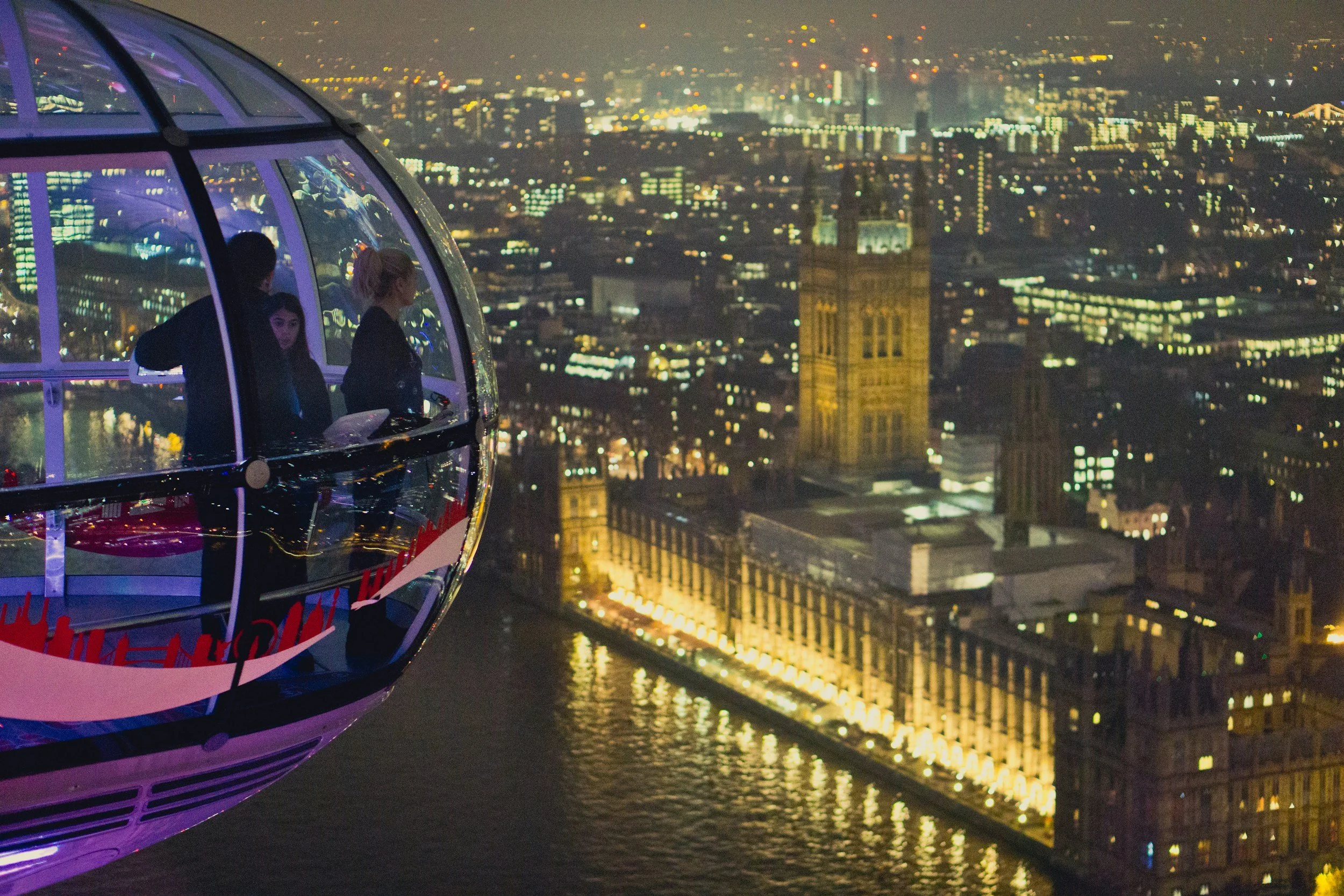
You've seen Big Ben.
You've walked past Buckingham Palace.
You've taken the obligatory photo of Tower Bridge, wandered around Trafalgar Square and probably spent enough time around the London Eye to know exactly where it sits on the South Bank.
So what happens when you've already seen the famous side of London?
Quite a lot, actually.
One of the best things about London is that the city doesn't run out of things to do once you've ticked off the major attractions. In fact, that is often when the more interesting version of London starts to appear.
You can spend a morning walking beside a canal, eat your way through a neighbourhood market, discover an eccentric museum, explore a completely different part of the city, watch London life from a park bench or simply spend an afternoon wandering without a strict itinerary.
London has an enormous collection of lesser-known attractions and unusual experiences, and even Visit London currently highlights everything from hidden historic corners to quirky museums, secret gardens and unusual tours.
So if you've already done the famous London attractions, here are 18 things to do next.
1. Explore a London Neighbourhood Properly
Instead of asking, “What attraction should I visit next?”, choose a neighbourhood and spend several hours there.
Try Hampstead, Greenwich, Brixton, Walthamstow, Peckham, Islington, Bermondsey, Blackheath or Chiswick.
Don't build the day around one attraction.
Walk down the high street. Find a café. Look inside independent shops. Visit a local market. Sit in a park. Have lunch somewhere you hadn't planned to visit.
This is one of the easiest ways to see a side of London that you miss when every day is organised around famous landmarks.
And there is a lot of variety.
Walthamstow, for example, currently has everything from markets and independent businesses to nature reserves, breweries and creative spaces.
Best for: seeing how different parts of London actually feel.
2. Walk Along a London Canal
You've probably seen the Thames plenty of times.
Now try one of London's canals.
Little Venice to Camden is one of the easiest routes to start with. The walk takes you through a completely different landscape, with narrowboats, waterside paths, bridges and stretches of greenery.
You can also explore parts of the Regent's Canal around Hackney and east London.
Little Venice is particularly good because you can walk beside the water or take a canal boat towards Camden. Visit London currently describes the Little Venice–Camden route as taking around 45 minutes by canal boat.
And you don't need to pay for a boat trip to enjoy the area.
Walking is the experience.
Best for: a slower afternoon and photography.
3. Go to a London Market You Haven't Seen Before
If you've already been to Borough Market, don't assume you've experienced London's market culture.
There are markets all over the city.
Try Columbia Road Flower Market on a Sunday, Broadway Market, Maltby Street Market, Brixton Village, Victoria Park Market or one of London's many smaller neighbourhood markets.
Columbia Road is particularly distinctive because the flower market takes place on Sundays, currently from 8am to 3pm, with independent shops and cafés lining the street as well.
Markets are also a great way to revisit an area you've already seen.
Instead of sightseeing for another day, go somewhere simply to eat, browse and wander.
Best for: food, shopping and people-watching.
4. Discover London's Weirdest Museums
London has museums for almost everything.
And once you've already visited the British Museum, Natural History Museum and Science Museum, this is where things get interesting.
You can explore places such as Dennis Severs' House, the Viktor Wynd Museum of Curiosities, the Leighton House Museum or the Postal Museum and Mail Rail.
These aren't interchangeable with the big national museums.
They're smaller, stranger and often much more specific.
Visit London's current 2026 guide to unusual London experiences specifically highlights Viktor Wynd Museum, Mail Rail, Dennis Severs' House and Leighton House among its unusual experiences.
The advantage is that you can come away feeling like you discovered something rather than simply visited another major attraction.
Best for: repeat visitors and curious travellers.
5. See London From a Different Viewpoint
You've probably photographed London from ground level.
Try looking at it from above.
And you don't necessarily need to pay for another expensive attraction.
Horizon 22 offers free views from the 58th floor of 22 Bishopsgate, with 300-degree views across London. Advance booking is required.
You can also explore viewpoints such as:
Primrose Hill
Parliament Hill
Greenwich Park
Alexandra Palace
King Henry's Mound in Richmond
The interesting thing is that each gives you a completely different version of the skyline.
From Greenwich, you'll see Canary Wharf.
From Primrose Hill, you'll get a broad central London panorama.
From Richmond, the view feels much greener.
Best for: photography and a different perspective on a familiar city.
6. Spend a Day in Greenwich Without Chasing Attractions
If you've already visited central London's famous landmarks, Greenwich makes a brilliant second-stage London day.
But don't treat it as a checklist.
Walk through Greenwich Park, explore the streets around the historic centre, browse Greenwich Market, walk towards the Thames and spend some time around the Old Royal Naval College.
You can also combine Greenwich with Blackheath for a longer neighbourhood day.
The point isn't necessarily to visit every museum.
It's to experience an area where London's history, green space, architecture, markets and riverside come together.
Best for: a full day away from central London's busiest streets.
7. Take a Long London Walk
One of the best ways to explore London costs absolutely nothing.
Walk.
Not from one Tube station to another.
Actually walk through the city.
Try a route such as:
Little Venice → Regent's Canal → Camden → Primrose Hill
or
London Bridge → Bermondsey → Southwark Park → Rotherhithe
or
Greenwich → Greenwich Park → Blackheath
You don't have to finish the entire route.
Stop when you find somewhere interesting.
London is surprisingly walkable when you stop thinking about it as a collection of Tube stations.
Visit London's current sightseeing advice also recommends exploring London on foot and notes that some apparently separate central destinations are much closer together than visitors expect.
Best for: repeat visitors who want to slow down.
8. Explore the City of London on a Weekend
The City of London can feel completely different depending on when you visit.
During the working week, it is one of the busiest business districts in the country.
At the weekend, some streets can feel dramatically quieter.
Use that to your advantage.
Explore Leadenhall Market, discover the remains of London's Roman Amphitheatre beneath Guildhall Art Gallery, walk around the historic streets and look up at the modern skyscrapers surrounding them.
Visit London's own hidden-London itinerary combines Guildhall Art Gallery and the Roman Amphitheatre with Leadenhall Market and other less-obvious City experiences.
It's one of the best places to appreciate just how many layers London has.
Roman London.
Medieval London.
Victorian London.
Modern London.
Sometimes all within a few minutes' walk.
Best for: history lovers and architecture fans.
9. Visit St Dunstan in the East
You've probably photographed London's grand churches.
Now find one that looks almost like a secret garden.
St Dunstan in the East is the ruined remains of a historic church, with plants and trees growing through the old structure.
It is not a traditional attraction in the way St Paul's Cathedral is.
That's precisely why it is interesting.
The combination of historic stonework and greenery makes it one of the city's more unusual urban spaces, and Visit London's current 2026 guide includes it among London's hidden and quirky experiences.
Keep in mind that it is a public garden and not a place to treat like an entertainment venue.
Walk quietly, take photographs respectfully and move on.
Best for: photography and a short break from the city.
10. Spend an Afternoon in Walthamstow
If you've already explored central and west London, head east.
Walthamstow is a particularly good choice for a repeat visitor because it gives you a very different version of the capital.
Explore Walthamstow Village, browse the market, discover independent businesses and make time for God's Own Junkyard.
You can also continue towards the area's green spaces and nature reserves.
Current Visit London coverage describes Walthamstow as a creative, community-shaped part of east London with markets, historic attractions, independent breweries and nature.
This isn't a place you should rush through in an hour.
Give it time.
Best for: repeat visitors looking for a different side of London.
11. Go Looking for Street Art
London's street art scene is much bigger than one famous wall on Brick Lane.
Walk around Shoreditch, Hackney, Camden, Peckham or parts of Brixton and you'll find constantly changing artwork.
The fun is that there isn't one definitive street-art attraction.
The city itself is the gallery.
Murals disappear.
New work appears.
Side streets change.
That's also why you shouldn't expect an online list of locations to remain perfect forever.
Explore with your camera, but remember that London is a living neighbourhood rather than a collection of backdrops.
Best for: photography, design and discovering areas on foot.
12. Spend Time in London's Parks Without Treating Them as a Shortcut
You've probably walked through parks on the way to somewhere else.
Try visiting one with no other objective.
Take Richmond Park.
Or Hampstead Heath.
Or Greenwich Park.
Or Holland Park.
Or Victoria Park.
Pack something to eat, walk without rushing and sit down for a while.
London's parks are a major part of the city's character. Visit London's current outdoor guide highlights the capital's huge variety of parks, gardens, woodlands, nature reserves and waterways.
Richmond Park can feel particularly far removed from central London, while Hampstead Heath gives you a completely different landscape and skyline.
Best for: a quiet day.
13. Try a London Food Crawl
Instead of booking one big meal, turn food into the day's activity.
Pick a neighbourhood and try several things.
Start with coffee.
Have a snack.
Find street food for lunch.
Stop somewhere for dessert.
Then finish with dinner.
You could do this in Chinatown and Soho, Brixton, Shoreditch, Bermondsey, Spitalfields or another neighbourhood with a strong food scene.
London's markets alone offer a huge range of street food, regional specialities and independent traders.
The idea isn't to eat five full meals.
It's to turn exploring into the reason you keep walking.
Best for: food lovers who have already done the sightseeing checklist.
14. Go to the Theatre Without Making It a Tourist Event
You don't have to book the biggest West End musical simply because you're in London.
Look beyond the headline shows.
Explore smaller theatres, fringe productions, comedy, experimental theatre and local performances.
Places such as Little Venice's Canal Café Theatre offer a very different theatrical experience from the giant West End productions, while London's wider theatre scene includes venues across almost every part of the city.
The best part about repeat visits is that you can choose something because it sounds interesting rather than because it appears on every London itinerary.
Best for: theatre fans and evening plans.
15. Take a Thames Walk Instead of a Thames Cruise
You've seen the Thames.
Now follow it.
Choose a section and walk.
For example:
Westminster → South Bank
or
Tower Bridge → London Bridge → Bankside
or explore further east towards Rotherhithe and beyond.
You'll see familiar landmarks from different angles, but you'll also notice things you probably missed while rushing between attractions.
The Thames is one of the best ways to connect different parts of London, and current Visit London guidance also recommends seeing the city from the river and exploring its riverside areas.
Best for: photography, walking and rediscovering familiar London.
16. Find a Smaller Historic House or Garden
Once you've visited the major royal palaces, try one of London's smaller historic properties.
Leighton House is an excellent example.
So are places such as Dennis Severs' House and other historic homes scattered around the city.
They give you a more intimate experience than a huge palace.
You aren't simply looking at an enormous collection of rooms.
You're getting a glimpse into a particular period, person or way of life.
Visit London's current guide to unusual experiences specifically highlights both Leighton House and Dennis Severs' House.
Best for: history, architecture and people who like unusual museums.
17. Plan a Day Around One Neighbourhood Market
Instead of visiting a market for 30 minutes, make it the centre of your entire day.
For example, start around Columbia Road on Sunday.
Browse the flower market.
Explore the independent shops.
Stop for coffee.
Walk towards nearby east London streets.
Have lunch.
Then continue towards another part of the neighbourhood.
Columbia Road currently operates on Sundays from 8am to 3pm, making it particularly easy to build a morning around.
The same idea works elsewhere.
A market doesn't have to be a quick stop between major attractions.
It can be the reason you visit the area.
Best for: slow travellers and weekend trips.
18. Do Absolutely Nothing for an Afternoon
This might sound like strange travel advice.
It isn't.
If you've already seen London's famous attractions, you don't have to replace every landmark with another activity.
Sit in a park.
Read a book.
Have a coffee.
Watch people walk past.
Walk into a bookshop.
Take a bus somewhere you've never been.
Get off when the neighbourhood looks interesting.
London can be exhausting when every hour has a destination attached to it.
Sometimes the best way to experience the city is to leave a few hours completely unplanned.
And you might discover something that wasn't on your itinerary.
How to Make Your Second London Trip Feel Completely Different
The trick isn't finding 50 secret attractions.
It's changing how you explore.
On your first trip, you probably moved from landmark to landmark.
On your next visit, try moving from neighbourhood to neighbourhood.
Instead of asking:
“What famous attraction haven't I seen?”
ask:
“What part of London haven't I experienced?”
That small change makes a huge difference.
You might spend one day in east London eating your way through markets.
Another day could be a long canal walk.
Another could be Greenwich and Blackheath.
Another could be museums you've never heard of.
Another could simply be a park, a bookshop and a long lunch.
There is no requirement to keep collecting landmarks.
London has enough neighbourhoods, markets, museums, parks, canals, theatres and small discoveries to keep a repeat visitor busy for years.
A Simple Repeat-Visitor London Formula
If you're struggling to plan your next day, try this:
Morning: Choose one neighbourhood.
Late morning: Walk without a strict route.
Lunch: Eat somewhere local.
Afternoon: Visit one unusual attraction, market, museum or park.
Evening: Stay in the same area for dinner or find a nearby theatre, pub or live event.
That is often more enjoyable than crossing London five times to see five unrelated attractions.
And don't worry about whether something is famous.
If you enjoy it, it belongs on your London itinerary.
The London you haven't seen yet
Seeing the famous attractions is only one way of visiting London.
They give you the introduction.
The neighbourhoods, canals, markets, parks, independent shops, small museums, local food and unexpected corners give you the rest of the story.
So if you've already photographed Big Ben and walked across Westminster Bridge, don't ask what landmark comes next.
Go somewhere you've never been.
That might be the better London day.
Planning your next London day out? Discover more neighbourhood guides, hidden gems, food spots and things to do on LondonYaar.com.
Follow @rohan.londonyaar for more London places, stories and things worth knowing before you visit.