The Story Behind London’s Old Pub Signs (And What They Actually Meant)
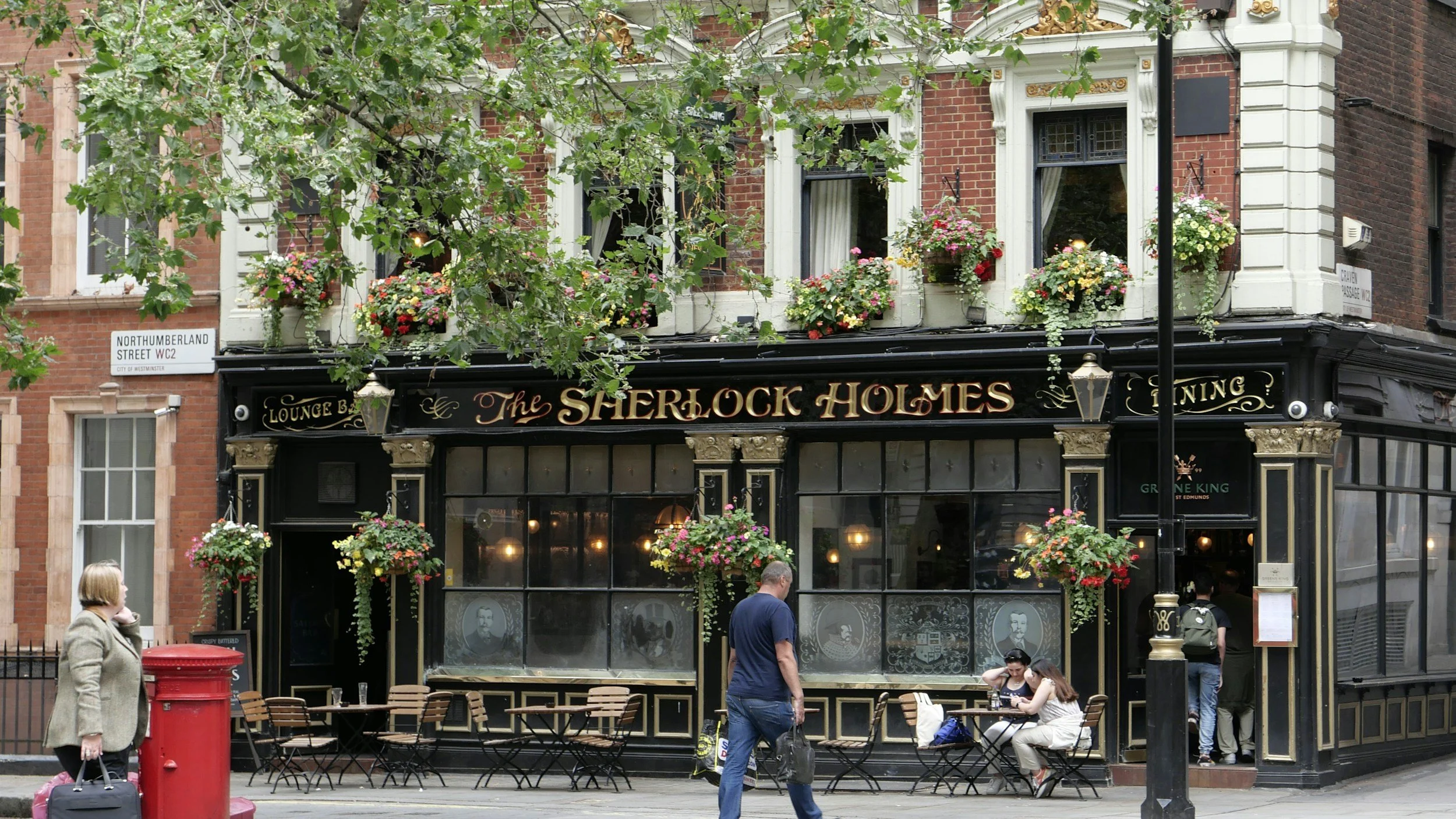
Walk through London and you’ll notice something before you even step inside a pub.
Not the crowd.
Not the noise.
The sign.
A painted board hanging outside, often swinging slightly in the wind.
And the names don’t feel random.
“The Red Lion.”
“The King’s Head.”
“The Crown.”
At first, they seem repetitive.
But they’re not.
Because these signs weren’t originally designed to be clever.
They were designed to be understood.
And once you know why…
You start seeing London’s pubs very differently.
First Why Do Pubs Even Have Signs?
The reason goes back to a time when:
Most people couldn’t read
In medieval England, literacy rates were low.
So instead of written names…
Pubs used images
A picture of:
A lion
A crown
A ship
Was easier to recognise than words
So the sign wasn’t decoration.
It was communication
Why So Many Pubs Have the Same Names
This is one of the most common questions.
Why are there so many:
Red Lions
King’s Heads
Crowns
Because many pub names weren’t chosen freely.
They were influenced by:
Royalty
Politics
Religion
Let’s break that down.
The Royal Influence
Many pubs were named after:
The monarchy
Examples:
“The Crown”
“The King’s Head”
“The Royal Oak”
These weren’t just names.
They showed loyalty
At certain times in history, displaying support for the monarchy was:
Expected
So pubs used these symbols publicly.
Why “The Red Lion” Is Everywhere
“The Red Lion” is one of the most common pub names in the UK.
Why?
It comes from heraldry
The red lion appears in:
Royal and noble coats of arms
Especially linked to:
Scottish and English symbols
So the name became:
Widely adopted
3. Trade and Local Identity
Some pub signs reflected:
What people did
In areas near the Thames, you’ll find names like:
“The Ship”
“The Anchor”
Connected to:
Sailors
Trade
River life
So the sign told you:
Who the pub was for
4. Symbols Instead of Words
Even when words were added later…
The image remained central
Because:
People recognized symbols faster
A traveler didn’t need to read.
They could just:
Look
And know where they were
Why the Style Still Exists Today
This is the interesting part.
Most people can read now.
So why keep the signs?
Tradition
Pubs are one of the oldest parts of London culture.
Changing them completely would mean:
Losing identity
Recognition
These signs have become:
Visual symbols of London
Tourists don’t just visit pubs.
They photograph them
Craft and Design
Many pub signs are:
Hand-painted
They’re not just signs anymore.
They’re artwork
What People Get Wrong
❌ “Names are random”
Most have historical meaning
❌ “They’re just decoration”
Originally, they were functional
❌ “Every pub name is unique”
Repetition comes from shared history
What These Signs Actually Represent
They represent:
A time before modern communication
A way of guiding people without words
A connection between place, identity, and history
And in a city that changes constantly…
They’ve stayed almost the same
Final Thought
Next time you walk past a pub in London…
Don’t just read the name.
Look at the sign.
Because what looks like a simple image…
Is actually a piece of history
One that was designed to be understood long before anyone could read it