The Story Behind London’s “Ghost” Underground Stations (And Why They Still Exist Today)
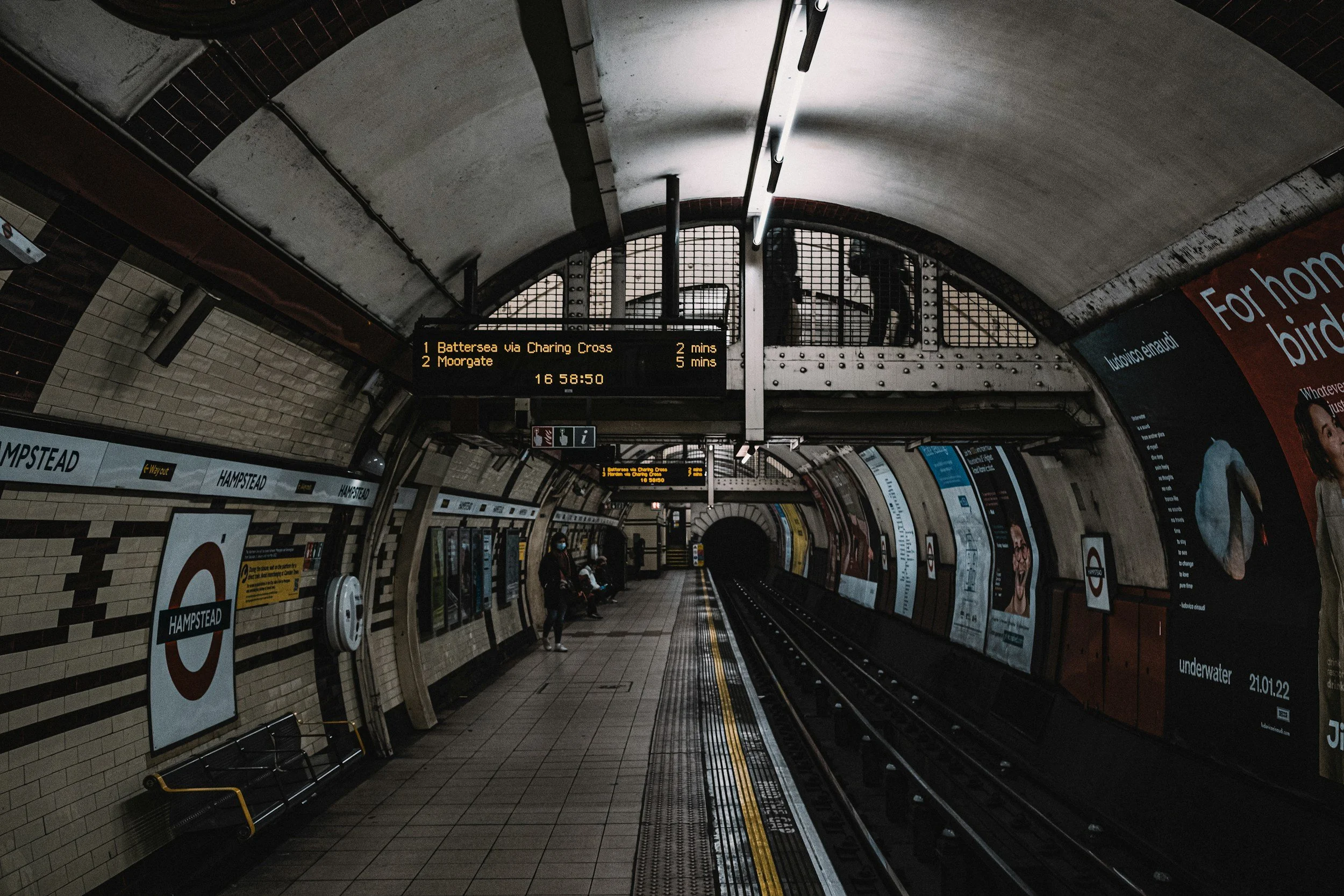
There’s a side of London most people never see.
It’s not hidden on purpose.
It’s just… forgotten.
Beneath the city, beyond the busy platforms and crowded trains, there are stations that no longer appear on maps.
No announcements.
No passengers.
Just empty platforms sitting in the dark.
These are London’s “ghost” stations.
And unlike what the name suggests…
They’re not about ghosts.
They’re about time.
First What Is a “Ghost Station”?
A ghost station is:
A station on the
London Underground
that has been closed and is no longer in use.
But here’s what makes London unique:
Many of these stations still physically exist
They haven’t been demolished.
They’ve just been… left behind.
Why Do Stations Become “Ghost Stations”?
There isn’t just one reason.
It’s usually a mix of:
1. Low Passenger Use
Some stations simply didn’t get enough people.
If nearby stations were more convenient, passengers stopped using them.
2. New Routes Made Them Redundant
As the Underground expanded, newer stations replaced older ones.
So some became unnecessary
3. War and Changing Infrastructure
During
World War II
Some stations were used as shelters or for government purposes.
After the war, not all reopened.
4. The City Changed
London isn’t static.
Areas develop, populations shift.
And transport adapts.
Some stations were simply left behind
Real Examples You Can’t Visit (But Still Exist)
This is where it gets interesting.
These aren’t myths.
They’re real places.
Aldwych Station
One of the most famous ghost stations.
Opened: 1907
Closed: 1994
Why it closed:
Very low usage
Nearby stations made it unnecessary
Today:
Used for filming
Occasionally opened for tours
Down Street Station
This one has a different story.
Closed: 1932
During WWII:
It was used as a secret government bunker
Even:
Winston Churchill
used it during the war
A station turned into a command space
British Museum Station
Closed: 1933
Why:
Too close to another station
Replaced by better connections
It simply became unnecessary
City Road Station
Closed: 1922
Low passenger numbers
One of the earliest examples of a “ghost station”
Why London Doesn’t Just Remove Them
This is the part most people don’t realize.
It’s Not Easy to Demolish Underground Structures
Deep tunnels
Complex infrastructure
Removing them would be difficult and expensive
Historical Value
Some stations are:
Part of London’s history
They’re Still Used (In Different Ways)
Many ghost stations are now used for:
Film sets
Training exercises
Maintenance access
So they’re not useless
Why You Might Have “Seen” One Without Knowing
Ghost stations often appear in:
Films
TV shows
Music videos
Because:
They look authentic
Without disrupting real stations
What People Get Wrong
❌ “They’re haunted”
No evidence
❌ “They’re completely abandoned”
Many are still used in some way
❌ “You can explore them freely”
Access is restricted
Final Thought
London’s ghost stations aren’t about mystery.
They’re about:
Change
A city evolving faster than its infrastructure.
And instead of erasing the past…
London leaves parts of it behind
Hidden. Quiet. Still there.
And somewhere beneath your feet…
Entire stations exist that most people will never see