The Lost Shops of Oxford Street: Where Londoners Used to Buy Christmas Gifts 50+ Years Ago
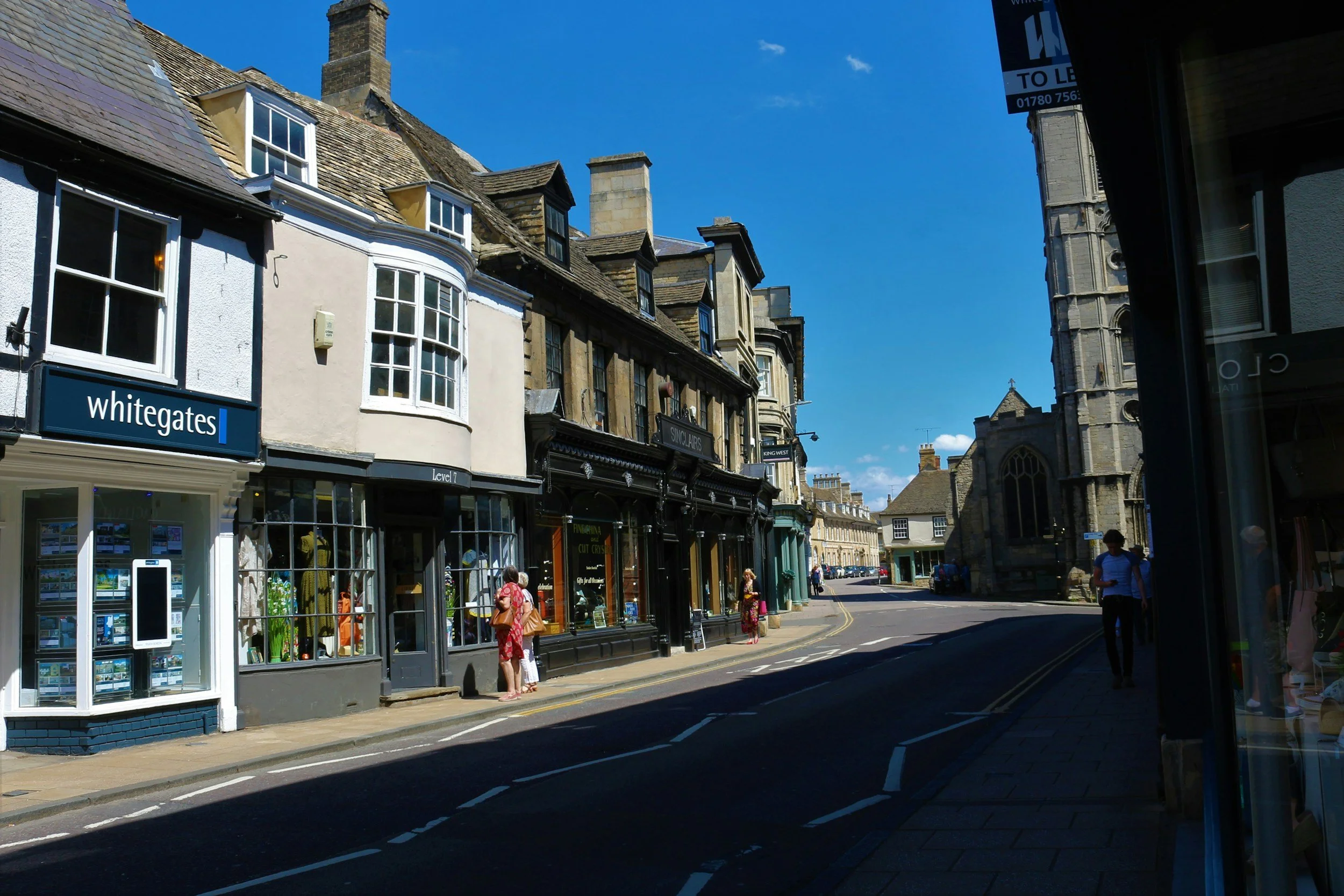
There’s something slightly melancholic about walking down Oxford Street these days. The lights still glitter at Christmas, the buses still rattle past, but if you look up from your phone there are a lot fewer department-store façades and familiar shop names than there used to be. For a long time Oxford Street was the place Londoners bought everything from a child’s wooden train to a family’s winter coat often in the same trip. Fifty years ago the street was dominated by big, multi-floor stores where families queued for the Christmas window displays and wrapped gifts in the store’s paper before heading home.
Today many of those names are gone or repurposed. This is a look back at the lost shops who they were, why they mattered, and how modern London has changed the way we buy Christmas gifts.
The golden era: why department stores mattered
In mid-20th century London, department stores weren’t just shops they were winter theatre. A Saturday on Oxford Street meant tea rooms, an escalator ride, and a sense that you’d “done” the city. Stores like D H Evans, Debenhams and other big names anchored the street, drawing people from suburbs and towns with the promise of selection, displays, and a whole mall worth of choice under one roof. The scale and spectacle of those stores helped make Oxford Street the busiest shopping street in Europe for decades.
For many families, a trip to Oxford Street in December was the whole ritual: tube in, presents bought, lunch in a department-store restaurant, a final window-peek at the mechanical displays and then the long walk home with paper bags that smelled faintly of fresh wrapping.
Woolworths the every-shop for stocking fillers (now gone)
If you grew up in the UK in the 1970s–1990s, Woolworths was the place you thought of for small gifts, stocking fillers and those cheap-but-essential treats. Its mix of toys, sweets, Christmas decorations and household goods made it perfect for last-minute buys and family budgets. The chain collapsed into administration in 2008, and the familiar shops that once sat across high streets including on Oxford Street closed their shutters. The loss of Woolworths was experienced as the end of a familiar ritual of affordable, quick Christmas shopping.
Where it was: Woolworths had multiple London locations over the decades; Oxford Street featured among the chain’s high-profile central stores. To feel that “Woolies” nostalgia today, walk Oxford Street from Oxford Circus toward Tottenham Court Road and imagine the old counters where sweets and toys used to be stacked.
BHS (British Home Stores) a homewares Christmas hub that disappeared
BHS was the kind of place you went for bedding, simple clothes and homeware presents the kind of store that made a house feel like a home. Its Oxford Street flagship closed in 2016 when the chain went into administration, a symbolic and public sign of the high-street’s struggles with changing retail habits. The closure marked the end of an era: many people remember buying their first electric blanket, or picking out matching towels there seasonal staples for cold-weather shopping.
Where it was: the BHS flagship on Oxford Street. Today the footprint has been absorbed into the changing retail mix new brands, pop-ups, and in some cases redevelopment but older shoppers still remember the long aisles and the staff who knew the stock like family.
C&A European fashion that quietly left in 2001
C&A used to be a familiar, affordable fashion name on UK high streets, including on Oxford Street. The company withdrew from the UK market around 2000–2001, closing stores and leaving a gap in mid-market clothing retail. Its departure is one of those quiet high-street moments that altered shopping choices: where shoppers once turned to one chain for cheap family clothing, they now had a more fragmented set of options.
D H Evans → House of Fraser names change, buildings linger
D H Evans was one of those grand department stores whose name is remembered in old photographs and long memories. In 2001 the D H Evans name was subsumed into House of Fraser, and while the building remained a shopping landmark, the rebranding signalled consolidation across department retail. Over the last decade these big department houses have shrunk, been taken over, or closed as the economics of retail changed.
Where it stood: the D H Evans building is on the western stretch of Oxford Street near Marble Arch / Bond Street; it’s a good example of how a single building can hold many retail memories.
Debenhams and the pandemic final curtain
One of the most visible and recent losses was Debenhams’ Oxford Street flagship. The brand founded centuries ago went into administration and, after the COVID lockdowns, the physical Oxford Street store did not reopen in 2021. The site’s closure felt especially poignant because it closed amid the pandemic’s huge disruption to city-centre retail and footfall patterns. Since then the massive Debenhams building has been eyed for redevelopment (including plans to convert it into labs and offices), underlining a broader shift: iconic retail space repurposed for other urban uses.
Where it was: 340–348 Oxford Street very central, between Tottenham Court Road and Oxford Circus the old Debenhams building is now part of Oxford Street’s reinvention plans.
Topshop & the ‘new nostalgia’ youth fashion leaves the flagship
Topshop’s Oxford Circus flagship (on the corner of Oxford Circus) was once a phenomenon multi-floor, celebrity collaborations, and a millennial shrine. After Arcadia’s collapse in 2020 and the changing retail landscape, that era ended; the brand’s physical empire was dismantled and the flagship closed. As the street retools, some of these fashion names are slowly returning in different forms (temporary residencies, smaller shops), but the old flagship shopping experience has disappeared for many.
Why did these shops disappear? (short, sharp reasons)
Online shopping shifted huge volumes away from physical stores for many categories the convenience beat in-person browsing.
Rising rents and business rates made running huge central-floor spaces expensive.
Changing consumer habits people now prefer niche brands, experiences, and fast fashion models that don’t need flagship department stores.
Pandemic shock accelerated closures (Debenhams being a notable pandemic-era casualty).
Consolidation and property reuse big buildings are now attractive for mixed-use redevelopment (offices, labs, leisure) which can offer steadier returns to landlords.
How to see the echoes of the old Oxford Street today
If you want a small walk that traces the ghosts of the old shops:
Start at Oxford Circus (Central / Victoria / Bakerloo). Walk west toward Bond Street and notice the big-store façades that have been rebranded or repurposed.
Detour to Tottenham Court Road to see where other era-defining stores once drew crowds.
Finish near Marble Arch where the older department store architecture gives a sense of how the street felt when windows were the main attraction.
If you’re staying central and want a comfy base after the walk, consider a short stay at a HOTEL so you can drop shopping and return without juggling bags on the Tube put that link into the sentence where it fits best.
Why this matters and why Oxford Street still matters
It’s tempting to mourn these stores as lost rituals, and there’s truth in that. But the street adapts: pop-ups, experiential retail, restaurants and offices now share the old footprints. Oxford Street’s story is also the story of cities changing retail is just one chapter in a much longer life.
If you want to feel the old rituals, look for the details: older façades, plaques, the layout of arcades and side streets where smaller specialists once clustered. Those are the places that still hold memory even when names change.
Stay curious about London’s retail story
If this took you back or if you want a walking route that points out the exact former locations of Woolworths, BHS, D H Evans and Debenhams with photos and suggested cafés to rest in between I can make that pocket map for you.
Save this post, share it with someone who remembers Christmas shopping on Oxford Street, and if you want more city stories and practical London tips, come say hi follow @london.yaar on Instagram. Think of it as having a local friend who knows where the ghosts of the high street like to hide.