London by the Strange and Small: 15 Rare (but True) Facts That Make the City Weirdly Charming
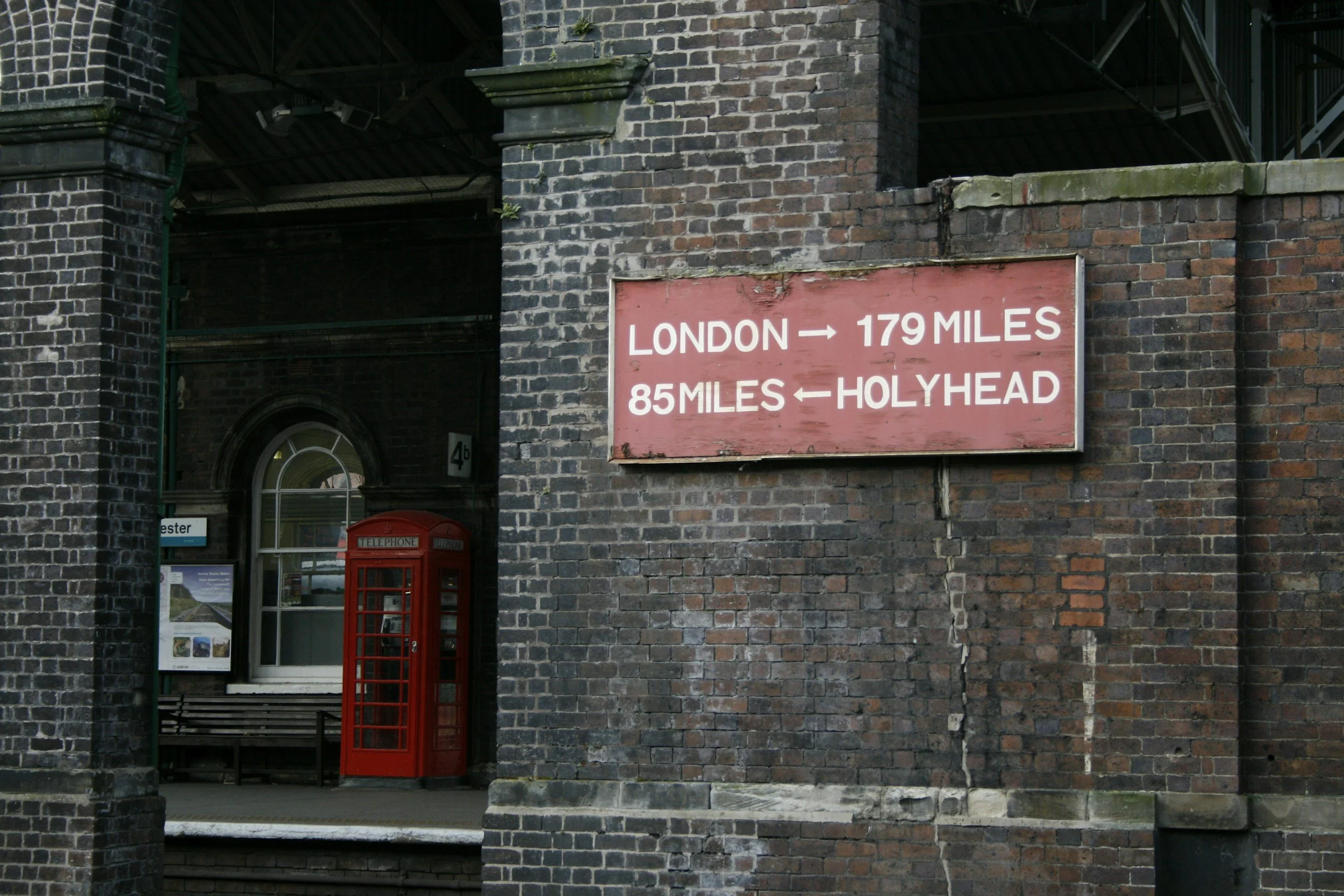
London is famous for the big things Tower Bridge, the Houses of Parliament, the West End. But what gets me every time are the small, odd, stubborn facts that show the city’s personality: a buried river that still murmurs underfoot, a tiny stone people whisper about, memorial tiles to forgotten heroes, and a public transport system that was the world’s first. These are the things I hunt for when I walk the city without a plan.
Here are 15 rare, little-known facts about London where to see them and how to get there if you’re a first-timer.
1. The Tube was the world’s first underground passenger railway (open since 1863)
London pioneered underground passenger rail with the Metropolitan Railway the origin of today’s Tube opening in January 1863. That steam-hauled first line ran from Paddington to Farringdon and kicked off over 160 years of subterranean city travel. If you like transport history, start at Paddington and imagine the wooden carriages under gaslight.
2. There’s a famous “lost” river under the city the Fleet (and others)
London has several hidden rivers that were swallowed by the expanding city; the River Fleet is the most famous once foul and fetid, now mostly a sewer flowing beneath Fleet Street and Farringdon. If you want to feel London’s watery past, walk through Farringdon and read the plaques the Museum of London has great background on the buried rivers.
3. Postman’s Park remembers ordinary people who died saving others
Tucked away near St Paul’s is Postman’s Park and its ceramic tiles: the Memorial to Heroic Self-Sacrifice commemorates everyday heroes whose brave acts would otherwise be forgotten. The wall of tiles was the idea of painter G. F. Watts and contains dozens of short, heartbreaking stories a stop that always slows my pace. Nearest Tube: St Paul’s or City Thameslink.
4. The “Great Smog” of 1952 changed British law (and cost thousands of lives)
London was blanketed by a lethal smog in December 1952 that caused severe health crises and later led to clean-air laws. Modern studies put excess deaths from that event in the thousands a grim turning point that reshaped environmental regulation in the UK. Read about it at the major history and medical sources to understand how a weather event became a public-health milestone.
5. London speaks hundreds of languages it’s one of the most linguistically rich cities on Earth
You’ll hear dozens often said to be over 300 different languages in London’s streets, reflecting waves of migration and the city’s global ties. This is not trivia; it’s why the food, festivals and daily soundscape feel truly international. Wander through Brick Lane or Southall for language and cuisine on glorious display.
6. The London Stone a tiny hunk of limestone with giant legends
Most people walk past the London Stone and never notice it in its small niche on Cannon Street. The stone has medieval mentions and mysterious legends about being the symbolic “heart” of the city its origin is unclear, but its aura is iconic. It’s a tiny physical landmark with huge folklore attached. Nearest Tube: Cannon Street.
7. You can still see long stretches of the Roman London Wall
Pieces of the Roman defensive wall survive around the City of London. One accessible section is near Tower Hill and others lie beside the Museum of London an easy way to step into Britannia’s old Londinium. If you like layers of history, this one’s a walkable time capsule.
8. The City keeps odd micro-museums and tiny curiosities
From the London Mithraeum tucked under Bloomberg’s offices to micro-museums about sewer history or the banknotes room, London hides specialist collections in unexpected places. The new London Museum (opening phases) is also reshaping where these stories live keep an eye on the Docklands and Smithfield area for fresh displays. Nearest hubs: Bank, Mansion House, and Canary Wharf for Docklands.
9. There’s an actual “golden” ritual: the Ceremony of the Keys at the Tower
This tiny, very old ritual the nightly locking of the Tower of London continues unchanged in essence for centuries. It’s a short, intimate ceremony and a real reminder that some civic rituals in London aren’t stagecraft they’re living tradition. Book ahead if you want to watch it. Nearest Tube: Tower Hill.
10. London once had an indoor market for gas lamps and later for… bicycles
Markets in London change over decades: some spaces you now pass were once specialist markets (lamp sellers, watchmakers, fruit stalls). Borough Market is ancient; nearby cobbles still echo those trade routes it’s why certain streets still smell like spices and leather. Nearest Tube: London Bridge.
11. The public footpath game: “right to roam” quirks and hidden alleys
London’s maze of alleys some semi-private means you can find short cuts and hidden courtyards almost anywhere. These pedestrian passages were once vital trade lanes. If you want an alley-hopping route, start around Covent Garden and head toward Seven Dials to see small lanes that feel a world away from the main drag.
12. There are mysterious cornerstones and “watching” lions, if you look up
Sculptors have hidden little faces, animals and dates on façades across Bloomsbury, Soho and the City. Architects used small carved details to sign their work and they’re fun to find. If you’re into urban treasure hunts, the façades around Holborn and Bloomsbury are excellent.
13. London’s theatre ecology is older and deeper than just the West End
The West End is famous, but fringe and pub theatres and the surviving Tudor-era playhouse footprints — show how theatre has long been woven into daily life. You can still visit reconstructed sites and small playhouses near Bankside and Southwark to feel the city’s theatrical heartbeat.
14. Some of London’s “new” things are actually recycled old structures
Old shipping warehouses, chapels and industrial buildings often become cafés, galleries, or apartments so what looks trendy is often a careful reuse of an older skeleton. Walk the King’s Cross redeveloped area to see grain warehouses and coal yards turned into communal spaces.
15. The unexpected memorials: tiny, poignant plaques across the city
Beyond statues and big memorials you’ll find dozens of small plaques for local teachers, nurses, or people with strange, moving stories. These are the tiny human notes that make London feel like a city of many private stories. Helpful places to start: Postman’s Park, local parish churches, and the Museum of London’s neighbourhood displays.
How to use this list as a gentle walking route (first-timer friendly)
If you’re in London for one day and you want a low-key, high-curiosity loop: start at Tower Hill (Roman wall), walk along the river toward London Bridge (markets and riverside curios), take the Tube to St Paul’s (Postman’s Park nearby), then stroll to Cannon Street to see the London Stone. Finish with a short Tube ride to Farringdon to imagine the Fleet River underneath your feet. Each stop is close to transport and gives you time to sit and absorb rather than rush.
If you’d prefer a comfortable base to return to after the walk, book a room at a HOTEL so you can freshen up and keep going.
Final thought London is the sum of its contradictions
The city’s big attractions matter, but those tiny facts the buried rivers, the surviving tiles, the odd stones and tiny plaques are where London feels most human. If you want one memory to take home from the city, make it a small one: a tile you read on a quiet bench, a cracked stone in a niche, or the sound of a river you can’t see.
And if you want to keep finding London’s hidden corners in real time, come say hi follow @london.yaar on Instagram. I post pocket routes, crowd-free time tips and the little stories that make this city feel like a friend rather than a checklist