Why London Has So Many Christmas Pop-Ups The Economics and Creativity Behind Winter Season Takeovers
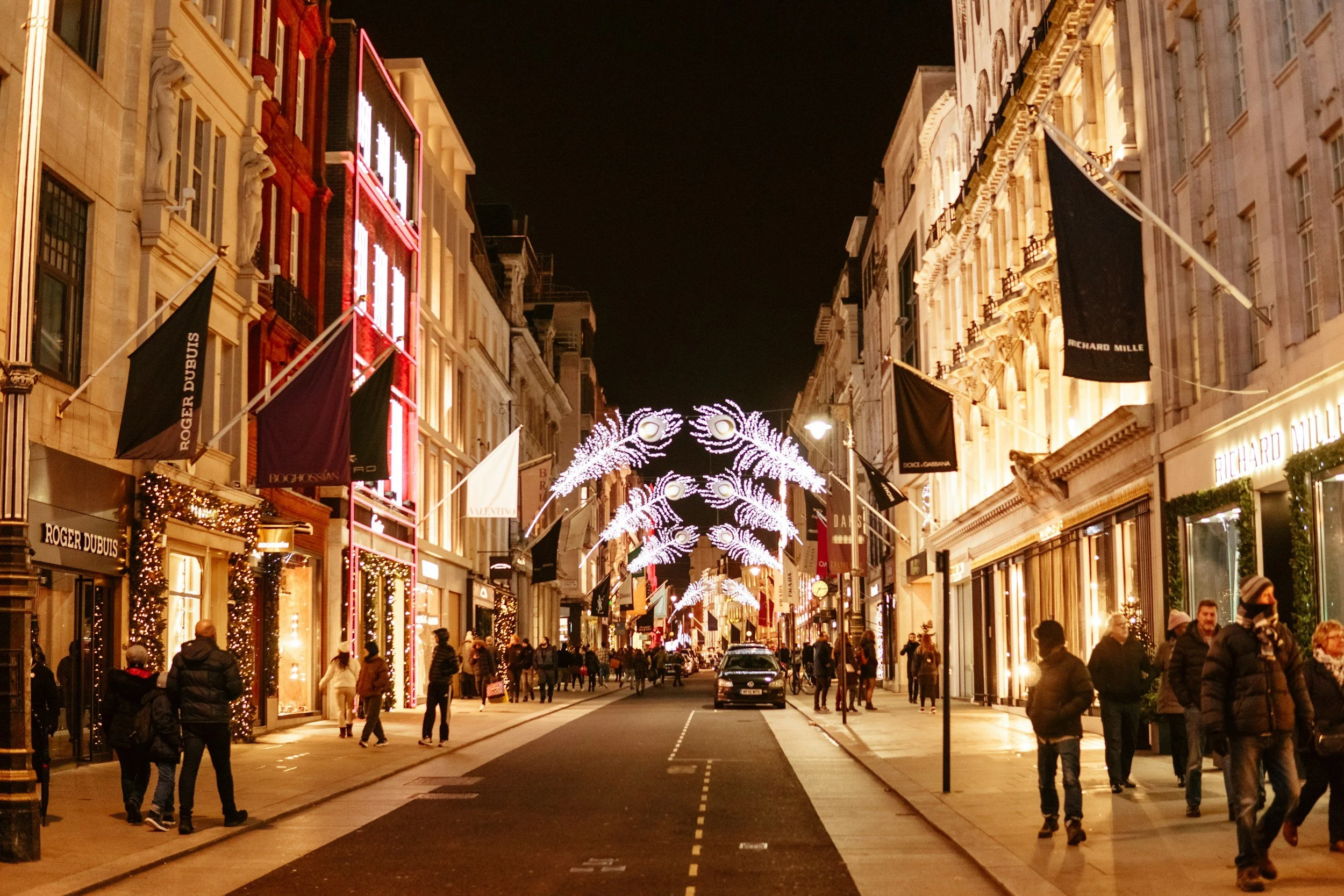
Walk around London in December and you’ll see the same thing everywhere: wooden chalets on the South Bank, themed igloos in rooftop bars, temporary ice rinks in courtyards, a light trail in a botanical garden and branded pop-up bars squeezed into car parks. It feels like the city turns itself inside out every winter and that’s not an accident. Pop-ups show up because they’re brilliant business, brilliant marketing, and brilliant theatre all at once.
If you want the short answer: Christmas pop-ups exist because they make money, they solve short-term space problems, and they let brands and creatives try things at low risk. But the longer, juicier story is more London part market logic, part creative ecosystem, part transport network and that’s what I’ll walk you through.
1) The blunt numbers: seasonal sales matter a lot
The easiest place to start is with money. Holiday trading is a big chunk of annual sales for many retailers and hospitality businesses; the festive season routinely drives a significant share of yearly revenue for shops, markets and attractions. In major economies the holiday period often contributes double-digit percentages of annual retail revenue, and that uplift makes temporary, high-margin pop-ups an attractive proposition for brands and landlords alike.
On a local level, carefully designed Christmas markets and pop-ups don’t just help the temporary stallholders they can boost nearby permanent traders too. Academic and council studies of Christmas markets in the UK show that when well-managed, these temporary events generate measurable local economic benefits rather than simply moving spending around. That’s why boroughs and business improvement districts often green-light the streets and parks that become pop-up sites.
Translation: you can sell more mince pies and hot chocolate in six weeks than you might in the same space for the rest of the year. That’s profitable for operators, and it’s profitable for the city.
2) Low-risk testing ground for new ideas (and new brands)
Pop-ups are the perfect experiment. A brand can open for a few weeks, test a concept (a themed cocktail bar, a limited-edition product, an immersive theatre show), learn what works, and then decide whether to expand or walk away. For landlords and property owners, a pop-up turns an otherwise empty or underused space into a revenue stream without a long lease commitment.
That’s why we see everything from corporate collaborations (think branded igloos or film tie-ins) to independent makers setting up stall in a lane for three weekends. The temporary nature lowers the stakes and raises the creative energy and in London, where creative businesses and startups are plentiful, that energy is fuel. The pop-up trend actually has roots in arts and activist activity temporary use of empty urban spaces and has since been embraced by marketers and developers as a mainstream tactic.
3) Space, timing and transport London is unusually good at this
London’s geography and transport network make it particularly friendly to short-term events. The city has large parks (Hyde Park, Green Park), riverfront promenades (South Bank), indoor venues with flexible courtyards (Somerset House, Coal Drops Yard) and plenty of underused spaces that can be temporarily transformed. Because most of central London is walkable and extremely well-connected by Tube and bus, people can hop between a market, a light trail and a temporary bar in a single evening. That density of places combined with tourists, workers, locals and students creates a built-in audience for pop-ups. The South Bank Winter Market, Christmas at Kew and Hyde Park’s Winter Wonderland are textbook examples: they occupy existing infrastructure but change the function for the season.
Practical first-timer tip: if you’re planning a pop-up crawl, cluster your stops for example, South Bank → Somerset House → Covent Garden so you minimise Tube changes and maximise hot-drink opportunities.
4) Storytelling, content and Instagram economics
Pop-ups are inherently ‘grammable’. Brands know we live in a visual economy: if an experience makes good photos, it becomes free advertising. That’s why so many pop-ups are designed around a single visual idea a neon slogan, a tunnel of lights, or an over-decorated hot-chocolate stall. For the brand it’s not just the ticket sales or drinks it’s all the social content and reach that comes with those photos. In London, with its dense media and influencer scene, a pop-up with a strong visual hook can reach millions for a fraction of what a global ad spend would cost. That creative payoff is a huge part of the calculus.
5) Scale economies for events one organizer, many micro-revenues
Big organisers (the teams behind Winter Wonderland, Christmas at Kew or large market collectives) can make the economics work by bundling revenue streams: ticket sales, food and drink, rides, corporate hire, sponsorship, and stall fees. A single successful pop-up season can therefore return a solid margin because income comes from many small sources. That’s why large, multi-week events invest so much in logistics and booking systems and why smaller operators often try to piggyback on their footfall by setting up close by.
6) Sustainability, regulation and the new reality
It’s not all glitter and profit. London’s organisations are increasingly accountable for environmental impact, accessibility and community consultation. Events like Christmas at Kew now emphasise sustainability in their light trails and operations; councils demand safety plans and noise management; residents express concerns about late-night activity. The best pop-ups navigate those tensions by working with local stakeholders, running quieter sessions, or committing to greener production. That’s part of why the scene keeps evolving rather than collapsing under its own weight.
7) Places you can visit (and how to get there)
Southbank Centre Winter Market (Queen’s Walk, Waterloo) — easy from Waterloo station; a classic riverside pop-up with food chalets and bars. Great for a walk and several hot drinks in one go.
Hyde Park Winter Wonderland (Hyde Park) — huge, ticketed, and very busy; closest stations include Marble Arch, Hyde Park Corner and Green Park. Book tickets in advance.
Christmas at Kew (Kew Gardens, Richmond) — a paid, timed evening light trail; get to Kew Gardens station on the District line or the Overground. Book earlier slots if you’re returning by train with kids.
If you’re staying central and want minimal transport stress, try a short stay at a HOTEL so you can walk to multiple pop-ups; or if you prefer to avoid late trains, pre-book a pickup with Cab SERVICE.
Final thought pop-ups are a London habit, not a phase
Christmas pop-ups are where the city’s economics and creativity meet: a temporary lease on space becomes a permanent part of London’s winter rhythm because it suits businesses, delights visitors, and gives creatives a stage. They’re an answer to modern retail pressures and a celebration of temporary theatre. London’s appetite for seasonal takeovers won’t disappear soon and if you enjoy them, that’s the city offering you small, changeable pleasures rather than one fixed version of itself.
If this helped you understand why London goes pop-up crazy every winter and you want timely route ideas, low-crowd slots, or suggested itineraries save this piece and come say hi.
For daily, practical London tips, last-minute pop-up alerts and the kind of “go-now” advice you actually need, follow @london.yaar on Instagram think of it as a friend who’s already queued, tested the mulled wine, and can tell you whether the lights are worth the wait.