Where Is London? Your Complete Guide to London’s Location, Landmarks & How to Find Everything
There’s something comforting about opening a map before you arrive in a new city especially a big, historic, slightly chaotic one like London. But here’s the funny thing: people know the names of London’s landmarks long before they know where any of them actually are. The London Eye. Tower Bridge. Big Ben. London Bridge. Westminster. The Tower of London. They float around like puzzle pieces until someone finally asks, “Okay… but where is London located, exactly? And where is everything inside it?”
This blog is your grounding point a simple, warm introduction to the city’s geography, its icons, and how everything fits together so your first steps in London feel familiar rather than overwhelming.
So, where is London located? Let’s start with the big picture.
London sits in the southeastern part of England, hugging the River Thames as it curves through the city. If you’re looking at a world map, you’ll find London on the continent of Europe, slightly above the midpoint of the UK, about halfway up the right-hand side of the island of Great Britain. Its coordinates 51.5074° N, 0.1278° W land you right by Westminster Bridge.
But geography is only half the story. London grew from a Roman settlement and spilled outward for centuries, becoming the capital of both England and the United Kingdom. Today, “Where London is located in the UK” doesn’t just mean a dot on the map it means a huge metropolitan patchwork bordered by the M25 motorway and connected by trains, buses and the Tube.
Understanding the layout becomes ten times easier once you know one simple thing:
Everything in London revolves around the Thames.
If you can place the river in your mind, everything else falls into place.
The Thames: the line that explains all of London
Stand on any bridge Westminster Bridge, Tower Bridge, London Bridge and the city begins to make sense. The river divides London into north and south, and most first-timer landmarks sit along its banks.
That’s why many travellers start their trip by staying somewhere central, ideally near the river.
A great base for sightseeing is any LONDON HOTEL because you can walk to almost every major landmark.”
Once you're near the river, the city becomes intuitive.
Where the famous things actually are in real-world terms
Westminster: Big Ben, Parliament & the postcard skyline
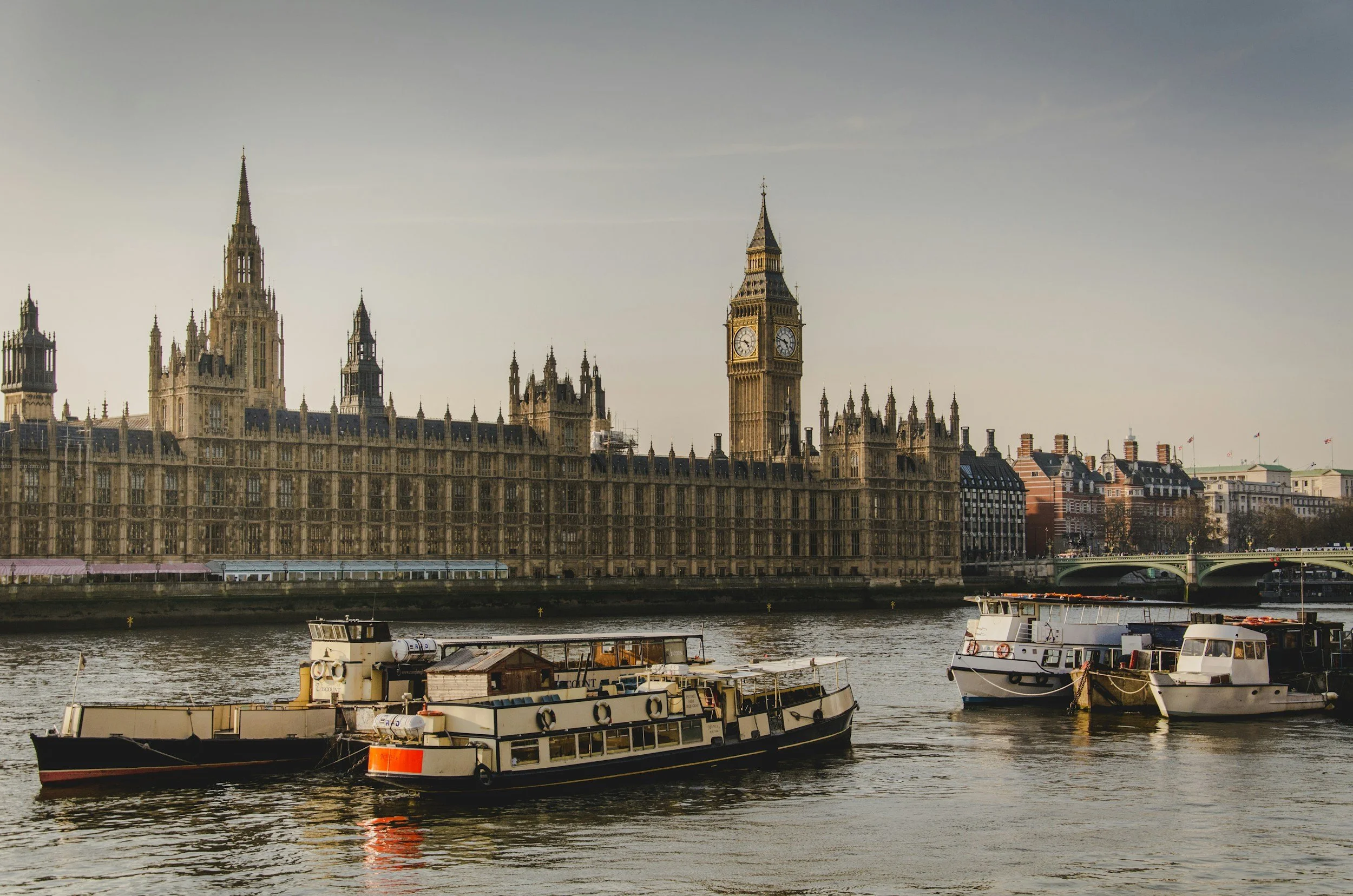
If someone asks, “Where is London?”, this is usually the image in their head Big Ben, the Houses of Parliament, the river glinting at sunset.
To clear up one common mix-up: Big Ben is the bell, not the tower.
The tower is called Elizabeth Tower. The area is compact, beautiful and easily reached via Westminster Station. When you exit the station, the tower is right above you one of the most satisfying first greetings of any world city.
The London Eye: directly across the river from Big Ben
This is where many visitors get surprised. The London Eye one of the world’s most recognisable observation wheels isn’t beside Tower Bridge or tucked into a corner. It’s right across the river from Big Ben, sitting on the South Bank.
From Westminster Bridge, look to your left and you’ll see the wheel rising between the sky and the Thames.
The Eye turns slowly one full rotation takes about 30 minutes and the cabins stay upright using a clever engineering system. It’s one of London’s most visited attractions, especially at sunset.
Nearest station: Waterloo, though Westminster Bridge is an equally beautiful approach.
Tower Bridge: the fairytale bridge that everyone mixes up
Almost every visitor types “Where London Bridge is located” into Google, and the internet has to gently reply: that famous bridge with the towers isn’t London Bridge it’s Tower Bridge.
Tower Bridge stands beside the Tower of London and was designed in the 1890s to look medieval even though it’s Victorian engineering. The bascules (the lifting sections) still open for tall ships. If you’re standing anywhere near the river and see two castle-like towers, that’s the one.
Nearest station: Tower Hill.
A Fun Twist: The “London Bridge” That Lives in America
Here’s a little fact most first-timers never hear: the famous bridge that was shipped to the United States wasn’t Tower Bridge at all it was London Bridge. The old 1830s London Bridge was dismantled and sold to an American entrepreneur in the 1960s, then rebuilt stone-by-stone in Lake Havasu City, Arizona. Meanwhile, the real Tower Bridge the fairytale Gothic one with the twin towers has never moved from its home beside the Tower of London. So if someone tells you “the real Tower Bridge is in the USA,” now you know: it’s London Bridge that made the journey across the Atlantic, not the iconic Tower Bridge.
London Bridge: the simple, modern one
London Bridge is the more modest bridge upriver from Tower Bridge. It connects the City of London to Southwark and sits right next to London Bridge Station, one of the most useful transit hubs in the city.
Fun fact:
The real historical London Bridge the medieval one covered in shops stood on this spot, but the modern version is a clean, simple road bridge.
Tower of London: London’s medieval fortress
If you’re wondering “Where is the Tower of London?”, it’s right on the river’s north bank, next to Tower Bridge. Built by William the Conqueror in the 11th century, it held prisoners, guarded the Crown Jewels and witnessed centuries of drama.
Nearest station: Tower Hill, though walking from London Bridge gives you stunning river views.
If you want to stay close to major historic sites, book a night at an LONDON HOTEL so you can walk to the Tower of London before the crowds arrive.
Zooming out again: how London fits into the world
It’s easy to forget that London sits at the crossroads of global travel. Whether you arrive via Heathrow, Gatwick, Luton or Stansted, the city pulls everything inward through trains, express lines and the Underground.
London’s global position in Europe, in the UK, and on the Thames is what made it a capital of trade, culture and politics for centuries. Today, that same geography is what makes it so easy to explore.
Why knowing the layout changes your entire trip
Once you understand where London is, where its landmarks sit, and how the river centres everything, the city stops feeling big and starts feeling walkable. In one afternoon you can:
Stand beneath Big Ben
Walk across Westminster Bridge
Ride the London Eye
Take the Tube to Tower Hill
Walk across Tower Bridge
Visit the Tower of London
Stroll to London Bridge and end with dinner in Borough Market
The city becomes a connected thread rather than a set of isolated sights.
Final thought London becomes magical once you understand its map
The moment you feel London’s layout the river, the bridges, the north-south divide, and the natural landmarks everything becomes easier, calmer and more enjoyable.
If you want a personalised walking route, a custom map for your first day, or a clean one-day plan covering all these landmarks, I can build that for you.
And if you want daily London tips, seasonal updates, and the kind of friendly local advice that makes travel feel easier, follow @london.yaar on Instagram it’s like having a London friend in your pocket.