When Do the Clocks Change in London 2026? A Beginner’s Guide
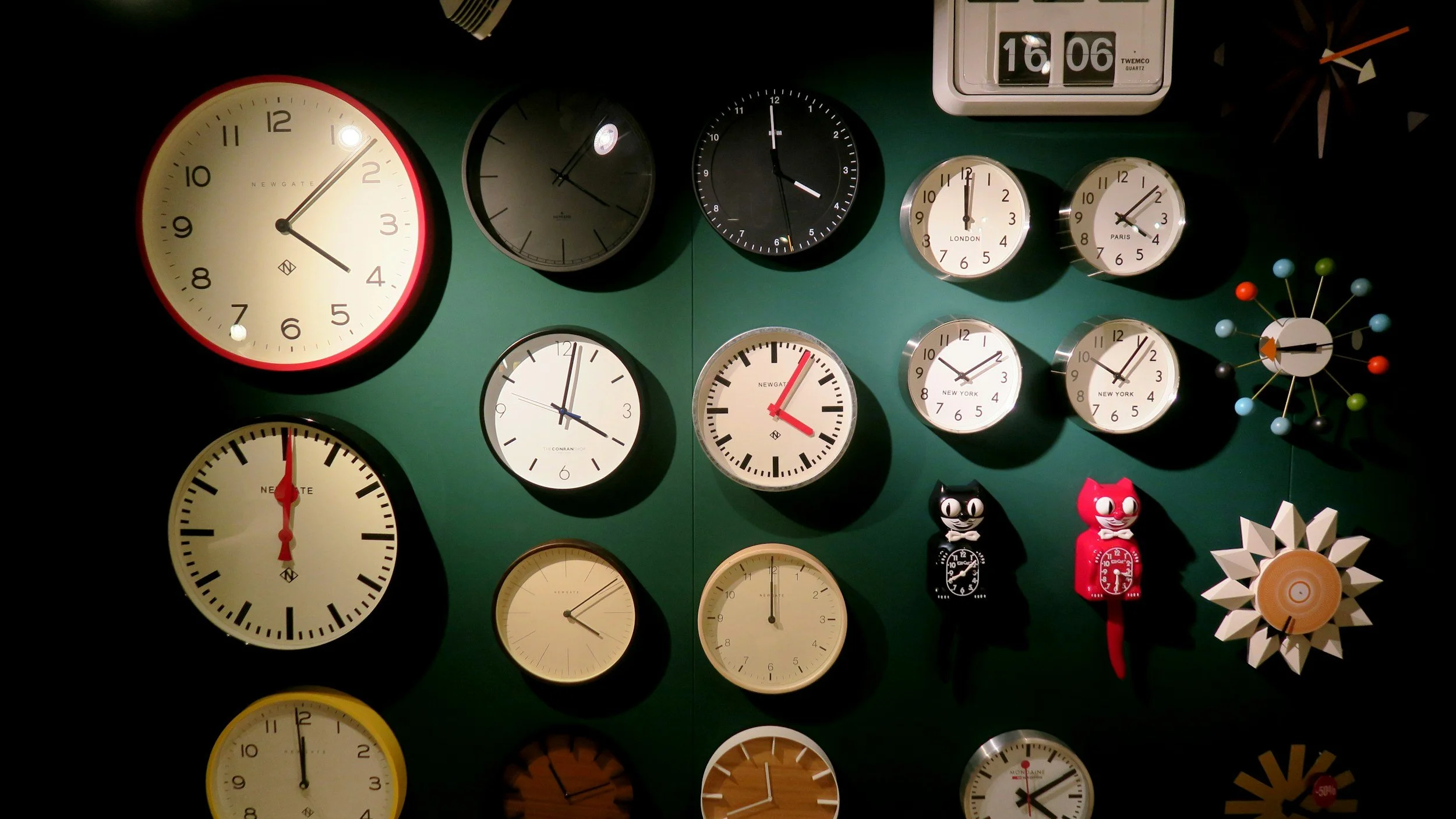
If you're visiting London in late October, there is one small thing about the city that can catch you by surprise: the clocks change.
In 2026, the clocks in London will go back on Sunday, 25 October.
At 2:00am British Summer Time (BST), the clocks go back one hour to 1:00am Greenwich Mean Time (GMT). This means the hour between 1am and 2am happens twice, giving you an extra hour overnight.
It sounds complicated, but it really isn't.
For most visitors, the clock change won't cause any major problems. Your phone will usually update automatically, attractions will continue operating normally and London will still be London.
The biggest difference you'll notice is actually the daylight.
So, if you're travelling to London around this date, here's everything a beginner needs to know about the 2026 UK clock change, including exactly when it happens, why the clocks change, what happens to your phone, how it affects your London itinerary and what you should know about travelling that weekend.
When Do the Clocks Go Back in London in 2026?
The clocks go back on:
Sunday, 25 October 2026
The exact change happens at:
2:00am BST → 1:00am GMT
So when the clock reaches 2am, it moves backwards to 1am.
That means the 1am hour happens twice.
The UK follows a regular pattern: clocks go forward by one hour at 1am on the last Sunday in March and back by one hour at 2am on the last Sunday in October. GOV.UK confirms that the 2026 autumn change is on 25 October.
After the October change, London is back on Greenwich Mean Time (GMT).
The simple version
Before the change:
1:59am BST → 1:00am GMT
After the change:
London is on GMT.
So the 1am hour effectively happens twice.
That's why the night is one hour longer.
Do the Clocks Go Forward or Back?
In October, they go back.
An easy way to remember it is:
Spring forward, autumn back.
In March, London moves from GMT to BST and loses an hour overnight.
In October, London moves from BST back to GMT and gains an hour overnight.
GOV.UK confirms that BST is the period when UK clocks are one hour ahead, while GMT is used after the clocks return in October.
So if you're trying to remember what happens in London in October:
The clocks go back.
Do You Get an Extra Hour of Sleep?
Yes technically.
Because 2am becomes 1am, there is an additional hour during the night.
If you're asleep when the change happens, you can potentially get an extra hour in bed.
Royal Museums Greenwich also describes the October clock change as giving people an extra hour in bed.
Of course, your body doesn't necessarily care what the clock says, so you might still wake up at your normal biological time.
But according to the clock, you've gained an hour.
Why Do the Clocks Change in the UK?
The UK uses two different time standards during the year.
During the summer, London operates on British Summer Time (BST), which is one hour ahead of GMT.
During the winter, London returns to Greenwich Mean Time (GMT).
The clock change is part of the UK's daylight-saving system. Moving the clocks forward in spring gives the country lighter evenings during the summer, while returning to GMT in autumn means daylight is shifted back towards the morning.
The modern British Summer Time system was introduced in 1916, although the idea of changing the clocks had been discussed earlier. Visit London notes that William Willett proposed the idea in 1907.
What Changes in London After 25 October?
The most noticeable change isn't actually the clock.
It's the daylight.
After the clocks go back, London gets dark earlier in the evening according to the clock.
That means an afternoon walk that previously ended in daylight can suddenly become an evening walk.
For visitors, this is probably the biggest practical difference.
You might leave an attraction at 4:30pm and find that it feels much closer to evening than it did earlier in October.
But there is a trade-off.
The mornings become lighter earlier according to the clock.
So London effectively gets:
Earlier daylight in the morning + earlier darkness in the evening.
Does It Get Dark Earlier in London?
Yes.
After the clock change, sunset happens at an earlier clock time.
This can make a surprisingly big difference to a London trip.
If you're planning to explore:
London's parks
riverside walks
viewpoints
outdoor markets
neighbourhoods
historic streets
outdoor photography locations
you'll have less evening daylight to work with.
But there is also a positive side.
London becomes atmospheric much earlier.
Streetlights come on sooner, pubs start feeling cosy earlier and London's landmarks begin lighting up while there's still plenty of time left for dinner or an evening out.
If you're a photographer, this can actually be a great time of year to explore London.
Does Sunrise Happen Earlier Too?
Yes.
The earlier sunset is balanced by an earlier sunrise according to the clock.
This is one reason the change can feel strange for the first few days.
You might wake up and notice that the morning feels brighter earlier, while the evening suddenly feels much darker.
The clock hasn't changed the amount of sunlight produced by the sun. It has changed the clock time at which we experience that daylight.
What Time Is London On After the Clock Change?
After 25 October 2026, London will be on:
Greenwich Mean Time (GMT)
Before the change, London is on:
British Summer Time (BST)
So:
Before 25 October: BST — UTC+1
After 25 October: GMT — UTC+0
This can be important if you're travelling internationally because the time difference between London and your home country may change.
Will My Phone Change Automatically?
For most modern phones, tablets, computers and smartwatches, yes.
If your device has automatic date, time and time-zone settings switched on, it should update automatically when the UK changes from BST to GMT.
You generally don't need to wake up at 2am and change your phone manually.
However, it's worth checking older or non-connected devices.
These can include:
Traditional alarm clocks
Some watches
Car clocks
Older digital clocks
Certain kitchen appliances
Some heating timers
If a device doesn't update automatically, remember:
October = move the clock back one hour.
A simple option is to check your manual clocks before going to bed on Saturday night.
What About Big Ben?
This is one of the more interesting parts of London's clock-change story.
Big Ben is actually the name of the Great Bell inside the Elizabeth Tower. The clock itself is officially the Great Clock of Westminster.
The Great Clock is adjusted when the UK's time changes.
Visit London explains that the Palace of Westminster Clockmakers carefully adjust the Great Clock, along with around 2,000 other clocks throughout Westminster, during the time-change weekend.
So yes, London's famous clock tower changes with the rest of the country.
And there is an even bigger connection between London and time.
Greenwich Mean Time gets its name from Greenwich.
At the Royal Observatory Greenwich, you can visit the Prime Meridian and explore the history of timekeeping.
If you're interested in why London has such a strong connection with time, Greenwich is one of the best places in the city to explore it.
What Does the Clock Change Mean for Tourists?
If you're visiting London around 25 October, don't panic.
Your entire itinerary doesn't suddenly need to change.
Museums, attractions, shops, restaurants and London's transport network don't stop operating because the clocks go back.
But daylight changes, and that's worth planning around.
For example, if you have planned:
10am - Greenwich Park
1pm - Tower of London
4pm - South Bank
6pm - riverside walk
the final part of that itinerary will be much darker after the clock change than it would have been earlier in October.
So if you want photographs in daylight or a long outdoor walk, consider doing those activities earlier.
What About London Public Transport?
For most visitors travelling during the daytime, there isn't much to worry about.
The clock change doesn't mean you need a completely different approach to using the Tube, buses or trains.
However, the actual change happens during the early hours of Sunday morning, when the 1am hour occurs twice.
So if you're travelling very late on Saturday night or in the early hours of Sunday, pay extra attention to the time shown by your journey planner and transport operator.
For normal daytime sightseeing on Sunday, the change should be almost invisible.
What If I Have a Flight on 25 October?
This is one situation where you should be particularly careful.
If you're flying into or out of London around the clock-change weekend, check your airline booking and flight information before travelling.
Your flight ticket will use the relevant local time, but you should still follow the airline's stated check-in and arrival requirements.
For example, if your airline tells you to arrive three hours before your international flight, the clock change does not mean you can arrive an hour later.
The clock has changed.
Your airline's deadline hasn't.
What If I Have a Train or Tour Booked?
The same basic rule applies.
If you have a train, coach, airport transfer, tour or timed attraction booked on Sunday 25 October, check the booking and any travel updates before setting off.
This is especially sensible if your journey is scheduled during the early morning when the clocks actually change.
For daytime bookings, there should be little to worry about.
Is 25 October a Good Day to Explore London?
Absolutely.
The clock change shouldn't put you off visiting London.
In fact, late October can be a fantastic time to explore the city.
Halloween events are taking place, autumn is in full swing and London's transition towards the Christmas season is beginning.
The clock change simply means you'll experience London's evening atmosphere earlier.
You can spend the morning sightseeing, have lunch somewhere cosy, explore a museum or gallery in the afternoon and then enjoy London's illuminated streets once darkness arrives.
What Should You Do on the Weekend of the Clock Change?
If you're visiting London that weekend, you don't need to make the clock change the main event.
Instead, use it as a reminder to plan your day around daylight.
Saturday 24 October
Make the most of the final Saturday under BST.
This is a good day for:
Long walks
Greenwich
Parks
Outdoor photography
Exploring neighbourhoods
Day trips
Riverside walks
Then enjoy dinner or drinks in central London.
Sunday 25 October
The clocks have gone back, so take advantage of the earlier evening atmosphere.
Have a relaxed breakfast, visit a museum or gallery, explore a market and then enjoy London's illuminated streets.
If you're interested in Halloween, you're also right in the middle of London's Halloween season.
What Should You Do If You Forget to Change Your Clock?
Don't worry.
If your phone updates automatically, you probably won't notice the change.
For a manual clock, simply move it back one hour.
For example:
2:00am → 1:00am
A simple trick is to change manual clocks before going to bed on Saturday night.
That way, everything is already correct when you wake up Sunday morning.
What About People Working Overnight?
The clock change can be slightly different for people working overnight.
Because the period between 1am and 2am occurs twice, someone working through the change could effectively be working an additional hour.
Royal Museums Greenwich notes that night workers should check their contracts and discuss the arrangements with their employer.
So if you're scheduled to work overnight on 24–25 October, don't assume how your shift will be counted.
Check with your employer.
Does the Clock Change Affect London Hotels?
For most hotel guests, no.
Your hotel reception won't suddenly close because the clocks change.
If you're staying in London that weekend, the main thing to remember is simply that the local time changes overnight.
If you have an early breakfast, airport transfer or tour on Sunday morning, make sure your phone and alarm are using the correct automatic time settings.
If you're staying in a hotel with an old-fashioned bedside clock, it's also worth checking whether it updates automatically.
What About Restaurants and Attractions?
Normal daytime opening hours aren't automatically shortened because of the clock change.
However, always check the attraction or restaurant's own opening information if you have a specific booking.
The clock change is not a substitute for checking your reservation or ticket.
This is particularly important for anything taking place very early on Sunday morning.
What Is the Next Clock Change After October 2026?
You won't have to wait until autumn 2027 for the next change.
The clocks will go forward again on Sunday, 28 March 2027.
At that point, the UK will move from GMT back to BST.
The pattern is:
25 October 2026 - clocks go back
28 March 2027 - clocks go forward
31 October 2027 - clocks go back
These dates are listed by GOV.UK.
The Easy Way to Remember London's Clock Change
If you only remember three things, remember these:
1. October = clocks go back
In 2026, that's Sunday 25 October.
2. 2am becomes 1am
The exact change is:
2:00am BST → 1:00am GMT
3. You gain an hour
The night is effectively one hour longer.
Afterwards, London has earlier sunsets and earlier sunrises according to the clock.
So, When Do the Clocks Change in London in 2026?
If you're travelling to London this October, put this date in your calendar:
Sunday, 25 October 2026.
At 2:00am BST, the clocks go back to 1:00am GMT.
London moves from British Summer Time to Greenwich Mean Time, giving most people an extra hour overnight.
For visitors, the biggest practical difference is the earlier darkness in the evening.
So if you're planning a London trip around this date, don't let the clock change worry you.
Check that your devices are set to update automatically, double-check any very early travel arrangements and plan outdoor activities around the shorter evenings.
Then enjoy one of London's most atmospheric times of year.
Autumn is here, Halloween is everywhere, the evenings are getting cosier and before long, London's Christmas lights will begin switching on across the city.
Planning your next London day out? Discover more neighbourhood guides, hidden gems, food spots and things to do on LondonYaar.com.
Follow @rohan.londonyaar for more London places, stories and things worth knowing before you visit.