Why London Never Fully Rebuilds (And Why That Matters)
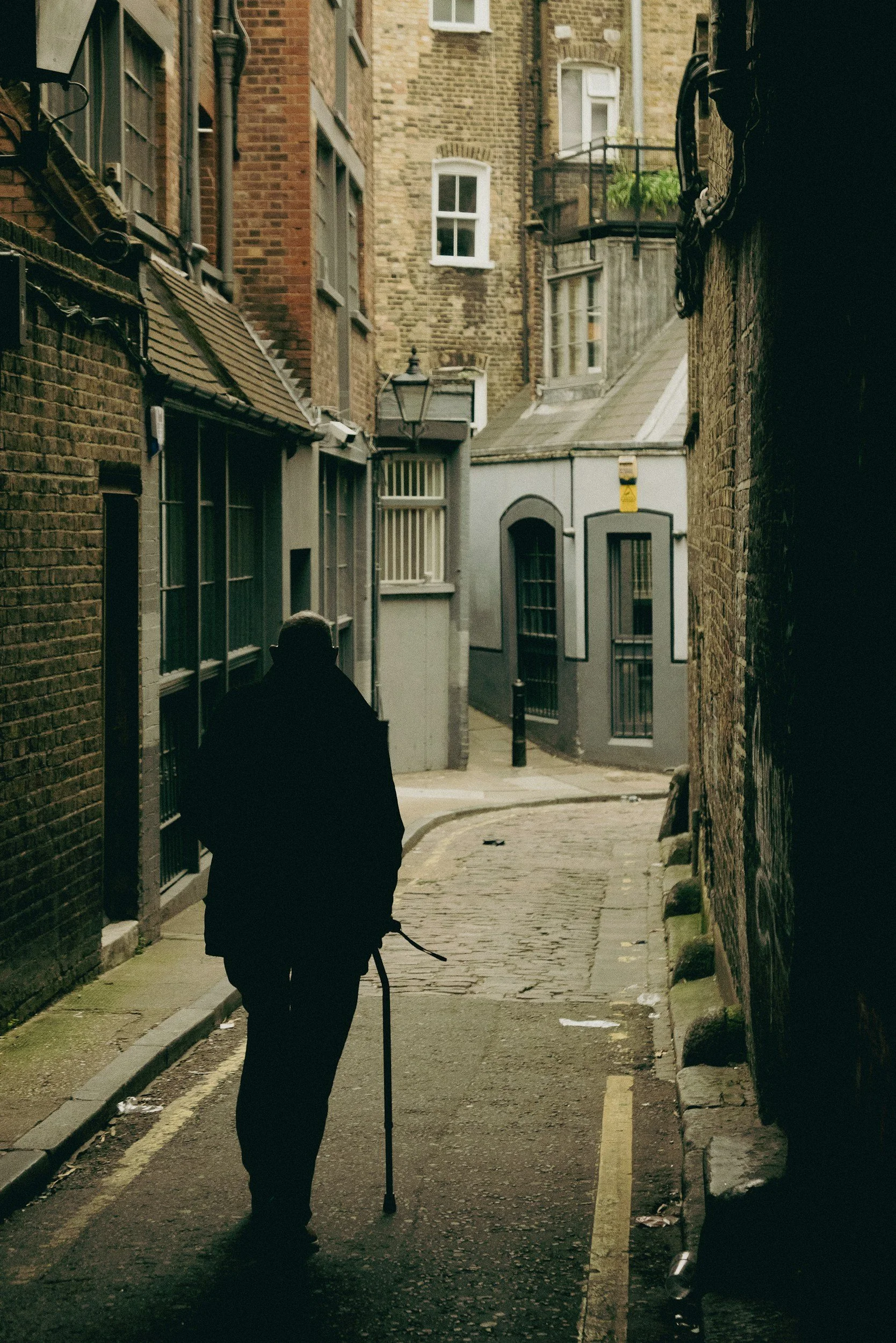
London has burned, flooded, bombed, and been shaken by centuries of change and yet it has never started again from scratch.
That’s not an accident. And it’s not a failure of planning.
It’s a choice repeated quietly, decade after decade that shapes how London looks, moves, and feels today. If you’ve ever wondered why Roman walls sit next to glass towers, why medieval street layouts still exist, or why rebuilding here always feels slow and complicated, the answer lies in how London treats its past.
London doesn’t erase itself. It layers.
And once you understand that, the city starts to make sense.
The Big Question: Why Didn’t London Rebuild Like Other Cities?
Many global cities have had moments where destruction led to total reinvention.
London never took that path.
Even after disasters that could have justified a clean slate the Great Fire of 1666, the Blitz during World War II London chose continuity over replacement.
There were plans to rebuild London in a more orderly, modern way. They existed. They were debated. And they were largely rejected.
Not because London couldn’t rebuild but because rebuilding everything would have meant losing what made the city itself.
The Great Fire of 1666: The Moment London Could Have Reset
After the Great Fire destroyed much of medieval London, architects like Christopher Wren proposed radical new city plans: wide boulevards, geometric grids, orderly neighbourhoods.
On paper, it made sense.
In reality, it didn’t survive contact with London.
Property boundaries were complex. Ownership was fragmented. People wanted their land back quickly. Trade needed to restart. Legal disputes were everywhere.
So instead of starting over, London rebuilt on top of itself.
Streets followed old paths. Plots returned to original owners. The medieval layout survived with stone replacing timber.
You can still feel that decision today in areas like The City of London, where streets twist in ways that feel illogical until you realise they’re older than modern planning itself.
The Blitz: Rebuild, But Don’t Replace
World War II caused enormous damage across London. Entire neighbourhoods were flattened. Again, this could have been the moment for total redesign.
Instead, London rebuilt selectively.
Some areas saw modern housing estates. Others were restored close to their original form. Historic landmarks were repaired rather than replaced.
Why?
Because London’s identity had become tied to survival, not reinvention.
Places like St Paul’s Cathedral, famously standing amid the smoke of wartime bombing, became symbols not just of faith or architecture, but of continuity.
London chose to look forward without cutting its roots.
Planning Laws Make Full Rebuilds Nearly Impossible
Modern London doesn’t just preserve history emotionally it protects it legally.
Strict planning regulations, conservation areas, and heritage protections mean that large sections of the city cannot be demolished wholesale. Buildings are listed. Streetscapes are protected. Even sightlines matter.
This is why development in London feels slower and more complex than in many cities.
But it’s also why London retains texture.
Neighborhoods like Bloomsbury or Greenwich still feel distinct because they were never flattened into uniformity.
London Grows by Inserting, Not Replacing
Instead of wiping areas clean, London inserts new architecture into old frameworks.
Glass towers rise beside Victorian warehouses. Modern offices sit behind Georgian façades. Tube lines run under Roman roads.
This layered growth explains why London feels visually inconsistent and emotionally rich.
You don’t experience London in one era. You experience it in fragments of many.
Staying in a centrally located hotel often means sleeping inside one century while looking out at another.
Why This Makes London Harder and Better
London’s refusal to rebuild completely comes with costs.
Navigation is confusing. Infrastructure upgrades are complex. Housing development is slow. Projects take years longer than expected.
But the payoff is character.
London doesn’t feel manufactured. It feels accumulated.
Every shortcut, odd street bend, and unexpected courtyard exists because something older refused to disappear.
That’s why walking through neighbourhoods like Clerkenwell or Spitalfields feels like discovering rather than consuming a city.
The Psychological Effect: Why London Feels “Deep”
People often say London feels “deep” without being able to explain why.
This is why.
Because the city hasn’t been simplified.
History hasn’t been erased for convenience. Instead, it’s been absorbed into daily life sometimes awkwardly, sometimes beautifully.
You don’t just visit London. You navigate its memory.
How to See This for Yourself (Without Trying Too Hard)
You don’t need a history tour to feel this.
Just walk.
Start somewhere ancient. End somewhere modern. Let the transition happen naturally.
A walk from Tower of London towards the financial district tells this story in real time. So does wandering from Georgian streets into modern developments around King’s Cross.
If you’re planning travel, using a flexible transport or accommodation booking option lets you explore different layers of the city without rushing.
Why This Matters More Than Ever
In a world where cities are increasingly rebuilt for speed, branding, and efficiency, London’s resistance to total reinvention matters.
It proves that progress doesn’t require erasure.
London shows that a city can grow without forgetting who it’s been even when that makes things messier.
And that messiness is exactly what gives London its soul.
Final Thought: London Isn’t Broken It’s Remembering
London never fully rebuilds because it doesn’t believe in forgetting.
Every generation adds something. Very few remove everything.
That’s why London feels complicated, contradictory, and endlessly interesting and why once you understand it, you stop wishing it were simpler.
For more thoughtful stories about how London actually works beyond lists and hype and explore Londonyaar.com. I’ll keep sharing the layers that make this city impossible to replicate.