How London Became One of the Most International Cities in the World
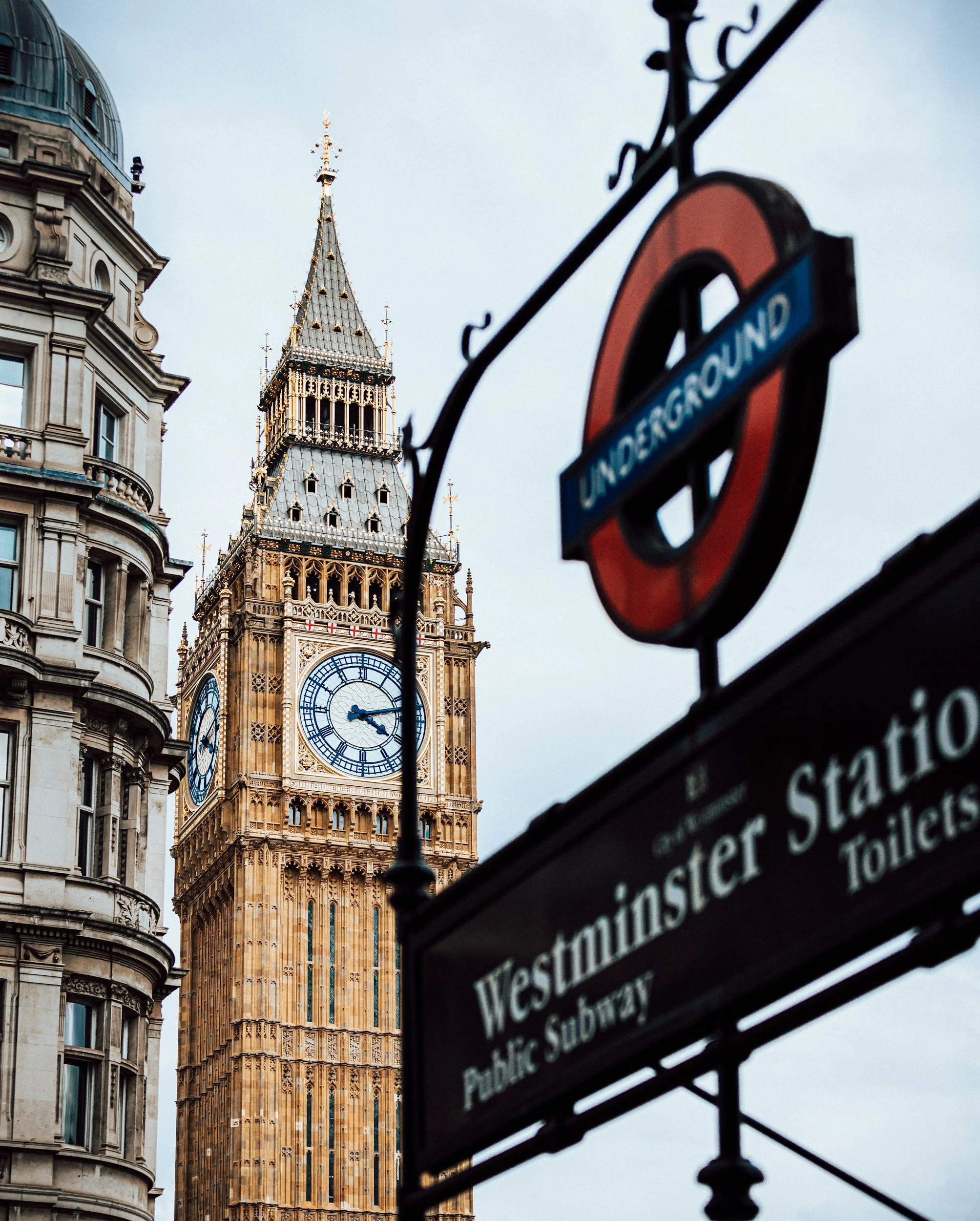
London didn’t wake up one day and decide to be international.
It became global slowly, unevenly, and sometimes accidentally through trade, empire, migration, refuge, work, and opportunity. The city didn’t just attract people from around the world; it learned how to live with them, adapt to them, and eventually depend on them.
That’s why London’s international character doesn’t feel curated. It feels lived-in. Layered. Ordinary.
And that’s what makes it different from cities that brand themselves as global.
It Started With Geography, Not Global Ambition
London’s international story begins with its position.
Sitting on the River Thames, London had something few early cities possessed: easy access to both inland Britain and the wider world. Long before skyscrapers and financial districts, London was already a port trading goods, ideas, and people.
The river connected London to Europe, then to the Atlantic, and eventually to global trade routes. That early openness set the tone: London grew outward because it could.
Even today, walking near the Thames in areas like Greenwich or Wapping, you’re tracing the edges of a city shaped by arrival.
Empire Brought the World to London For Better and Worse
The British Empire played a major role in shaping London’s international makeup.
As the administrative heart of a vast empire, London became a centre where people from across Asia, Africa, the Caribbean, and beyond were drawn sometimes willingly, sometimes under coercion, sometimes out of necessity.
This wasn’t just about governance. It was about labor, education, military service, and trade. People came to London to work, study, advocate, and survive.
By the early 20th century, London already had established communities from across the empire. These connections weren’t temporary they became permanent.
The city’s global identity grew out of movement, not marketing.
Refuge, Not Just Opportunity, Shaped the City
One of the most overlooked parts of London’s international history is refuge.
London has repeatedly absorbed people fleeing persecution, war, and instability from Huguenots in the 17th century to Jewish communities escaping European pogroms, to post-war displacement after World War II.
Neighbourhoods changed as a result. Skills transferred. Industries formed. Entire streets tell these stories quietly.
Areas like Spitalfields still reflect these layers silk weavers, traders, tailors, markets — all built on successive waves of arrival.
London didn’t just accept newcomers. It reshaped itself around them.
Post-War Migration Made London Truly Multicultural
The modern international London most people recognise today took shape after World War II.
Britain needed workers to rebuild. London needed people. Migration from the Caribbean, South Asia, Africa, and later Eastern Europe accelerated.
This wasn’t abstract diversity. It was practical.
Buses needed drivers. Hospitals needed staff. Factories needed labour. London’s infrastructure relied on people arriving from elsewhere and still does.
Neighbourhoods like Southall, Brixton, and Tooting didn’t become international because it was fashionable. They became international because people built lives there.
London Learned to Function With Difference
What sets London apart isn’t just how many cultures exist here it’s how the city learned to function with them.
Different languages, religions, food cultures, and social norms didn’t stay contained. They mixed into everyday life.
You don’t have to seek out “international London.” You encounter it by default:
On buses
In schools
In offices
In hospitals
In markets
London’s systems adapted. Public services adjusted. Social behaviour softened around difference.
That’s why internationalism in London feels normal rather than staged.
The Role of Education, Work, and Global Careers
London also became international because it positioned itself as a place to build a future, not just pass through.
Universities, global companies, finance, media, arts, and tech all pulled people in. Careers overlapped. Networks formed.
For many, London wasn’t just somewhere to visit it was somewhere to become something.
Staying near academic or professional hubs through centrally located accommodation often reveals how global daily life feels here meetings in multiple languages, cafés filled with students from everywhere, conversations that cross continents.
Neighbourhoods Became Cultural Anchors
London’s internationalism isn’t centralised. It’s distributed.
Different neighbourhoods became anchors for different communities not through planning, but through settlement patterns.
Food followed people. Shops followed demand. Religious spaces followed need. Culture followed memory.
That’s why London doesn’t have one “international district.” It has many overlapping, evolving, and porous.
Walking from Camden into Kentish Town or from Whitechapel into the City tells different global stories within minutes.
Transport Helped the City Absorb the World
London’s transport system played a quiet but crucial role.
The Underground, railways, buses, and later international airports allowed communities to spread rather than cluster tightly. People could live far from where they worked or studied.
This prevented segregation becoming geography-locked and allowed international London to feel integrated rather than isolated.
Arriving via Heathrow Airport today, you land in one of the world’s most international entry points not just in numbers, but in onward movement.
Planning travel through your preferred flight or rail booking service shows how deeply London connects outward as much as inward.
Why London’s Internationalism Feels Different
Many cities are international in population.
London is international in daily life.
People don’t just coexist they interact. Schools, workplaces, and public spaces force mixing. Cultural exchange happens in queues, offices, and buses, not just festivals.
This isn’t always smooth. There are tensions. There are inequalities. But the city doesn’t pretend difference doesn’t exist it absorbs it.
That’s why London feels complex rather than polished.
Why This Matters Today
London’s global character isn’t just a point of pride it’s a foundation.
The city’s economy, culture, creativity, and resilience depend on its international nature. When London struggles, it does so as a global city. When it thrives, it does so through connection.
Understanding this helps first-time visitors and new residents see London clearly not as a theme park of cultures, but as a working, living, international organism.
How to Experience This Side of London Yourself
You don’t need a cultural itinerary.
Just move through the city attentively.
Take public transport. Eat locally. Walk between neighbourhoods. Stay longer in one area instead of ticking off landmarks.
Choosing accommodation that lets you live rather than rush helps you experience London’s internationalism naturally without effort or performance.
Final Thought: London Became International by Letting People Stay
London didn’t become international by chasing the world.
It became international by letting the world stay.
That decision repeated over centuries shaped the city you see today. Messy. Diverse. Contradictory. Deeply human.
For more thoughtful stories about how London became what it is beyond guides and lists and explore Londonyaar.com. I’ll keep sharing the city as it really is: layered, global, and quietly extraordinary.