Why Does London Have So Many Parks?
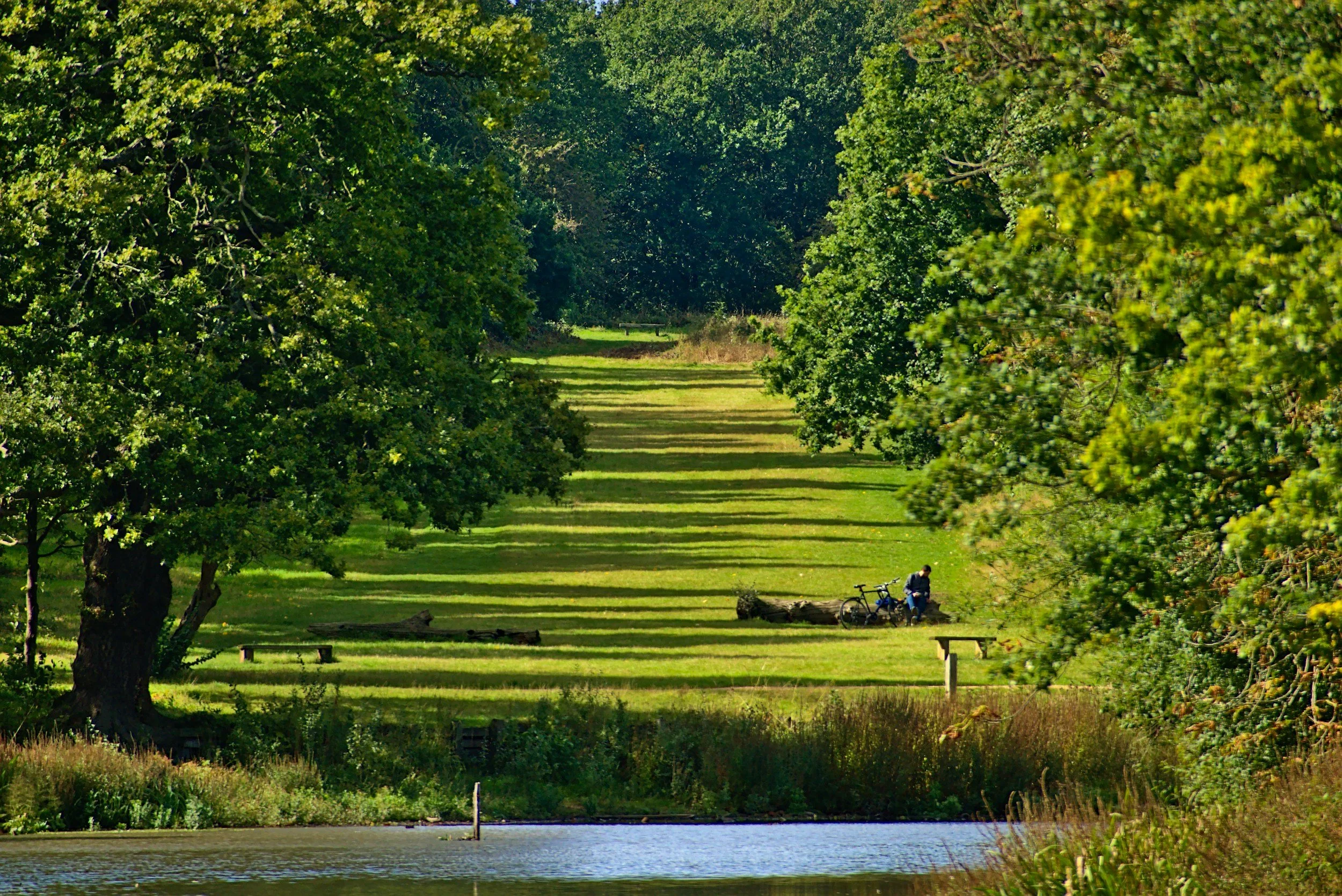
Spend a day exploring London and you'll quickly notice something unusual.
You can walk through the bustling streets of Westminster, pass iconic landmarks like Buckingham Palace, weave your way through busy shopping districts, and then suddenly find yourself surrounded by trees, lakes and open green space.
A few Tube stops later, you could be watching deer roam freely in Richmond Park or enjoying a picnic in Greenwich Park with panoramic views of the city skyline.
For one of the world's largest and busiest capitals, London feels surprisingly green.
In fact, it's one of the first things many visitors comment on. Compared to cities packed with skyscrapers and dense neighbourhoods, London seems to have an endless collection of parks, gardens and commons.
So why does London have so many parks?
The answer lies in centuries of royal history, clever urban planning and a long-standing belief that green spaces should be part of everyday life.
It All Started with the Royal Family
Many of London's most famous parks weren't originally created for the public.
They began as royal hunting grounds.
Centuries ago, monarchs owned vast areas of land around their palaces where they hunted deer, rode horses and escaped the crowded streets of the city.
Hyde Park was acquired by King Henry VIII in 1536 and used primarily as a hunting park. St James's Park was later transformed by Charles II, while Richmond Park was enclosed by Charles I in the 17th century as a deer park.
Over time, these private royal estates gradually opened to the public.
Today, these former hunting grounds have become some of London's most loved green spaces, welcoming millions of visitors every year.
The eight Royal Parks—including Hyde Park, Regent's Park, St James's Park, Green Park, Kensington Gardens, Richmond Park, Bushy Park and Greenwich Park—cover thousands of acres across the capital.
What were once exclusive spaces for royalty have become places where anyone can walk, cycle, picnic or simply relax.
London Grew Differently from Many Other Cities
Another reason London feels so green is because it didn't develop in the same way as many modern cities.
Unlike cities that expanded from a single planned centre, London grew gradually by absorbing dozens of surrounding villages and towns.
Places such as Hampstead, Greenwich, Richmond, Wimbledon and Dulwich were once separate communities surrounded by fields, woodland and open countryside.
As London expanded, many of these green areas were preserved instead of being completely built over.
That's why you'll often find large parks, village greens and open commons woven naturally into different parts of the city.
Rather than having one enormous central park, London developed hundreds of green spaces spread across its many neighbourhoods.
This gives each area its own character and ensures that nature is rarely far away.
The Victorians Believed Parks Improved City Life
The Industrial Revolution brought huge changes to London.
The population grew rapidly, factories appeared across the city and many neighbourhoods became crowded.
During the 19th century, public health became a major concern.
City planners, reformers and politicians increasingly recognised that parks weren't just beautiful—they were essential.
Green spaces provided fresh air, opportunities for exercise and places where families could escape the smoke and noise of industrial London.
As a result, many public parks were created or expanded during the Victorian era.
Parks such as Victoria Park in East London were specifically designed to give growing communities access to open space.
The idea that every Londoner should have somewhere green to enjoy became an important part of the city's development.
It's a philosophy that still shapes London today.
The Green Belt Helped Protect London's Surroundings
One of the biggest reasons London hasn't spread endlessly across southern England is the Metropolitan Green Belt.
Introduced during the 20th century, the Green Belt is a planning policy that limits urban expansion into surrounding countryside.
While not all of this land is public parkland, it has played an important role in preventing uncontrolled development and preserving open landscapes around the capital.
The Green Belt has helped maintain a clear distinction between London and many neighbouring towns while protecting farmland, woodland and natural habitats.
It's one reason why many Londoners can reach beautiful countryside within a relatively short journey from the city centre.
More Than Just Parks
When people think of London's green spaces, Hyde Park or Regent's Park usually come to mind.
But London's greenery goes far beyond its famous parks.
The capital is home to:
Ancient woodlands
Nature reserves
Wetlands
Canal paths
Village greens
Community gardens
Heathland
Large commons such as Clapham Common and Wandsworth Common
Even many residential streets are lined with mature trees that have been protected for decades.
Together, these spaces create a city where nature is part of everyday life rather than something reserved for weekends.
Wildlife Thrives in the Capital
One of the biggest surprises for many visitors is how much wildlife exists within London.
Richmond Park is famous for its herds of red and fallow deer, descendants of those once kept for royal hunting.
Elsewhere, you might spot:
Foxes
Herons
Parakeets
Kingfishers
Hedgehogs
Bats
Numerous species of ducks and waterbirds
Places such as the London Wetland Centre, Hampstead Heath and Walthamstow Wetlands provide important habitats for wildlife while remaining easily accessible from central London.
It's a reminder that even one of the world's busiest cities can support remarkable biodiversity.
Parks Are Part of Everyday London Life
Perhaps the biggest difference between London and many other cities isn't simply the number of parks.
It's how people use them.
On a sunny day, Hyde Park fills with cyclists, runners and families.
Office workers eat lunch on the grass in St James's Park.
Friends gather for picnics in Regent's Park.
Locals swim in the ponds at Hampstead Heath.
Cricket matches, tennis games, yoga classes, outdoor theatre performances and community festivals all take place in London's green spaces throughout the year.
These parks aren't tourist attractions first.
They're living parts of the city.
For many Londoners, spending time in a park is simply part of daily life.
A Different Kind of Capital City
Compared with many major world capitals, London feels less dominated by skyscrapers and high-density development.
Instead, the city balances historic buildings, residential neighbourhoods and extensive green spaces in a way that's quite distinctive.
This doesn't mean London has more parkland than every other city in the world, but it does mean visitors often experience nature more frequently as they move around the capital.
Whether you're walking through Kensington Gardens after visiting a museum or discovering the wild landscapes of Richmond Park, green space is never far away.
It's one of the reasons London feels both energetic and surprisingly peaceful at the same time.
Why Visitors Love London's Parks
For travellers, London's parks offer much more than a place to sit down.
They provide some of the city's best views, from the hilltops of Greenwich Park to the skyline from Primrose Hill.
They host seasonal events, open-air concerts, flower gardens, boating lakes and wildlife that many people don't expect to find in a capital city.
Best of all, most of these experiences are completely free.
You don't need a ticket to enjoy a morning walk through St James's Park, watch the pelicans by the lake, admire the roses in Regent's Park or see deer wandering through Richmond Park.
In a city where many attractions come with an entrance fee, London's parks remain some of its greatest treasures—and they're open to everyone.
Final Thoughts
London's abundance of parks isn't an accident.
It's the result of centuries of royal history, thoughtful planning and a long-standing commitment to protecting green space as the city grew.
From former hunting grounds and Victorian public parks to ancient commons and modern nature reserves, these landscapes have shaped London's identity just as much as its landmarks and famous streets.
That's why a visit to London isn't only about seeing Big Ben, Tower Bridge or Buckingham Palace.
It's also about slowing down, finding a quiet bench beneath the trees, watching life unfold around you and appreciating a side of the city that many first-time visitors don't expect.
In a world where many major cities continue to build upwards, London's parks remain a reminder that great cities don't just need impressive skylines—they also need space to breathe.
Discover More Hidden Stories About London
From fascinating history and local traditions to neighbourhood guides and unique experiences, explore more in-depth London stories on LondonYaar.com. And follow @rohan.londonyaar for more insights into the city that go beyond the usual tourist attractions.