Why Is Queueing Such a Big Deal in London?
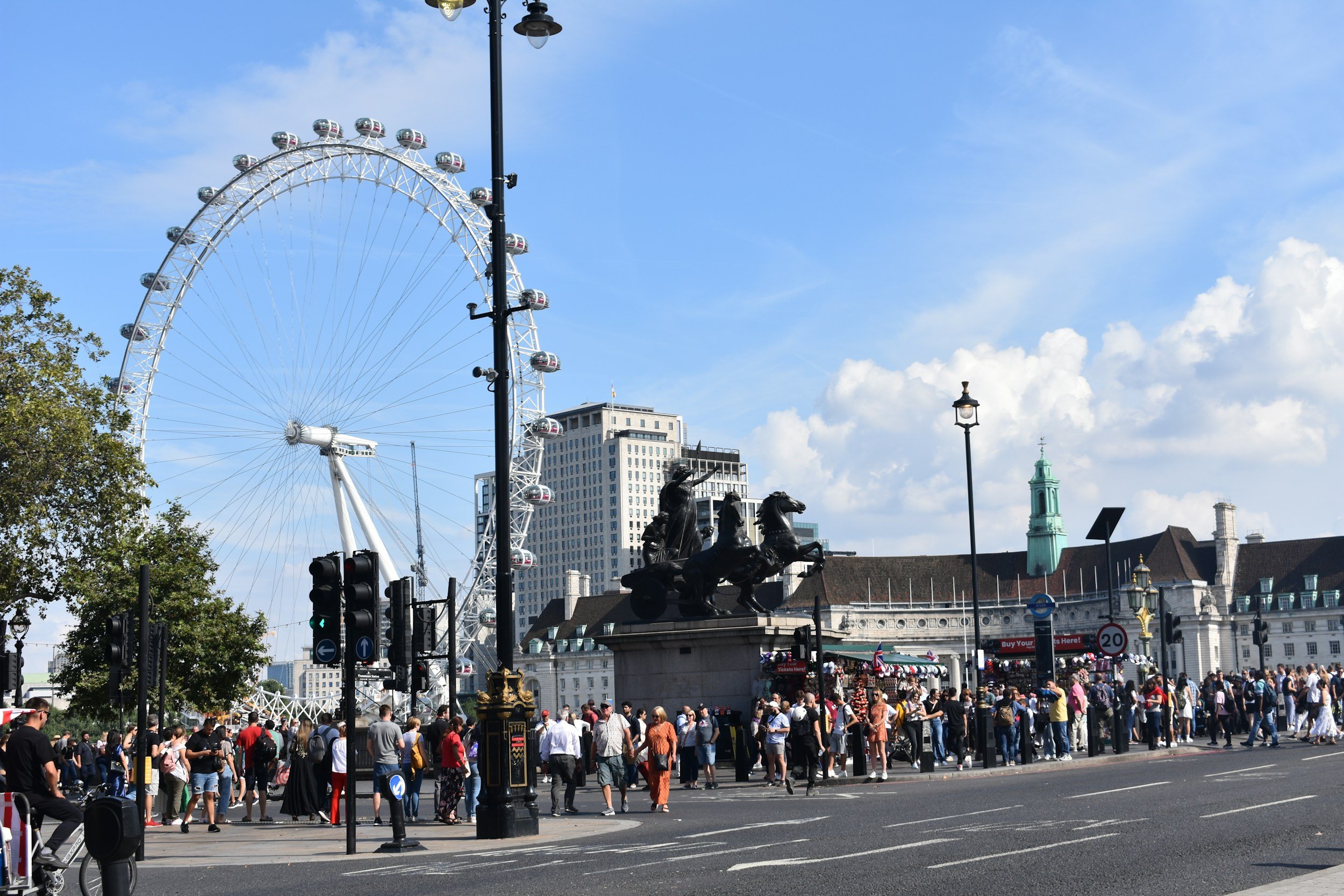
There are certain things visitors expect when they arrive in London.
Red buses.
Black cabs.
Historic landmarks.
Rain.
What many don't expect is how seriously people seem to take queueing.
It doesn't take long to notice.
People queue for coffee.
They queue for buses.
They queue for museums.
They queue for theatre tickets.
They queue for food markets.
They even queue for experiences that involve more queueing.
For many visitors, it's one of the first cultural differences they notice.
And naturally, it raises a question:
Why is queueing such a big deal in London?
The answer is interesting because it isn't actually just a London thing.
While visitors often notice it most in London due to the city's size and crowds, queueing is a habit associated with Britain as a whole. London simply happens to be one of the easiest places to see it in action.
First Things First: Do Londoners Actually Like Queueing?
Not really.
This is perhaps the biggest misconception.
People often joke that the British love standing in queues.
The truth is slightly different.
Most people don't enjoy waiting.
What many people do appreciate is the idea that queues are fair.
The principle is simple:
First come, first served.
Everyone understands the system.
Everyone knows their place.
And because everyone understands the rules, things tend to run smoothly.
The queue isn't popular because people enjoy waiting.
It's popular because it helps avoid arguments about who should go next.
Why Visitors Notice It More in London
Queueing exists throughout Britain.
However, London makes it far more visible.
The city is home to millions of people and attracts millions more visitors every year.
Whenever large numbers of people need access to the same thing, queues naturally appear.
You'll see them at:
Tube stations
Bus stops
Museums
Markets
Concert venues
Sporting events
Tourist attractions
In a busy city, queues help create order.
Without them, everyday life would be considerably more chaotic.
The History Behind Britain's Queueing Reputation
Britain's association with queueing became particularly noticeable during the twentieth century.
During both World Wars, rationing and shortages meant people frequently had to wait in orderly lines for food and supplies.
Over time, the queue became associated with ideas such as:
Fairness
Patience
Taking turns
Respect for others
Of course, modern Britain is very different from wartime Britain.
But the cultural habit remained.
Today, queueing is often seen as the simplest and fairest way to manage shared spaces.
London's Transport System Runs on Unwritten Rules
If you want to see queueing culture in action, spend a day using London's transport network.
One of the most famous examples is the Underground escalator rule:
Stand on the right.
Walk on the left.
It's not a law.
You won't find signs threatening punishment.
Yet most Londoners follow it automatically.
The same applies to many queues across the transport network.
People generally know where to stand, where doors will open and how to wait their turn.
These small habits help millions of journeys run more smoothly every day.
The Bus Stop Queue
One of the most British sights in London is the orderly bus stop queue.
Unlike some cities where people gather in loose groups, London bus stops often develop surprisingly organised lines.
Nobody officially appoints a queue manager.
Nobody hands out numbers.
Yet people somehow know who arrived first.
It's one of those small social systems that usually works remarkably well.
Wimbledon: The Queue That Became Famous
If queueing had a world championship, Wimbledon might win it.
Every summer, thousands of people join what is simply known as The Queue.
People wait sometimes for many hours and occasionally overnight for the chance to buy on-the-day tickets to the Wimbledon Championships.
What's remarkable is that the queue itself has become part of the tradition.
Visitors travel from around the world specifically to experience it.
Only in Britain could standing in line become an attraction in its own right.
Queueing at London's Attractions
Many visitors first encounter British queueing culture while sightseeing.
Whether you're visiting:
The Tower of London
Buckingham Palace
A West End theatre
Borough Market
A popular museum
you'll probably encounter a queue at some point.
The good news is that most queues move efficiently.
London has spent centuries learning how to manage large crowds.
The Unwritten Rules Every Visitor Should Know
Nobody gives tourists a formal guide to queueing.
Yet most people quickly learn the basics.
Rule 1: Join the End
Always find the back of the queue.
If you're unsure where it begins, simply ask.
Rule 2: Don't Skip Ahead
Even accidentally.
Queue jumping is widely considered rude.
Rule 3: Respect Personal Space
Stand close enough to keep the queue moving but not so close that you're invading someone's space.
Rule 4: Be Patient
Complaining won't make the queue move faster.
Most people simply accept that waiting is part of the process.
Why Queue Jumping Feels So Serious
Visitors are sometimes surprised by how strongly people react to queue jumping.
The reason isn't the lost time.
It's the perceived unfairness.
Queues work because everyone agrees to follow the same rules.
When someone skips ahead, they're effectively saying:
My time is more important than yours.
That's why queue jumping often receives disapproving looks, even if nobody says anything aloud.
Not Every Queue Is Perfect
Of course, Britain isn't a queueing utopia.
People get impatient.
Mistakes happen.
Queues occasionally become confusing.
And Londoners are just as capable of grumbling about delays as anyone else.
The difference is that most people still accept the basic principle behind the system.
It's usually the fairest way to organise a crowd.
What Queueing Says About London
One reason visitors remember London's queues is that they reveal something about how the city functions.
London is one of the busiest urban areas in Europe.
Millions of people share the same spaces every day.
The city works because people follow countless small social rules:
Standing on the correct side of an escalator
Waiting their turn
Respecting personal space
Following crowd flows
Most of these rules are unwritten.
Yet they help keep a very busy city moving.
Why Tourists Usually Adapt Quickly
The good news is that queueing is one of the easiest parts of London culture to understand.
You don't need special knowledge.
You don't need to memorise complicated customs.
The basic principle is simple:
Watch what everyone else is doing.
If people are standing in line, join the line.
If you're unsure, ask.
Most Londoners will happily point you in the right direction.
More Than Just Standing in Line
At first glance, queueing seems like a small and unimportant part of daily life.
But it tells us something interesting about British culture.
It's built around a simple idea:
Everyone gets their turn.
That's why queueing has survived for so long, even in an age of online bookings, digital tickets and mobile apps.
The technology may change.
The principle remains surprisingly popular.
Final Thoughts
Queueing may not be London's most famous attraction, but it's certainly one of its most recognisable habits.
Visitors often arrive expecting landmarks, museums and historic streets.
What they don't always expect is the quiet organisation of everyday life.
The orderly lines at bus stops.
The unwritten rules of the Underground.
The famous Wimbledon Queue.
The instinctive understanding that waiting your turn is simply how things are done.
Queueing didn't originate in London, and it certainly isn't unique to the city.
But few places make it more visible.
And once you've spent a few days in the capital, chances are you'll find yourself joining the queue without even thinking about it.
Looking for More London Culture and Local Life Guides?
From everyday habits and quirky traditions to hidden stories and fascinating local customs, discover more London insights on LondonYaar.com. And follow @rohan.londonyaar for more ways to experience London like a local.