London's Rooftop Culture Explained: Why Rooftops Become So Popular in Summer
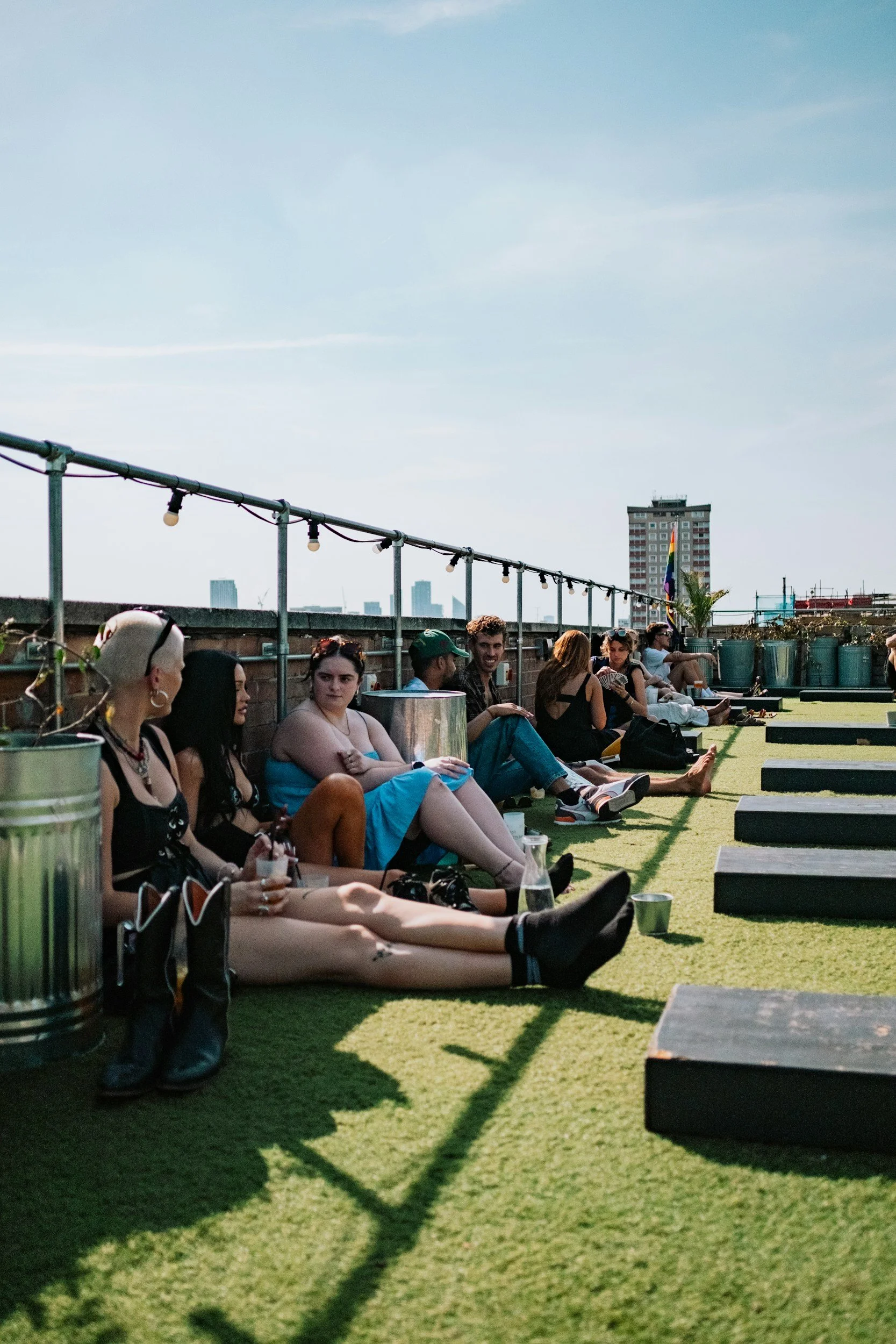
Visit London on a warm summer evening and you'll notice something interesting.
People aren't just filling the parks, pub gardens and riverside terraces.
They're heading upstairs.
Across the city, rooftop bars, rooftop gardens, terraces and viewing platforms suddenly become some of the most sought-after places to be. Reservations become harder to secure. Social media fills with skyline photographs. After-work crowds gather high above the streets, making the most of every sunny evening.
For visitors, it can seem surprising.
After all, London isn't a city famous for year-round sunshine.
So why do rooftops become such a big part of London life every summer?
The answer has a lot to do with the city itself, its architecture, its culture and the way Londoners embrace good weather whenever it appears.
What Does "Rooftop" Mean in London?
When Londoners talk about rooftops, they usually aren't referring to standing on top of a building.
Instead, they're talking about spaces that have been transformed into places where people can relax, eat, drink, socialise or simply enjoy the view.
These spaces include:
Rooftop bars
Rooftop restaurants
Rooftop gardens
Rooftop terraces
Viewing platforms
Seasonal event spaces
Some are luxurious.
Others are surprisingly casual.
Some are free to visit.
But all of them offer something special: a different perspective on London.
Why Summer Changes Everything
The biggest reason rooftops become so popular is surprisingly simple.
Good weather is never guaranteed in London.
While summers are generally pleasant, long periods of sunshine can feel precious.
As soon as temperatures rise and evenings become longer, people naturally want to spend more time outdoors.
Parks become busier.
Pub gardens fill up.
Canal-side cafés become packed.
And rooftops quickly become some of the most desirable spaces in the city.
For many Londoners, summer isn't something to take for granted it's something to enjoy while it lasts.
Londoners Don't Always Have Private Outdoor Space
This is one of the biggest reasons rooftop culture thrives.
Unlike many cities where homes commonly have large balconies, terraces or private gardens, much of London's housing stock doesn't offer significant outdoor space.
Many people live in:
Flats
Apartments
Victorian conversions
Terraced houses with limited outdoor areas
As a result, London's public outdoor spaces become incredibly important.
Parks act as shared back gardens.
Pub gardens become social hubs.
And rooftops become elevated outdoor living rooms where people can relax, meet friends and enjoy the city.
The Views Are Unlike Anywhere Else
Few cities look quite like London from above.
Part of the appeal is the contrast.
Unlike cities dominated entirely by skyscrapers, London's skyline mixes centuries of history with modern architecture.
From a rooftop, you might see:
St Paul's Cathedral
The Shard
Tower Bridge
The London Eye
Canary Wharf
Historic church spires
Victorian landmarks
Modern glass towers
The result is a skyline that constantly tells the story of London's evolution.
Every direction reveals something different.
Rooftops Feel Surprisingly Peaceful
One of the things that surprises many first-time visitors is how different London feels from above.
Even when you're in the heart of the city, the atmosphere often changes dramatically.
Traffic noise feels more distant.
The crowds seem smaller.
The pace slows down.
A rooftop can create a sense of calm that's difficult to find at street level.
That's part of the reason people keep coming back.
Famous Rooftops in London
London has no shortage of rooftop destinations.
Some of the best-known include:
Sky Garden
Perhaps the most famous of all.
Located at the top of the Walkie Talkie building, Sky Garden combines indoor gardens, viewing areas, restaurants and some of the best free views in London.
The Garden at 120
One of London's best free viewpoints.
Located near Fenchurch Street, it offers open-air views of the city skyline without requiring a ticket.
Madison
Overlooking St Paul's Cathedral, Madison has become one of London's best-known rooftop restaurants and bars.
Frank's Cafe
A seasonal rooftop venue in Peckham that has developed a loyal following thanks to its atmosphere and distinctive views across South London.
These locations demonstrate how varied London's rooftop culture can be.
It's About More Than Drinking
A common misconception is that rooftop culture revolves entirely around bars.
While rooftop bars are certainly popular, they're only part of the picture.
Many rooftop spaces now host:
Brunches
Outdoor cinema screenings
Yoga sessions
Live music events
Seasonal pop-ups
Family-friendly activities
Viewing experiences
Some visitors never order a drink at all.
They're there for the views, atmosphere and experience.
Rooftop Gardens Bring Nature Into the City
One of the more interesting developments in recent years has been the rise of rooftop gardens.
As London's population has grown, rooftops have increasingly been used to create green spaces above the streets.
The most famous example is Sky Garden, but it's far from the only one.
These spaces help soften the urban environment while giving visitors a chance to experience nature in unexpected places.
Why Visitors Love London's Rooftops
For tourists, rooftops offer something unique.
Many famous landmarks look completely different from above.
A rooftop visit can help visitors understand how London fits together geographically in a way that's difficult to appreciate at street level.
The River Thames becomes easier to follow.
Historic landmarks stand out.
Neighbourhoods reveal their character.
It's sightseeing from a completely different perspective.
When Is the Best Time to Visit?
Summer remains the busiest season.
Longer daylight hours and warmer weather make outdoor spaces particularly attractive.
However, many rooftops remain popular throughout spring and early autumn.
For photographers, sunset is often the most sought-after time.
Watching London transition from daylight into evening can be spectacular.
As the city lights begin to appear, the skyline takes on an entirely different character.
Is Rooftop Culture Unique to London?
Not entirely.
Many global cities have rooftop bars and terraces.
What makes London different is the backdrop.
Few cities combine Roman history, medieval churches, Georgian architecture, Victorian landmarks and modern skyscrapers in a single skyline.
That mixture creates views that feel distinctly London.
It's one of the reasons rooftop experiences here remain so memorable.
Why Rooftops Have Become Part of Modern London Life
Rooftops reflect something important about London itself.
The city is constantly finding new ways to use old spaces.
Rather than expanding outward, businesses have transformed previously overlooked rooftops into places where people can gather, socialise and enjoy the city.
It's an example of London's creativity and adaptability.
What was once unused space has become part of the city's culture.
Final Thoughts
London's rooftop culture isn't really about being high above the city.
It's about perspective.
It's about enjoying rare sunny days, making the most of outdoor space and seeing familiar streets from an entirely different angle.
Every summer, Londoners head upstairs for a simple reason.
The city feels different from up there.
The views are better.
The atmosphere is calmer.
And when the weather finally cooperates, there's nowhere many Londoners would rather be.
Whether you're visiting a rooftop garden, enjoying dinner on a terrace or simply admiring the skyline from a viewing platform, experiencing London from above is one of the best ways to appreciate the city.
Looking for More Summer Experiences in London?
From rooftop gardens and outdoor cinemas to hidden viewpoints, seasonal events and unique city experiences, discover more London guides on LondonYaar.com. And follow @rohan.londonyaar for more ways to experience London like a local.