How Wimbledon Became Britain's Most Prestigious Sporting Event
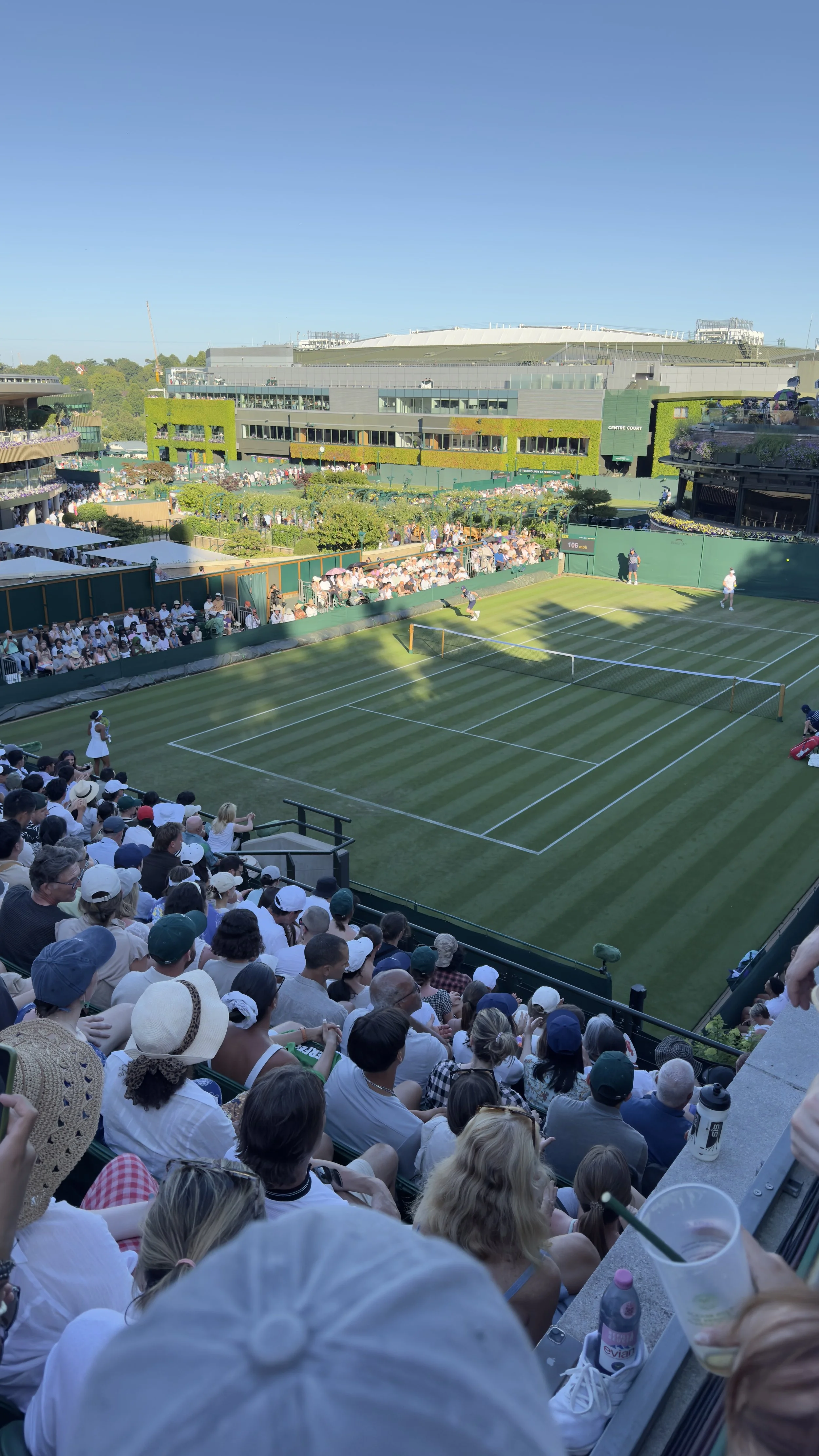
Every summer, something remarkable happens in London.
For two weeks, the world's best tennis players compete on grass courts in southwest London. Millions of people tune in from around the globe. Newspapers dedicate pages to the tournament. Television schedules revolve around Centre Court. Even people who rarely watch tennis suddenly find themselves discussing matches, strawberries and cream, and the famous Wimbledon Queue.
But Wimbledon is more than a tennis tournament.
It has become one of Britain's most prestigious sporting events a championship that occupies a unique place in the nation's culture and identity.
So how did a tennis competition that began in the Victorian era become one of the most respected sporting events in the world?
The answer lies in nearly 150 years of history, tradition and an extraordinary ability to evolve while staying true to its roots.
It Started with a Simple Tournament
The first Wimbledon Championships took place in 1877 at the All England Croquet and Lawn Tennis Club.
At the time, lawn tennis was still a relatively new sport.
Only 22 players entered the inaugural Gentlemen's Singles tournament, and around 200 spectators attended the final.
Nobody could have imagined that the event would eventually become one of the most watched sporting competitions on Earth.
Yet Wimbledon had one crucial advantage from the beginning.
It arrived at exactly the right moment.
As tennis grew in popularity across Britain and beyond, Wimbledon quickly established itself as the sport's most important championship.
Being the Oldest Matters
One reason Wimbledon commands such respect is simple.
It's the oldest tennis tournament in the world.
In sport, history matters.
Just as Augusta National is revered in golf and Lord's is known as the Home of Cricket, Wimbledon benefits from a legacy that newer tournaments simply cannot replicate.
Every champion becomes part of a story that stretches back nearly a century and a half.
That sense of continuity gives Wimbledon a prestige few sporting events can match.
The Grass Courts Make It Unique
Wimbledon is the only Grand Slam tournament still played on grass.
That distinction alone makes it special.
Grass was once the standard surface for tennis, but most tournaments eventually switched to hard courts or clay because they are easier to maintain.
Wimbledon chose a different path.
The grass courts remain one of the defining features of the Championships.
They create a unique style of tennis while preserving a visible link to the tournament's history.
In a sporting world that constantly changes, Wimbledon remains recognisably Wimbledon.
Tradition Became Part of the Brand
Many sporting events have traditions.
Few embrace them as successfully as Wimbledon.
Visitors quickly notice customs that have survived for generations:
The all-white dress code for players
The famous Wimbledon Queue
Strawberries and cream
Royal patronage
Centre Court traditions
Carefully maintained grass courts
Some might view these traditions as old-fashioned.
Yet they have become part of the tournament's appeal.
They help Wimbledon feel different from every other sporting event.
The Royal Connection Added Prestige
Wimbledon has long enjoyed close links with the British Royal Family.
Members of the Royal Family regularly attend matches, present trophies and support the Championships.
Over time, this connection helped reinforce Wimbledon's status as one of Britain's most important cultural and sporting occasions.
Few sporting events enjoy such a visible relationship with national tradition and ceremony.
Television Turned Wimbledon into a National Event
For much of its history, only a small number of people could attend Wimbledon in person.
Television changed everything.
As broadcasting expanded during the twentieth century, Wimbledon became a fixture of the British summer.
Generations grew up watching matches on television.
Children copied their favourite players.
Families gathered around the television during finals weekend.
Even those with little interest in tennis became familiar with the tournament.
Television transformed Wimbledon from a sporting event into a national tradition.
The Greatest Players Helped Build the Legend
Every era has produced Wimbledon champions who helped elevate the tournament's reputation.
Names such as:
Björn Borg
Martina Navratilova
Pete Sampras
Steffi Graf
Roger Federer
Serena Williams
Novak Djokovic
Andy Murray
are forever linked to Wimbledon.
Some of the greatest moments in tennis history have unfolded on Centre Court.
The tournament became the stage upon which sporting legends were created.
That legacy continues to attract the world's best players.
Wimbledon Became Bigger Than Tennis
This is perhaps the most important reason for its prestige.
Wimbledon is no longer simply a sporting competition.
It has become a cultural event.
People attend for many reasons:
The atmosphere
The traditions
The history
The social experience
The sense of occasion
Some visitors spend years hoping to experience Wimbledon just once.
Others return every summer.
For many, attending Wimbledon feels like participating in British history.
The Queue Reflects British Values
One of Wimbledon's most fascinating traditions is the Queue.
At most major sporting events, fans simply buy tickets online.
At Wimbledon, thousands still queue for tickets.
People camp overnight.
Strangers chat.
Rules are followed with remarkable politeness.
The Queue has become a symbol of fairness and patience.
In many ways, it reflects the values Wimbledon wants to represent.
Excellence Matters
Tradition alone would not have been enough.
Wimbledon has maintained its reputation because it consistently delivers excellence.
The courts are immaculate.
The organisation is world-class.
The facilities continue to improve.
The tournament embraces modern technology while protecting the qualities that make it unique.
This balance between innovation and tradition has been one of Wimbledon's greatest strengths.
Why Wimbledon Stands Above Other British Sporting Events
Britain has no shortage of prestigious sporting occasions.
There is:
The FA Cup Final
The Grand National
The Open Championship
Royal Ascot
Henley Royal Regatta
Lord's Test Matches
Yet Wimbledon occupies a category of its own.
It combines:
Global appeal
Historic significance
Royal connections
Sporting excellence
Unique traditions
Few events can claim all five.
That combination is what makes Wimbledon special.
More Than a Tournament
Ask people why Wimbledon matters and many will struggle to explain it fully.
It's partly about tennis.
But it's also about summer.
About tradition.
About history.
About seeing the world's best compete on the sport's most famous stage.
Wimbledon represents continuity in an increasingly fast-changing world.
Every July, the grass courts return.
The Queue forms.
Strawberries and cream are served.
Champions are crowned.
And for two weeks, Britain hosts one of the most prestigious sporting events on the planet.
Final Thoughts
Wimbledon didn't become Britain's most prestigious sporting event overnight.
Its reputation was built over nearly 150 years through history, tradition, excellence and an unwavering commitment to preserving what makes it unique.
Today, it remains the oldest tennis tournament in the world, one of Britain's most recognisable global events and a symbol of sporting excellence.
Many tournaments crown champions.
Only Wimbledon has become a national institution.
And that's why its prestige continues to endure.
Looking for More Wimbledon and London Summer Guides?
From Wimbledon traditions and hidden stories to iconic sporting events and seasonal experiences, discover more on LondonYaar.com. And follow @rohan.londonyaar for more ways to experience London like a local.