The London Buildings That Reveal the City's Past
London is a city that never stands still, yet somehow it never lets go of its past.
Glass skyscrapers rise beside medieval churches. Victorian railway stations sit a short walk from Roman ruins. Grand palaces share the skyline with modern landmarks, creating a city where nearly every street has a story to tell.
It's easy to admire London's architecture for its beauty, but the real magic lies in what these buildings reveal. They tell stories of devastating fires, royal power, industrial innovation, wartime resilience, scientific discoveries and everyday Londoners who shaped the capital over centuries.
The next time you're walking through London, don't just look at these buildings read them. Each one offers a glimpse into a different chapter of the city's remarkable history.
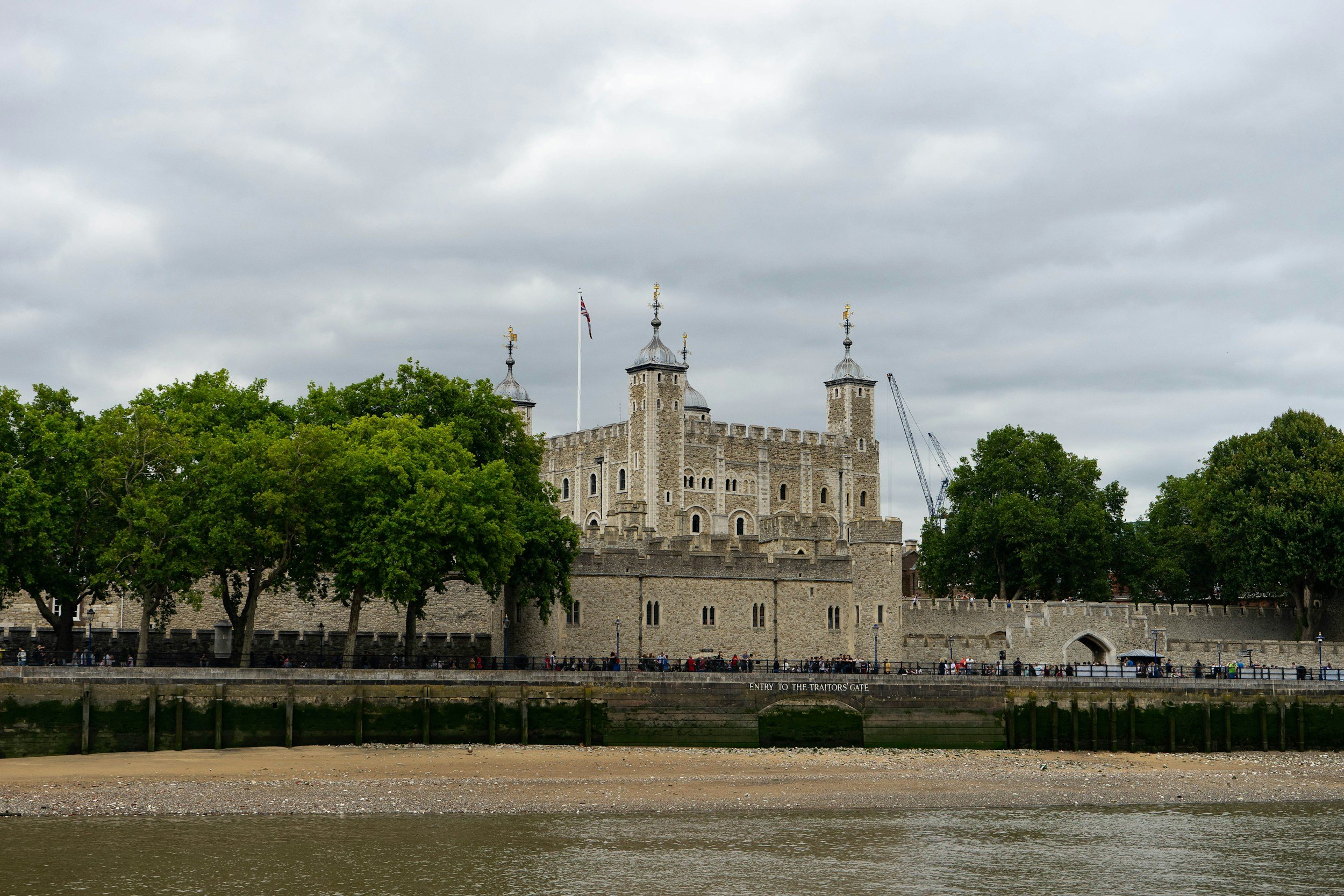
1. The Tower of London - Nearly 1,000 Years of Royal History
Few buildings capture London's past better than the Tower of London.
Founded by William the Conqueror around 1078, the White Tower was built to establish Norman authority after the conquest of England. Over the centuries, the fortress has served as a royal palace, prison, armoury, mint, menagerie and, today, the home of the Crown Jewels.
Every stone reflects a different era of British history. From famous prisoners like Anne Boleyn and Guy Fawkes to the legendary ravens said to protect the kingdom, the Tower is packed with stories that continue to fascinate visitors from around the world.
📍 Location: Tower Hill
What It Reveals: Norman conquest, royal power and nearly a millennium of London's history.
2. Westminster Abbey - Where Britain Celebrates Its Greatest Moments
For almost a thousand years, Westminster Abbey has witnessed the nation's biggest occasions.
Although parts of the abbey date back earlier, much of the current Gothic church was commissioned by King Henry III in 1245. Since 1066, nearly every English and British monarch has been crowned here, while countless royal weddings, funerals and memorial services have taken place beneath its magnificent vaulted ceilings.
Inside, you'll also find the tombs and memorials of monarchs, scientists, writers and poets, making it one of the most historically significant buildings in Britain.
📍 Location: Westminster
What It Reveals: Britain's monarchy, religion and national identity.
3. St Paul's Cathedral - London's Symbol of Resilience
The dome of St Paul's Cathedral dominates London's skyline for good reason.
Designed by Sir Christopher Wren after the Great Fire of London in 1666, the cathedral was completed in 1710 and became the masterpiece of the city's rebuilding.
Perhaps its most powerful moment came during the Blitz in World War II, when photographs of the cathedral standing above the smoke and flames became a symbol of London's determination to endure.
Today, it remains one of the city's most recognisable landmarks.
📍 Location: St Paul's
What It Reveals: The rebuilding of London after disaster and the city's resilience during wartime.
4. Hampton Court Palace - Life in the Tudor Court
If walls could talk, Hampton Court Palace would have countless stories to tell.
Originally built for Cardinal Thomas Wolsey before becoming one of King Henry VIII's favourite residences, the palace showcases both Tudor and Baroque architecture.
Visitors can explore the Great Hall, Tudor kitchens, magnificent gardens and the famous maze while learning about royal feasts, political intrigue and the lives of Henry VIII's six wives.
Few places bring Tudor England to life quite like Hampton Court.
📍 Location: East Molesey, southwest London
What It Reveals: Tudor politics, royal life and architectural evolution.
5. The Palace of Westminster - Democracy Built on History
Home to the Houses of Parliament, the Palace of Westminster is one of London's defining landmarks.
After a devastating fire destroyed much of the medieval palace in 1834, architects Charles Barry and Augustus Pugin designed the magnificent Gothic Revival building we see today.
Although the architecture appears medieval, much of it is actually Victorian, demonstrating how London has often rebuilt while respecting its past.
Big Ben, officially the Elizabeth Tower, has become one of the world's most recognised symbols of democracy.
📍 Location: Westminster
What It Reveals: Britain's political history and Victorian ambition.
6. The Monument - Remembering the Great Fire
Standing 62 metres tall near London Bridge, The Monument commemorates one of the city's most significant events—the Great Fire of London in 1666.
Designed by Sir Christopher Wren and Robert Hooke, it stands close to where the fire began in Pudding Lane.
Climbing its 311 steps rewards visitors with panoramic views, but perhaps more importantly, it offers perspective on how one disaster completely reshaped London's streets, building regulations and architecture.
📍 Location: Monument
What It Reveals: The Great Fire and the birth of modern London.
7. Leadenhall Market - Victorian London Still Alive
Although markets have stood here since Roman times, today's stunning Leadenhall Market dates largely from the 1880s.
Its ornate wrought iron roof, colourful architecture and cobbled walkways showcase Victorian craftsmanship at its finest.
Beyond shopping and dining, the market offers a glimpse into London's commercial history and has become even more famous as a filming location for the Harry Potter series.
📍 Location: Gracechurch Street, City of London
What It Reveals: Victorian commerce built upon London's Roman foundations.
8. The Old Royal Naval College - Britain's Maritime Legacy
Situated on the banks of the Thames in Greenwich, the Old Royal Naval College is one of London's architectural masterpieces.
Designed primarily by Sir Christopher Wren in the late 17th century, it began as the Royal Hospital for Seamen before later becoming a naval college.
Its spectacular Painted Hall is often called Britain's answer to the Sistine Chapel, while the surrounding buildings celebrate London's long relationship with the sea and the Royal Navy.
📍 Location: Greenwich
What It Reveals: Britain's maritime history and imperial influence.
9. Somerset House - Reinventing London's Past
Few buildings demonstrate London's ability to reinvent itself as beautifully as Somerset House.
Originally a Tudor palace before being rebuilt in the late 18th century, it has served as a royal residence, government offices, tax headquarters and now one of London's leading cultural centres.
Today, visitors enjoy art exhibitions, concerts, cafés and the famous winter ice rink, proving that historic buildings can evolve without losing their heritage.
📍 Location: Strand
What It Reveals: How historic buildings adapt to modern London.
10. Guildhall - The Heart of the City for Centuries
While tourists often head straight for St Paul's Cathedral or the Tower of London, Guildhall remains one of the City's most important historic buildings.
Dating back to the 15th century, it has served as London's civic headquarters for centuries and continues to host important ceremonial events today.
Despite suffering bomb damage during World War II, much of its magnificent medieval Great Hall survives, while beneath the complex lie the remains of London's Roman amphitheatre.
It's one of the few places where Roman, medieval and modern London exist side by side.
📍 Location: Gresham Street, City of London
What It Reveals: Nearly 2,000 years of London's civic history in one location.
11. The Royal Exchange - London's Financial Story
Standing proudly opposite the Bank of England, the Royal Exchange has been at the centre of London's commercial life since 1571.
Founded by Sir Thomas Gresham as a marketplace for merchants, it helped establish London as one of the world's leading trading and financial centres.
Although the current building dates from the 1840s after earlier versions were destroyed by fire, its grand neoclassical façade reflects the confidence of Victorian Britain's global economy.
Today, luxury boutiques occupy the building, but its history as the heart of London's financial world remains unmistakable.
📍 Location: Bank
What It Reveals: The rise of London as a global financial capital.
12. Dennis Severs' House - Everyday Georgian London Preserved
Unlike grand palaces or cathedrals, Dennis Severs' House tells the story of ordinary life.
This beautifully restored Georgian townhouse in Spitalfields is presented as though an 18th-century Huguenot silk-weaving family has just stepped out of the room. Flickering candlelight, period furniture, food on the table and even carefully recreated scents create an immersive journey through London's domestic history.
Rather than relying on traditional museum displays, it invites visitors to imagine what everyday life might have been like centuries ago.
📍 Location: Folgate Street, Spitalfields
What It Reveals: The lives of London's immigrant communities and Georgian domestic life.
Final Thoughts
London's skyline may be constantly evolving, but its greatest stories are still written in stone, brick and timber.
Every fortress, cathedral, market, palace and townhouse reveals a different chapter of the city's remarkable journey from Roman settlement and Norman conquest to Tudor splendour, Victorian innovation and modern resilience. Together, these buildings remind us that London's past isn't locked away in history books; it's woven into the streets we walk every day.
So next time you're exploring the capital, pause for a moment before rushing to the next attraction. Look up at the architecture, notice the details and imagine the generations who stood in the very same spot. You may discover that the buildings themselves are London's greatest storytellers.
Discover More of London's Hidden Stories
From historic landmarks and secret streets to fascinating museums, neighbourhood guides and unforgettable local experiences, LondonYaar.com helps you explore the city beyond the usual tourist trail.
Follow @rohan.londonyaar for more London travel tips, hidden gems and fascinating stories from across the capital.