21 Centuries of London History in 12 Incredible Places
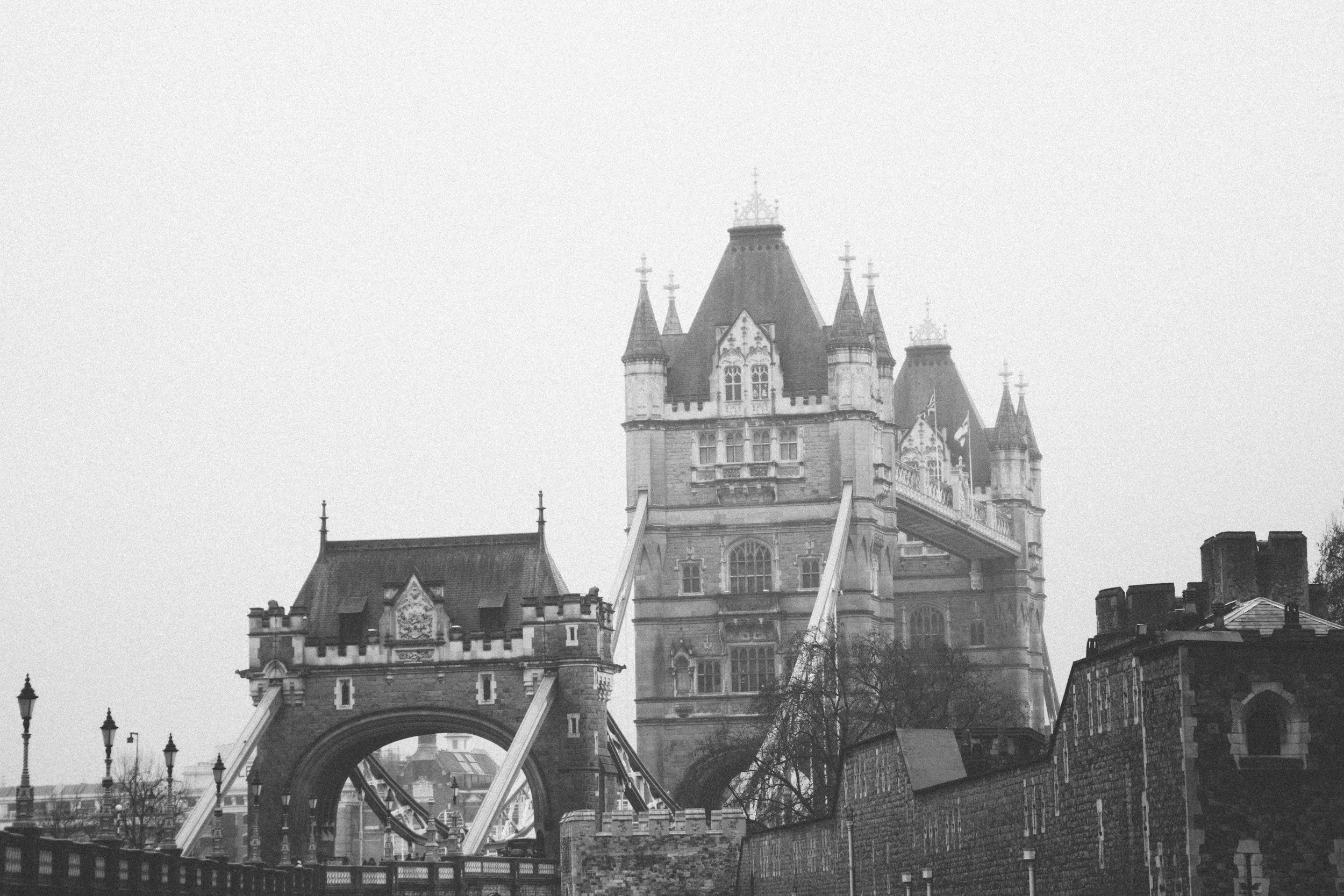
London is often described as an ancient city.
But it's easy to forget just how ancient it really is.
Long before Big Ben, Buckingham Palace or Tower Bridge existed, Romans were building temples beside the Thames. Medieval monks were praying in stone churches. Norman kings were constructing fortresses. Merchants were trading goods beneath streets that still exist today.
What makes London extraordinary isn't simply its age.
It's the fact that so much of that history has survived.
Walk through the city carefully and you'll discover Roman ruins hidden beneath office towers, medieval halls still in use after 600 years, and churches that have witnessed almost a thousand years of London's story.
In few other cities can you travel across nearly 2,000 years of history simply by walking from one neighbourhood to another.
If you want to experience London's incredible past firsthand, these 12 places offer one of the most fascinating journeys through the city's history.
1. London Mithraeum – Roman London Beneath Your Feet (c. AD 240)
Hidden beneath Bloomberg's European headquarters in the City of London lies one of the most remarkable archaeological sites in Britain.
The London Mithraeum contains the remains of a Roman temple dedicated to Mithras, a mysterious deity worshipped by soldiers and merchants across the Roman Empire.
Originally built around AD 240, the temple stood during the final centuries of Roman Britain when Londinium was a thriving commercial centre.
Today visitors descend beneath modern London into an atmospheric exhibition space where reconstructed ruins, archaeological discoveries and immersive displays bring Roman London back to life.
It's difficult to believe that nearly 1,800 years separate this underground temple from the glass towers surrounding it above ground.
And yet both belong to the same city.
2. The Roman Wall – The City's Original Defences (c. AD 190–230)
Before London became the capital of England, it was the Roman settlement of Londinium.
To protect the city, Roman engineers constructed an enormous defensive wall around the settlement during the late second and early third centuries AD.
Although much of the wall disappeared over the centuries, impressive sections still survive today near:
Tower Hill
the Barbican
Noble Street
Coopers Row
Standing beside these weathered stones offers one of London's most direct connections to the Roman Empire.
These walls were already centuries old before the Vikings arrived in Britain.
3. London Stone – One of London's Greatest Mysteries
Few objects in London inspire as much speculation as London Stone.
Now protected behind glass on Cannon Street, this ancient limestone block has been part of London's story for centuries.
Its true origins remain uncertain.
Historians have proposed many theories, including:
a Roman milestone
a ceremonial stone
part of an ancient Roman building
a medieval civic landmark
Whatever its original purpose, London Stone became deeply embedded in London's folklore and history.
It may not look particularly impressive at first glance.
But few surviving objects have witnessed as much of London's history.
4. The White Tower – William the Conqueror's Fortress (1077–1097)
Following the Norman Conquest of 1066, William the Conqueror ordered the construction of a massive stone fortress designed to dominate the city.
The result was the White Tower.
Construction began around 1077 and created the oldest surviving part of what we now know as the Tower of London.
Nearly a thousand years later, the White Tower remains one of the finest examples of Norman military architecture in Europe.
Its thick walls, narrow windows and imposing presence remind visitors that medieval castles were built as much for control as for defence.
For generations of Londoners, the White Tower symbolised royal authority.
Today it remains one of Britain's most important historic buildings.
5. St John's Chapel – A Norman Church Frozen in Time (c. 1080)
Inside the White Tower sits a hidden masterpiece.
St John's Chapel was constructed around 1080 and survives as one of the most complete Norman churches in England.
Unlike many medieval churches that were heavily altered over centuries, St John's remains remarkably unchanged.
Its simple stone columns.
Rounded Romanesque arches.
Minimal decoration.
Everything feels authentically Norman.
Walking inside is like stepping directly into the eleventh century.
And that makes it one of London's most underrated historical treasures.
6. Westminster Hall – Witness to Nine Centuries of History (1097–1099)
Few rooms in Britain have witnessed more history than Westminster Hall.
Completed in 1099 during the reign of William II, it remains the oldest surviving part of the Palace of Westminster.
Over the centuries it has hosted:
royal banquets
coronation feasts
state trials
political ceremonies
lying-in-state events
Kings have celebrated here.
Traitors have been condemned here.
National history has unfolded beneath its roof for more than 900 years.
The magnificent medieval hammerbeam roof, added in the fourteenth century, remains one of the greatest achievements of English carpentry.
7. St Bartholomew the Great – London's Oldest Parish Church (1123)
Tucked away near Smithfield Market stands one of London's most atmospheric churches.
Founded in 1123, St Bartholomew the Great is the oldest surviving parish church in London.
Its Norman stonework, ancient arches and peaceful interior feel dramatically different from the modern city outside.
Because of its authentic medieval appearance, it has appeared in numerous films and television productions.
But its greatest appeal lies in its history.
Few places in London feel quite so connected to the city's medieval past.
8. St Bartholomew's Hospital – Caring for London Since 1123
Just a short walk away stands another remarkable survivor.
Founded in the same year as the church, St Bartholomew's Hospital—known simply as Barts—has provided medical care continuously since 1123.
That makes it one of the oldest hospitals in Europe still operating on its original site.
Through plagues.
Civil wars.
The Great Fire.
World wars.
Medical revolutions.
Barts has remained part of London's story for more than nine centuries.
9. Temple Church – The Legacy of the Knights Templar (12th Century)
Hidden between Fleet Street and the Thames lies one of London's most fascinating medieval buildings.
Temple Church was built by the Knights Templar during the twelfth century.
Its distinctive circular nave was inspired by the Church of the Holy Sepulchre in Jerusalem.
Inside you'll find medieval knight effigies carved in stone and architectural details that have survived for centuries.
The church offers a rare glimpse into the world of one of history's most famous military orders.
10. Jewel Tower – A Medieval Survivor Beside Parliament (1365–1366)
Millions of people visit Westminster every year.
Most never notice Jewel Tower.
Built in the fourteenth century during the reign of Edward III, it originally stored royal treasures and important records.
Remarkably, it survived both the Great Fire of London and the destruction of much of the medieval Palace of Westminster.
Today it remains one of the few surviving secular buildings from medieval London.
Its survival feels almost miraculous.
11. College Hall – London's Oldest Dining Hall Still in Use (1370s)
Few buildings better demonstrate London's continuity than College Hall at Westminster School.
Completed during the 1370s, it may be the oldest continuously used dining hall in London.
Students still gather beneath its timber roof more than six centuries after construction.
Think about that for a moment.
The hall was already ancient when Shakespeare was born.
Yet it continues serving the same purpose today.
12. The Streets of the City of London – Walking Through Roman History
Perhaps the oldest survivor in London isn't a building at all.
It's the street layout.
Many roads and pathways within the Square Mile still broadly follow routes established during Roman Londinium nearly two millennia ago.
Modern office workers.
Tourists.
Residents.
Cyclists.
Millions of people move through the City every year without realising they're often following pathways first laid out by Roman planners centuries before England existed.
History isn't always hidden behind museum glass.
Sometimes you're walking directly across it.
Why London's History Feels Different
Many cities have old buildings.
Many cities have ancient monuments.
But London offers something unusual.
Its history isn't confined to a single district.
Instead, different centuries exist side by side.
A Roman wall stands beside modern offices.
A Norman chapel sits inside a medieval fortress.
A fourteenth-century tower overlooks Parliament.
Ancient churches hide between glass skyscrapers.
The city feels layered.
Every generation has added something new without completely erasing what came before.
That's what makes London such a fascinating place to explore.
Final Thoughts
London's story stretches across almost 21 centuries.
From Roman temples and city walls to Norman fortresses, medieval churches and historic halls still serving their original purpose, the capital offers countless opportunities to experience history firsthand.
These 12 places aren't simply tourist attractions.
They're survivors.
They've endured invasions, fires, plagues, wars, bombings and centuries of change.
And somehow they're still here.
So the next time you're walking through London, take a moment to look beyond the modern skyline.
You may be standing beside a piece of history that has been watching the city evolve for hundreds or even thousands of years.