11 Forgotten London Underground Stations Hidden Beneath the City
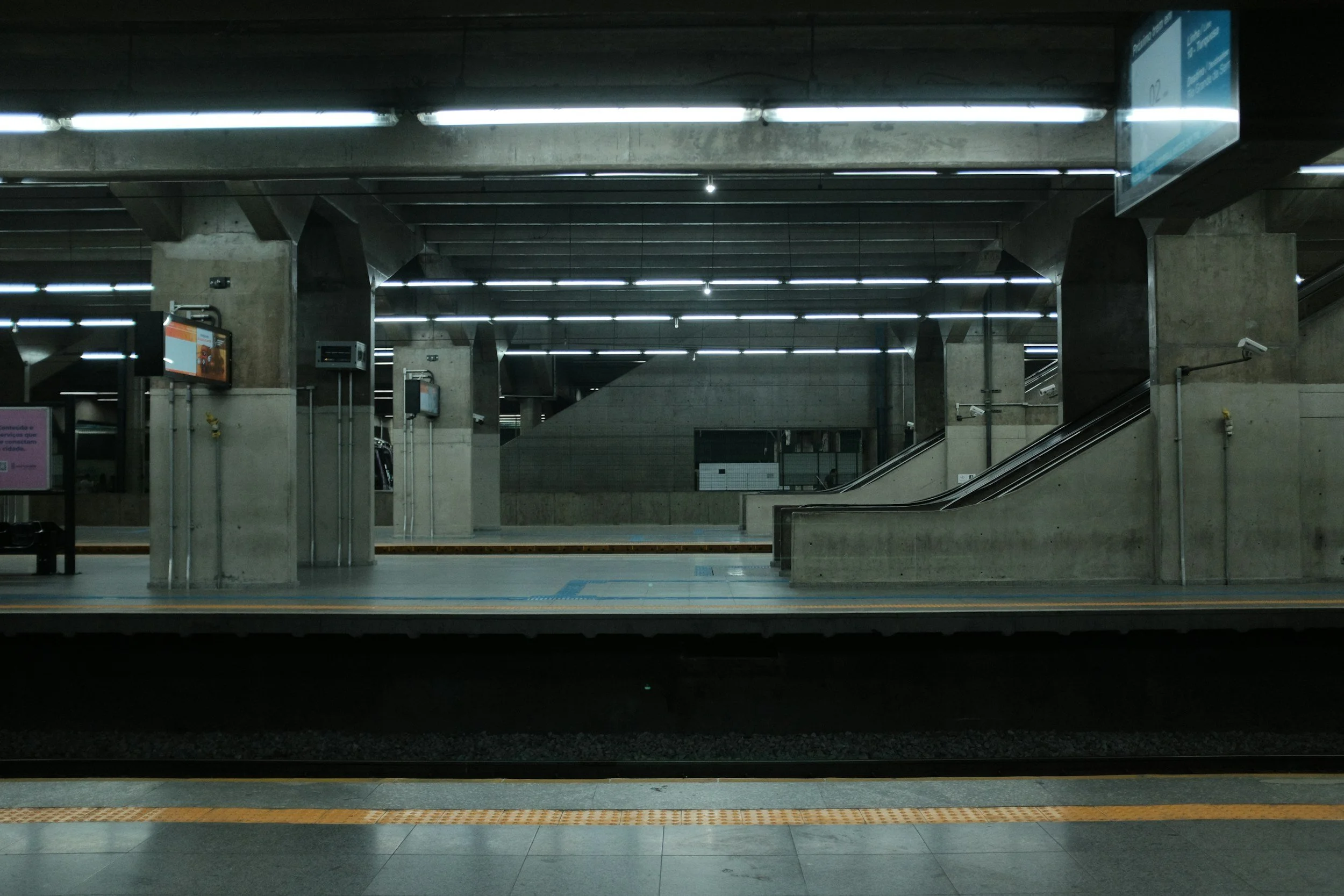
Every day, millions of people travel through the London Underground.
They hurry through ticket halls.
Wait on crowded platforms.
Check departure boards.
And rarely think about what lies hidden beyond the tunnel walls.
Yet beneath London's streets exists a forgotten Underground network that most passengers never see.
Abandoned platforms.
Sealed passageways.
Disused lift shafts.
Closed ticket halls.
Entire stations left behind by history.
These are London's ghost stations former Tube stops that once welcomed thousands of passengers before quietly disappearing from the map.
Some closed because they were too close to neighbouring stations.
Others became victims of changing travel patterns.
A few were replaced by larger, more efficient alternatives.
Today, many remain hidden beneath modern London, preserved like time capsules from another era.
While a small number occasionally open through special London Transport Museum tours, the vast majority remain inaccessible to everyday passengers.
Their stories reveal a fascinating side of London's transport history that even many lifelong Londoners never discover.
What Exactly Is a Ghost Station?
A ghost station is a former Underground or railway station that has been permanently closed to regular passenger services.
London's transport network has evolved continuously since the nineteenth century.
Routes changed.
Neighbourhoods grew.
Passenger habits shifted.
New stations opened while older ones became unnecessary.
Over the Underground's history, more than 40 stations have closed entirely or disappeared from regular passenger use.
Some were demolished.
Others remain surprisingly intact beneath the city.
In certain locations, trains still pass through abandoned platforms every day without stopping.
Passengers often travel through these forgotten spaces without even realising they're there.
That's part of their appeal.
They're hidden in plain sight.
1. Aldwych – London's Most Famous Ghost Station
No abandoned Underground station is more famous than Aldwych.
Originally opened in 1907 as Strand Station, it served a short Piccadilly Line branch running between Holborn and Aldwych.
The route never attracted the passenger numbers planners had hoped for.
Over the decades, usage declined steadily.
By the early 1990s, only a small number of passengers used the station each day.
Aldwych eventually closed in 1994.
Remarkably, much of the station survives.
Original tiling.
Vintage signage.
Historic lifts.
Platform infrastructure.
Its preserved appearance has made it one of London's most popular filming locations, appearing in numerous films, television dramas and documentaries.
For many transport enthusiasts, Aldwych is the ultimate London ghost station.
2. Down Street – Churchill's Hidden Underground Offices
Between Green Park and Hyde Park Corner lies one of the Underground's most intriguing abandoned stations.
Down Street opened in 1907 but struggled almost immediately.
Located close to neighbouring stations, it never attracted substantial passenger traffic.
The station closed in 1932.
Its most fascinating chapter came later.
During World War II, sections of the station were converted into protected underground offices used by senior government officials.
Before the Cabinet War Rooms became fully operational, Winston Churchill and members of the government occasionally used the site for meetings and administrative work.
Today, Down Street remains one of London's most historically significant ghost stations.
3. British Museum Station – Lost to Progress
When the Central London Railway opened in 1900, British Museum Station served visitors travelling to one of London's most famous cultural institutions.
Unfortunately for the station, another stop was nearby.
As Holborn Station expanded and became a major interchange, British Museum Station became increasingly redundant.
Passenger numbers fell.
The station closed permanently in 1933.
Today little remains visible above ground, yet its story reflects how the Underground constantly adapts to changing travel demands.
4. York Road – The Station Trains Still Pass
Many Piccadilly Line passengers unknowingly travel past York Road every day.
Opened in 1906 between King's Cross and Caledonian Road, the station suffered from low passenger numbers throughout its operating life.
It closed in 1932.
Unlike some abandoned stations that disappeared entirely, York Road still leaves visible traces.
Attentive passengers can sometimes spot remnants of the old platforms while travelling through the tunnels.
Few ghost stations maintain such a visible connection to London's modern transport network.
5. City Road – A Forgotten Northern City Line Stop
City Road Station opened in 1901 on what became the Northern City Line.
The surrounding district changed significantly during the early twentieth century, affecting passenger demand.
Usage declined.
The station eventually closed in 1922.
Although little remains visible today, City Road represents an important chapter in London's early railway expansion and demonstrates how quickly transport priorities can change.
6. Brompton Road – The Hidden Station Beneath Knightsbridge
Located between South Kensington and Knightsbridge, Brompton Road Station opened in 1906.
Its location proved problematic.
Nearby stations offered more convenient access for most passengers.
As a result, usage remained consistently low.
The station closed in 1934.
During World War II, parts of the former station were used by military authorities.
Today much of the structure survives beneath Knightsbridge, hidden beneath one of London's busiest districts.
7. Marlborough Road – The Ghost Station You Can Still See
Many abandoned stations have vanished completely.
Marlborough Road is different.
Opened in 1868 near St John's Wood, it served the Metropolitan Railway during the early days of London's Underground network.
Passenger numbers declined after nearby transport improvements and changing travel patterns.
The station closed in 1939.
Today the former station building remains visible beside the Metropolitan Line, making it one of London's easiest ghost stations to spot from a passing train.
8. Mark Lane – Replaced by Tower Hill
Before modern Tower Hill Station existed, passengers used Mark Lane Station.
Opened in 1884, it served the eastern edge of the City of London for decades.
By the 1960s, increasing passenger demand highlighted limitations in the station's layout and capacity.
A larger replacement was constructed nearby.
Mark Lane closed in 1967 and the new Tower Hill Station took over its role.
Its disappearance illustrates how London's transport system continuously reinvents itself to meet changing needs.
9. King William Street – The Underground's Original Northern Terminus
One of the most important ghost stations in London history is King William Street.
Opened in 1890, it served as the original northern terminus of the City & South London Railway—the world's first deep-level electric railway.
The station represented a revolutionary moment in urban transport.
Unfortunately, operational challenges soon emerged.
The tunnel layout restricted train movements and limited future expansion.
When a new route opened in 1900, King William Street became obsolete and closed permanently.
Although passengers can no longer use it, parts of the original infrastructure remain hidden beneath the City.
10. South Kentish Town – The Station That Never Reopened
South Kentish Town opened in 1907 on the Charing Cross, Euston and Hampstead Railway, now part of today's Northern Line.
Persistent lift problems disrupted operations.
Combined with relatively low passenger demand, the station struggled financially.
It closed in 1924.
Several proposals suggested reopening it over the following decades.
None succeeded.
More than a century after opening, South Kentish Town remains abandoned, making it one of London's longest-closed Underground stations.
11. North End (Bull & Bush) – The Station That Never Opened
Some ghost stations never actually welcomed passengers at all.
North End, often referred to as Bull & Bush, is one of London's most famous unfinished stations.
Construction began in the early twentieth century on the Charing Cross, Euston and Hampstead Railway.
Platforms were built.
Tunnels were completed.
The station appeared close to opening.
Then plans changed.
Concerns about passenger demand and nearby development restrictions led to cancellation before services began.
As a result, North End became a ghost station before it ever opened.
Today it remains one of the Underground's most intriguing hidden locations.
Why Did So Many Stations Close?
Most ghost stations disappeared for practical reasons rather than dramatic ones.
Common causes included:
low passenger numbers
stations located too close together
route modernisation
operational improvements
network expansion
changing population patterns
economic pressures
As London evolved, its transport system evolved with it.
Not every station survived the process.
Hidden Beneath Modern London
What makes London's ghost stations so fascinating is that many still exist.
Behind sealed doors and hidden corridors lie:
original platform signs
tiled passageways
lift shafts
ticket offices
waiting rooms
historic architecture
Some remain remarkably well preserved.
Others survive only as fragments.
Together they form an underground museum hidden beneath one of the world's busiest cities.
Most Londoners walk above them every day without ever knowing they're there.
Can You Visit Any of Them Today?
Most ghost stations remain closed to the public for safety and operational reasons.
However, the London Transport Museum's Hidden London programme occasionally offers guided tours of selected abandoned Underground sites, including famous locations such as Aldwych and Down Street.
These tours provide rare access to parts of London's transport network normally hidden from view.
Tickets are extremely popular and often sell out quickly.
For transport enthusiasts, they are among the most fascinating experiences available in London.
Why London's Ghost Stations Continue to Fascinate
London constantly changes.
Buildings rise and disappear.
Neighbourhoods transform.
Transport routes evolve.
Yet ghost stations remain frozen snapshots of earlier versions of the city.
They remind us that even something as permanent as the Underground is always adapting.
Behind every abandoned platform lies a forgotten chapter of London's story.
A station that once welcomed passengers.
A ticket office that once sold journeys.
A platform where commuters once waited for trains that no longer stop.
And perhaps that's what makes London's ghost stations so compelling.
They're not simply abandoned places.
They're reminders of all the different Londons that existed before the one we know today.