10 London Streets Named After Jobs People No Longer Do
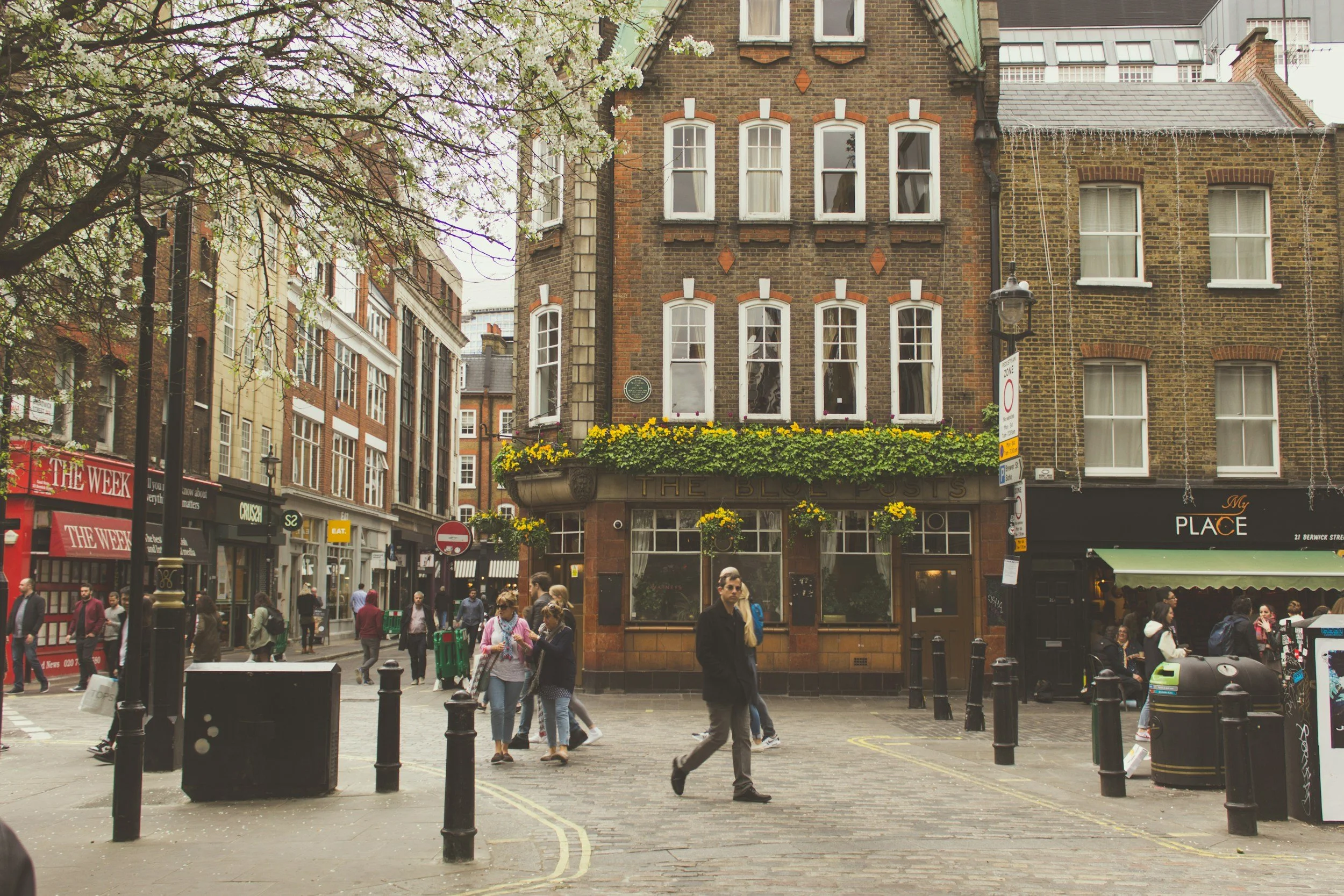
London has a habit of hiding its history in plain sight.
You can walk through the City on your way to work, pass a street sign without giving it a second thought, and never realise that the name above you may be hundreds of years old. Bread Street, Milk Street, Poultry, Ironmonger Lane and Fish Street Hill don't sound particularly mysterious today. But many of these names are remnants of a London where streets and neighbourhoods were closely associated with particular goods, markets and trades.
The City of London itself notes that its street names still bear witness to areas where individual trades once gathered and flourished. Its historical material on the Cheapside area also identifies specialised markets and trades associated with streets including Bread Street, Milk Street, Wood Street and Ironmonger Lane.
That doesn't mean the occupations themselves have all vanished. Bakers still bake, fishmongers still sell fish and shoemakers still make shoes. What has largely disappeared is the old concentration of those trades in these particular streets.
And that's what makes the names so interesting.
Here are 10 London streets where the map still remembers what people once did for a living.
1. Bread Street - where bread was once the business
Let's start with one of the easiest names to decode.
Bread Street sits close to Cheapside in the City of London, and its history really is connected with the bread trade.
The street was recorded as Bredstrate as early as 1180 and became a designated bread market in the medieval period. In 1302, Edward I issued regulations concerning where certain bakers could sell their bread, reinforcing Bread Street's role in the trade.
That tells us something important about medieval London.
The name wasn't simply descriptive in a vague sense. The street was part of a much more organised commercial landscape in which particular trades were concentrated in particular places.
Today, Bread Street is surrounded by offices, restaurants and modern City buildings. You aren't going there to buy a loaf from a medieval baker.
But the name survived the transformation of the neighbourhood.
And if you know its history, the street sign becomes a tiny piece of London's commercial past.
2. Milk Street - a medieval milk market in the middle of today's City
Milk Street is another name that is remarkably literal.
Historical records trace the street back to the medieval period, when it was associated with the sale of milk. Cows were also kept in the area for milking, making the name particularly appropriate for the time.
It is difficult to picture that version of Milk Street today.
The modern City is one of Europe's major financial districts, filled with offices, commuters and skyscrapers. Yet the street name comes from a period when London's commercial life was much more directly connected to the production and sale of everyday food.
The name survived even though the activity that gave it meaning moved on.
That is one of the recurring themes you'll find across the City.
The trade changed. The street name didn't.
3. Poultry - yes, the name really is about poultry
There is no complicated etymology needed for Poultry.
The name refers to the poultry trade that once operated in the area around Cheapside.
Historical accounts describe Poultry as a place where poultry was sold, and the name was already established by the medieval period. By the late 16th century, John Stow recorded that the poulterers had moved elsewhere, meaning the street's name was already preserving a trade that had largely moved away from the area.
That's a fascinating detail because it shows that London was already changing even when these names were relatively young.
The street didn't need the poultry sellers to remain there for the name to survive.
Today, Poultry is part of the modern financial City.
There isn't a medieval poultry market waiting around the corner.
But if you know what the name means, you can imagine a very different scene.
4. Honey Lane - when a street name was also a shopping guide
Just north of Cheapside is Honey Lane, another surviving name from London's historic food trade.
The lane was recorded as Huni Lane in the early 13th century and became associated with honey sellers. Later, the area developed a market that survived into the 19th century before disappearing.
The idea of a medieval shopper navigating London is fascinating.
There were no supermarkets containing every possible product under one roof. Markets and specialist trading areas were much more important to everyday life.
So a street name could effectively tell you where to go.
Bread Street for bread.
Milk Street for milk.
Poultry for poultry.
Honey Lane for honey.
London's modern street map still contains pieces of that old shopping system.
5. Ironmonger Lane - a trade that moved but left its name behind
Ironmonger Lane is one of the strongest examples of an occupational street name.
An ironmonger was a trader dealing in iron goods and hardware, and the name of the lane is directly connected with the trade.
What makes the history even more interesting is that the ironmongers did not remain there forever.
Historical accounts record the trade moving away from the area, while the street retained its old name. The City of London also highlights Ironmonger Lane as one of the streets associated with specialised medieval trades.
That is exactly the kind of story that makes London's street names worth investigating.
The name isn't simply telling you what happens there today.
It's telling you what used to happen there.
And you can still walk down the same lane centuries later.
6. Cordwainer - London's forgotten word for a shoemaker
You may have heard the word cordwainer without knowing what it meant.
A cordwainer was a skilled shoemaker, traditionally associated with fine leather footwear.
The Worshipful Company of Cordwainers traces its history in the City back to the medieval period, with ordinances dating from 1272. The trade became important enough to give its name to Cordwainer Ward.
The name is particularly interesting because the historical cordwainers weren't simply isolated craftsmen. Shoemakers and leather workers formed part of a wider network of specialised trades within the medieval City.
Today, the word survives mainly through historical references, the livery company and the City ward.
The profession of shoemaking obviously hasn't disappeared.
What has disappeared is the world in which a significant part of London's footwear trade could give an entire part of the City its name.
7. Fish Street Hill - London's old fish trade
Head towards the Monument and you'll find Fish Street Hill.
Again, the name gives away the story.
The area around Fish Street and London Bridge was closely associated with the city's fish trade, with fishmongers operating there for centuries. The Fishmongers' Company itself has a long history in the City and remains one of London's historic livery companies.
The location made practical sense.
The Thames was fundamental to London's trade, and London Bridge was one of the most important crossings and commercial points in the medieval city.
Today, Fish Street Hill is better known for its proximity to The Monument, commemorating the Great Fire of London.
But the street name is still telling you something about the commercial life of the area long before the modern City existed.
8. Candlewick Street - a name that eventually became Cannon Street
This is one of the most interesting stories on the list because the original name has effectively been hidden.
Candlewick Street was associated with the candle-making trade, particularly wax chandlers. The Worshipful Company of Wax Chandlers traces references to Candlewick Street back to the medieval period and explains its connection with the trade.
But you won't find a major London road called Candlewick Street today.
That's because the historic name eventually became associated with what we now know as Cannon Street.
So when you're walking along Cannon Street, you're walking through a part of London whose name has changed enough that its occupational origin is easy to miss.
The candles disappeared.
The chandlers disappeared from the street.
And even the name itself evolved.
But the history is still there if you know where to look.
9. Budge Row - a trade hidden behind a strange word
Budge Row is probably one of the least obvious names on this list.
The word budge referred to a type of lambskin or fur, and historical accounts connect the street with dealers in this material and the wider skinners' trade.
It's a good example of why simply reading an old street name isn't always enough.
You might walk past Budge Row today and wonder what “budge” has to do with London.
The answer is buried in an occupation and a material that are no longer part of everyday urban life in the way they once were.
The street survives.
The vocabulary has largely disappeared from everyday conversation.
10. Cornhill - before finance, there was corn
Today, Cornhill is strongly associated with the City of London and its financial district.
But the name has an older commercial story.
Cornhill was associated with the corn market, with historical sources describing it as an important centre for the trading of grain and wheat. The area around Cornhill was part of London's wider network of markets.
That makes the modern surroundings particularly striking.
Walk around Cornhill today and you'll see banks, offices, historic financial institutions and some of the City's most recognisable architecture.
The modern economy is completely different.
Yet the name still hints at what was being traded there centuries ago.
Why did London's streets end up with these names?
The answer lies partly in the way medieval London organised commerce.
The City was a dense commercial settlement, and particular markets and trades tended to become concentrated in specific areas. The City of London specifically identifies streets around Cheapside as places where specialised markets and trades developed, including Bread Street, Milk Street, Wood Street and Ironmonger Lane.
Guilds and livery companies were also an important part of this system.
The City of London explains that many of the historic livery companies grew from medieval guild traditions, while London's street names continue to preserve evidence of areas where individual trades gathered and flourished.
So if you were living in medieval London and needed something, knowing where to go mattered.
You didn't have a modern shopping centre where dozens of unrelated businesses could sit side by side.
You had specialised areas.
And those areas became associated with their trades strongly enough that their names survived for centuries.
The jobs haven't necessarily disappeared - the streets changed
This is an important distinction.
It would be tempting to call this a list of “London streets named after jobs people no longer do.”
But that isn't completely true.
There are still bakers.
There are still fishmongers.
There are still shoemakers.
There are still ironmongers.
There are still people who make candles and ropes.
What has largely disappeared is the old geographical concentration of those trades.
You don't go to Bread Street because you need a loaf.
You don't go to Poultry because you're looking for a chicken seller.
And you don't head to Ironmonger Lane expecting to find the medieval ironmongers who originally gave it its name.
The city changed around them.
The names remained.
And that is arguably the more interesting story.
London's map is a history book hiding in plain sight
One of the best things about exploring the City is that you don't always need to visit a museum to discover its past.
Sometimes you just need to stop and read a street sign.
Bread Street tells you about the bread trade.
Milk Street recalls a medieval milk market.
Poultry remembers the poulterers.
Ironmonger Lane points towards the iron trade.
Cordwainer takes you back to London's shoemakers.
Fish Street Hill recalls the fish trade around the river and London Bridge.
And Candlewick Street's connection with today's Cannon Street shows just how much a name can change while still carrying a piece of its original history.
The City has changed dramatically over the centuries. Fires have destroyed buildings, wars have reshaped neighbourhoods, businesses have moved and modern skyscrapers have transformed the skyline.
Yet some of the oldest clues are still sitting above the pavement.
The next time you're walking through the City, don't just look at the buildings. Look at the street signs.
Because sometimes, the name of the street can tell you what London was doing long before the skyscrapers arrived.
Discover more London history, hidden stories and places worth exploring on LondonYaar.com.
Follow @rohan.londonyaar for more London stories, facts and things to do.