10 Classic British Cakes You Should Try in London
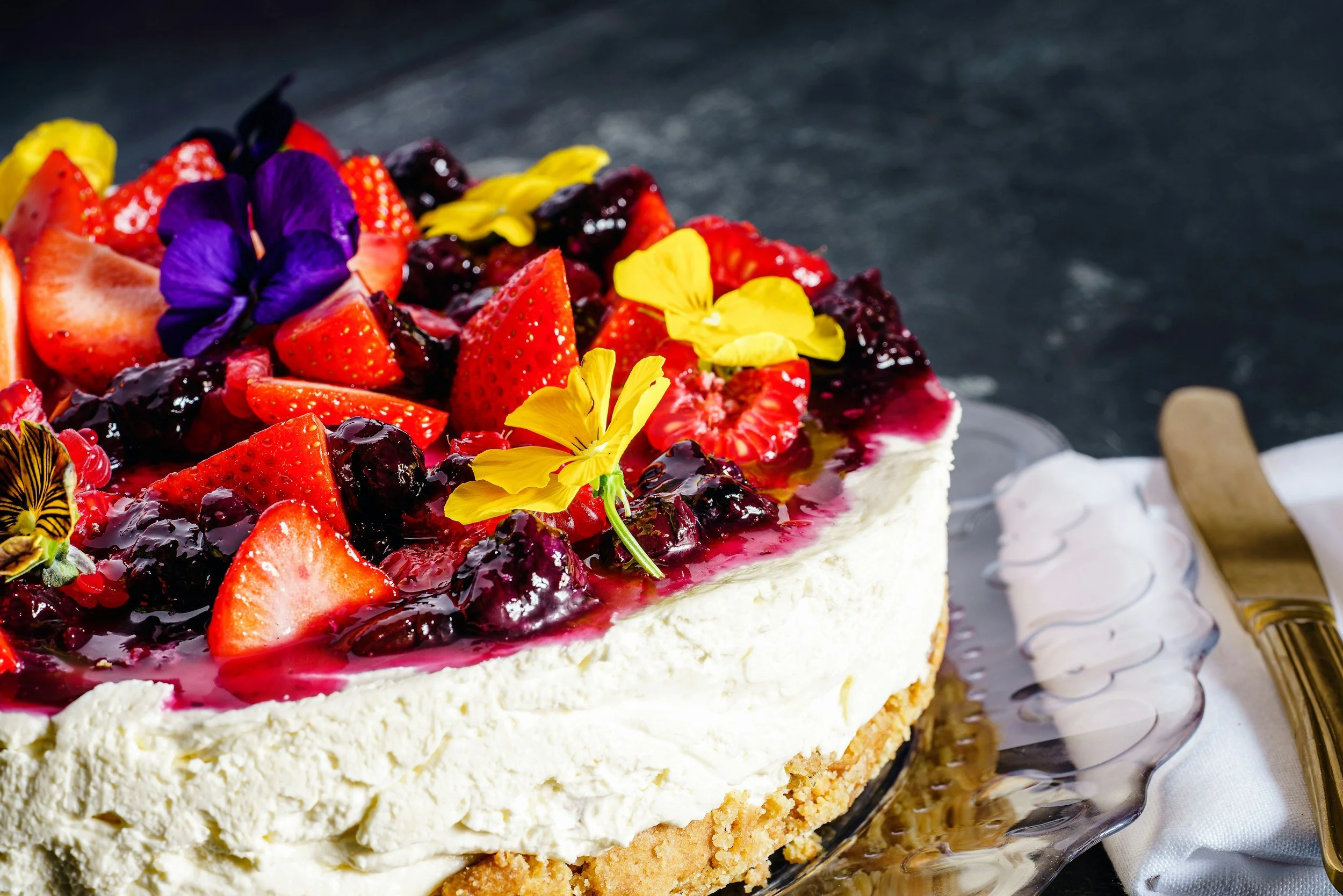
When people think about food in London, they often picture fish and chips, Sunday roasts or afternoon tea.
But there's another part of British food culture that's just as important: cake.
From rich fruit cakes enjoyed for centuries to sponge cakes served during afternoon tea and chocolatey treats found in bakeries across the capital, Britain has developed a surprisingly diverse collection of beloved cakes. Some have royal connections, others originated in small towns and villages, and a few have become national favourites found in cafés all over the country.
The good news for visitors is that London is one of the best places to try them.
Whether you're stopping at a traditional tea room, exploring a historic bakery or enjoying an elegant afternoon tea, these classic British cakes can be found throughout the capital.
Here are 10 traditional British cakes that every London food lover should try at least once.
1. Victoria Sponge
If Britain had an official national cake, the Victoria Sponge would be a strong contender.
Named after Queen Victoria, who was known to enjoy a slice with her afternoon tea, this simple but elegant cake consists of two layers of sponge filled with raspberry jam and whipped cream or buttercream.
Its appeal comes from its simplicity.
There are no complicated decorations or unusual ingredients. Just light sponge, sweet jam and a perfectly balanced texture that has remained popular for generations.
You'll find excellent versions in afternoon tea venues throughout London, from luxury hotels to independent cafés.
2. Battenberg Cake
One of Britain's most recognisable cakes, the Battenberg is instantly identifiable thanks to its distinctive pink-and-yellow checkerboard pattern.
The cake is traditionally wrapped in marzipan and is believed to have been created to celebrate the marriage of Princess Victoria, a granddaughter of Queen Victoria, to Prince Louis of Battenberg in 1884.
The combination of sponge and marzipan creates a flavour that feels unmistakably British.
It's also one of the most visually distinctive cakes you'll encounter.
3. Dundee Cake
Originating in Scotland, Dundee Cake has become a staple of British baking and can be found in many London bakeries.
Unlike heavier Christmas fruit cakes, Dundee Cake is lighter and often decorated with a ring of almonds arranged on top.
Traditionally made with currants, sultanas and citrus peel, it offers a rich but approachable introduction to Britain's long love affair with fruit cakes.
It's especially popular during cooler months alongside a cup of tea.
4. Madeira Cake
Despite its name, Madeira Cake doesn't actually come from Madeira.
Instead, it earned its name because it was traditionally served alongside Madeira wine.
This dense but buttery sponge became a staple of Victorian tea tables and remains a favourite in Britain today.
Often flavoured with lemon, it's one of the simplest cakes on this list, but its delicate flavour and moist texture have helped it endure for generations.
Many traditional tea rooms in London still serve it.
5. Coffee and Walnut Cake
Few cakes are as closely associated with British cafés as Coffee and Walnut Cake.
Combining coffee-flavoured sponge, buttercream and crunchy walnuts, it's become a staple of bakery counters across the country.
The slightly bitter coffee balances the sweetness of the frosting beautifully, creating a cake that's particularly popular with adults.
If you're visiting an independent London café, there's a good chance you'll spot it on display.
6. Lemon Drizzle Cake
Simple, bright and incredibly popular, Lemon Drizzle Cake has become one of Britain's most loved home-baked treats.
The secret lies in the drizzle.
After baking, the sponge is soaked with a mixture of lemon juice and sugar, creating a moist texture and distinctive citrus flavour.
It's the sort of cake that appears at village fêtes, family gatherings and tea tables across Britain.
Fortunately, it's also widely available in London cafés and bakeries.
7. Eccles Cake
Technically closer to a pastry than a traditional sponge cake, Eccles Cake remains one of Britain's most famous sweet baked treats.
Originating in Eccles near Manchester, it consists of flaky pastry filled with currants, sugar and spices.
While its origins lie outside London, it has become a classic feature of bakeries throughout the capital.
It's particularly enjoyable with tea on a cold day.
8. Simnel Cake
Simnel Cake has a fascinating history linked to Easter celebrations.
Made with fruit cake and layers of marzipan, it's traditionally decorated with eleven marzipan balls representing the apostles, excluding Judas.
The cake dates back centuries and remains one of Britain's most distinctive seasonal bakes.
While most common around Easter, some specialist bakeries in London offer it throughout the year.
9. Fruit Cake
Few cakes are more deeply woven into British culture than traditional fruit cake.
Packed with dried fruits and often flavoured with spices, fruit cake has been enjoyed in Britain for hundreds of years.
It's particularly associated with weddings, Christmas celebrations and special occasions.
While modern tastes have shifted somewhat, a well-made fruit cake remains a classic British experience.
Many London bakeries continue to produce exceptional versions using traditional recipes.
10. Chocolate Guinness Cake
While more modern than many cakes on this list, Chocolate Guinness Cake has become a firm favourite in Britain.
The addition of Guinness stout creates a rich, moist texture and deep flavour without making the cake taste strongly of beer.
Popular in gastropubs, cafés and bakeries, it's a wonderful example of how British baking continues to evolve while drawing on traditional ingredients.
Many London establishments now include it as a regular menu item.
Why Cake Plays Such a Big Role in British Culture
To understand British cakes, you have to understand tea.
For generations, cake and tea have gone hand in hand.
The tradition of afternoon tea helped popularise many of the cakes still enjoyed today, while home baking became an important part of British family life.
Village fêtes, school events, family celebrations and community gatherings often featured homemade cakes as centrepieces.
Over time, certain recipes became national favourites, passed down through generations and adapted by bakers across the country.
Even today, cake remains a central part of British food culture.
Where to Try Traditional British Cakes in London
One of the best things about London is that you don't need to visit specialist bakeries to find many of these cakes.
Excellent examples can often be found at:
Traditional afternoon tea venues
Independent neighbourhood cafés
Historic bakeries
Farmers' markets
Department store food halls
Hotel tea lounges
Locations such as Fortnum & Mason, The Ritz, Claridge's, Peggy Porschen, Cutter & Squidge and numerous independent bakeries regularly showcase classic British baking traditions.
The quality varies, but London offers more opportunities to explore British cakes than almost anywhere else in the country.
Why They're Still Popular Today
Food trends come and go.
Classic British cakes somehow endure.
Part of the reason is nostalgia.
Many people grew up eating these cakes at family gatherings, school events or weekend tea breaks.
But they're also genuinely good.
Their recipes focus on simple ingredients, balanced flavours and comforting textures rather than elaborate presentation.
In a world constantly chasing the next food trend, these cakes continue to prove that classics often survive for a reason.
Final Thoughts
London may be famous for its international food scene, but some of the city's most rewarding treats are also among its most traditional.
From the elegant simplicity of Victoria Sponge to the marzipan-covered Battenberg and the citrusy freshness of Lemon Drizzle Cake, these classic British cakes tell the story of centuries of baking tradition.
They're comforting, nostalgic and unmistakably British.
And if you're exploring London's cafés, bakeries and afternoon tea venues, trying a few of them is one of the sweetest ways to experience a small but important part of British culture.