What Do Zone 1, Zone 2 and Zone 3 Mean in London? A Beginner’s Guide to London Travel Zones
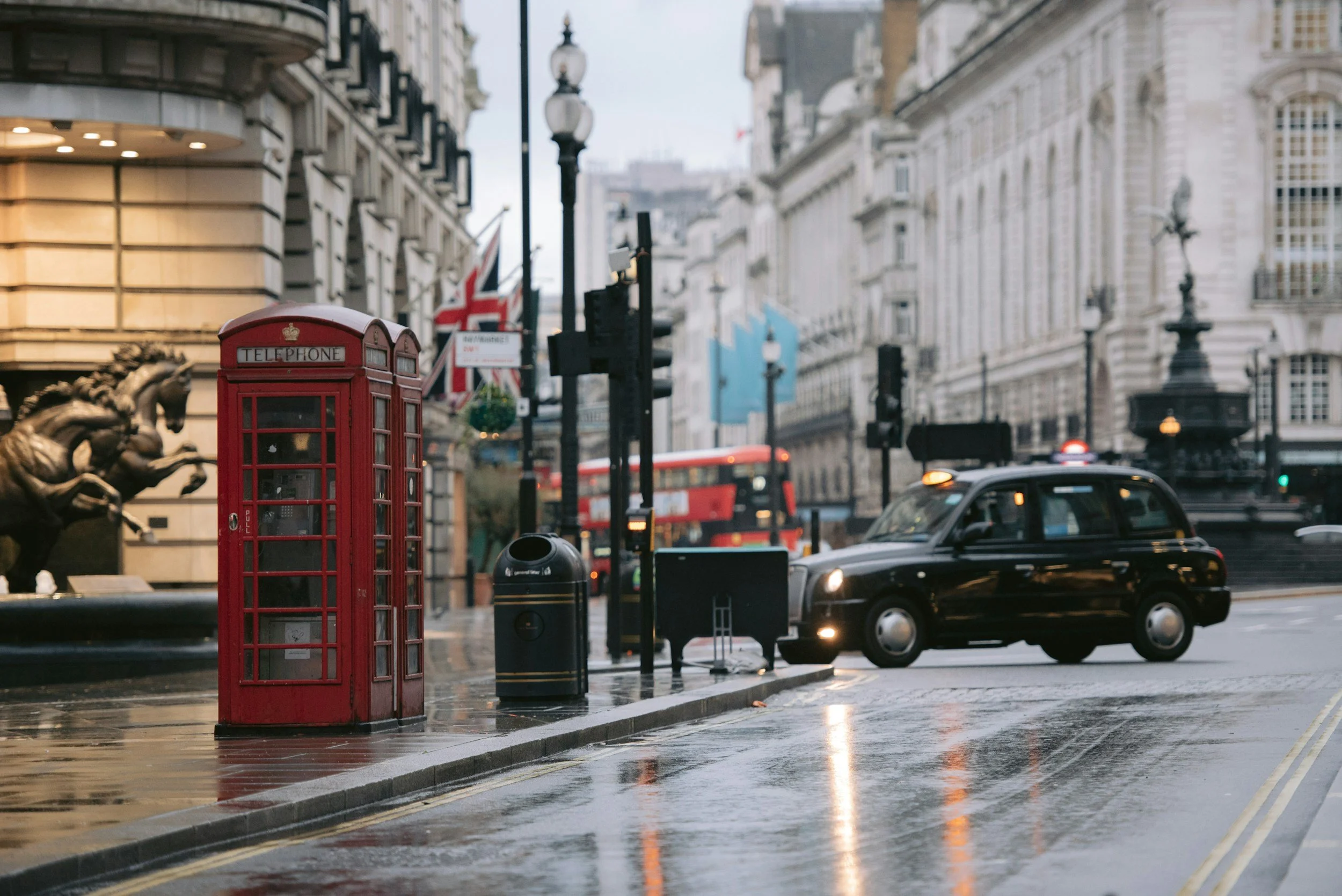
If you've started planning a trip to London, you've probably seen the words Zone 1, Zone 2 and Zone 3 everywhere.
Your hotel might say:
“Located in Zone 2.”
A Tube map might show:
“Zone 1–3.”
A ticket might say:
“Zones 1–4.”
And then you start wondering:
What does any of this actually mean?
Is Zone 1 the best place to stay?
Is Zone 3 far away?
Does Zone 2 mean you're outside London?
Do you need a Zone 1 ticket to visit Big Ben?
And perhaps the biggest question:
How do London travel zones affect how much you pay?
The good news is that the system becomes much easier once you understand what the zones are actually for.
London's public transport network is divided into nine fare zones. Zone 1 covers central London, while the higher-numbered zones extend further out. Most major visitor attractions are in Zones 1 and 2, which is why tourists encounter those two zones particularly often.
But the zones are primarily a fare and ticketing system.
They aren't a list of London's best areas.
They aren't neighbourhood rankings.
And they don't tell you whether somewhere is worth visiting.
Here's everything a first-time visitor needs to know.
What Are London's Travel Zones?
London's travel zones are geographic areas used to calculate fares on parts of the city's public transport network.
There are currently Zones 1 to 9.
Very broadly:
Zone 1 = central London
Zone 2 = areas immediately outside much of central London
Zone 3 = further out into London's suburbs
…and the numbers continue outward.
The zones are used for Tube, DLR, London Overground, Elizabeth line and many National Rail journeys within London's zonal fare system.
You can therefore think of the system roughly like this:
The higher the zone number, the further from central London you generally are.
But don't take that as an exact measure of distance.
London's zones aren't perfect circles around Big Ben.
The boundaries follow the transport network and its fare structure.
What Is Zone 1?
Zone 1 is central London.
This is where you'll find a huge number of the attractions most first-time visitors want to see.
Depending on exactly where you're going, Zone 1 includes areas around:
Westminster
Soho
Covent Garden
Trafalgar Square
Leicester Square
Piccadilly
St Paul's
London Bridge
Tower of London
South Bank
King's Cross
Victoria
Paddington
Liverpool Street
The exact station zone should always be checked on the current TfL map rather than assuming an entire neighbourhood belongs to one zone.
The important thing for visitors is this:
A large proportion of London's famous sights are concentrated in or around Zone 1.
That's why you'll hear people talking about Zone 1 so much.
What Is Zone 2?
Zone 2 surrounds much of Zone 1.
It includes a huge number of London neighbourhoods that are still relatively close to central London.
Depending on the location, you may find places such as:
Camden
Greenwich
Hampstead
Brixton
Clapham
Shepherd's Bush
Stratford
Hammersmith
Canary Wharf
around Zone 2 or its boundaries.
Again, don't assume that an entire neighbourhood is necessarily in one zone.
Transport zones apply to stations and routes, so the exact location matters.
Zone 2 is important for visitors because it can give you access to neighbourhoods that feel more residential while still keeping you reasonably well connected to central London.
What Is Zone 3?
Zone 3 extends further out.
It includes many suburban parts of London and areas beyond the central sightseeing core.
Depending on the direction you're travelling, Zone 3 can include places such as:
Wimbledon
Richmond
Ealing
Wembley
parts of Enfield
parts of Croydon
parts of outer east London
Again, station-by-station checking matters.
And here's something important:
Zone 3 does not mean “too far away.”
London is a large city.
Some Zone 3 locations can have excellent transport connections and can be surprisingly convenient.
A hotel in Zone 3 that's directly beside a fast rail or Tube connection could potentially be more convenient than a Zone 1 hotel that's a long walk from a useful station.
Does Zone 1 Mean “Central London”?
Generally, yes.
But Zone 1 isn't exactly the same thing as the phrase “central London.”
“Central London” is a broad geographic and everyday description.
The fare zones are a transport pricing system.
For example, a place can feel very central while being near a zone boundary, and a destination outside Zone 1 can still be easy to reach.
So don't use the zones as a perfect map of London's geography.
Use them as a guide to how public transport fares are structured.
Is Zone 1 the Most Expensive Zone?
Not necessarily in every sense.
This is an important distinction.
When people talk about London being expensive, they may be talking about:
Hotels
Rent
Restaurants
Attractions
Transport
Shopping
Travel zones primarily affect transport fares.
They don't determine the price of your hotel or your lunch.
A hotel in Zone 1 can be more expensive because of location and demand, but that isn't because TfL has made Zone 1 a “premium” hotel zone.
Likewise, a Zone 3 hotel isn't automatically cheap.
Why Do Visitors Care About the Zones?
Because the zones can affect how much you pay for certain journeys and travel products.
TfL's pay-as-you-go system uses the zones when calculating fares and caps.
For example, from 1 March 2026, adult pay-as-you-go fares for Tube, DLR, London Overground, Elizabeth line and relevant rail journeys increased under the current fare structure. A Zone 1 journey is currently £3.10 at peak times and £3.00 off-peak when using pay as you go, while a journey travelling through Zones 1–3 is currently £3.90 peak and £3.30 off-peak.
But don't try to memorise every fare.
London's fare system has several variables.
Your best approach is to use TfL's Single Fare Finder for a particular journey. TfL specifically warns that fares can vary depending on the stations, route, direction, time and day.
Do You Need to Buy a Zone 1 Ticket If You're Visiting London?
Not automatically.
This is one of the biggest misunderstandings.
If you're travelling from Zone 3 to a Zone 1 attraction, your journey will simply be charged according to the zones involved.
You don't need to purchase some special “Zone 1 tourist ticket” just because you're visiting central London.
With pay as you go, your fare is calculated according to your journey.
If you're using a Travelcard, however, the zones included in your Travelcard matter.
TfL says the zones you choose for a Travelcard or relevant fare product need to include all the zones you'll travel through.
What Happens If You Travel From Zone 3 to Zone 1?
Let's make this simple.
Imagine your hotel is near a Zone 3 station.
You want to visit:
Big Ben.
Big Ben is in central London.
Your journey might therefore travel:
Zone 3 → Zone 2 → Zone 1
The fact that you started in Zone 3 doesn't stop you travelling to Zone 1.
It simply means your journey covers more zones.
If you're using pay as you go, the fare system calculates the appropriate fare.
This is why you don't need to worry about “entering” a different zone like crossing an international border.
You simply tap in and travel.
Do Buses Have Zones?
This is a really important difference.
London buses don't charge you according to Tube-style travel zones.
Bus fares operate differently.
As of the current 2026 fare structure, the adult pay-as-you-go bus and tram fare is £1.75, and the Hopper fare allows unlimited bus and tram journeys within one hour of the first touch-in for £1.75.
So you can travel by bus across different parts of London without thinking:
“I'm going from Zone 2 into Zone 3, so I need another ticket.”
That's not how the bus fare works.
For visitors, this is one reason buses can be a useful alternative to the Tube for some journeys.
What About Trams?
Trams also don't work like Tube zone fares.
They use the bus and tram fare structure.
The current adult pay-as-you-go fare is £1.75, with the Hopper fare applying to eligible bus and tram journeys within the relevant one-hour period.
So don't look at a tram journey and try to calculate it like:
Zone 2 → Zone 3 = £X.
The bus and tram fare system is different.
Do Zones Affect the Elizabeth Line?
Yes.
The Elizabeth line uses London's zonal fare system for journeys within the relevant zones.
This is particularly useful for visitors travelling to and from places such as:
Paddington
Bond Street
Tottenham Court Road
Farringdon
Liverpool Street
Canary Wharf
Stratford
and towards outer parts of the line.
The Elizabeth line also serves Heathrow, where fares can be different from ordinary central London journeys.
TfL's current fare information specifically lists Elizabeth line fares and notes a higher pay-as-you-go fare for journeys between Zone 1 and Heathrow.
So if you're travelling to Heathrow, don't assume that a normal Zone 1–6 calculation tells the whole story.
Check the current fare for your exact journey.
What About Heathrow?
Heathrow is one of the places where visitors often get confused.
Heathrow Airport is in Zone 6 for London fare purposes.
That doesn't mean it's six times as far away as Zone 1.
It simply tells you where it sits in the fare-zone system.
You can travel between Heathrow and central London using services such as:
Piccadilly line
Elizabeth line
Heathrow Express
But they don't all have identical pricing.
For a visitor trying to save money, the Piccadilly line and Elizabeth line can be very different propositions from Heathrow Express.
Always check the current fare and journey time before choosing.
Do You Need Zones 1–6?
You'll often see visitors talking about Zones 1–6.
That's because Zones 1–6 cover the main London fare area and include Heathrow.
TfL's current fare information provides pay-as-you-go caps covering combinations through Zones 1–6.
But that doesn't mean every visitor should buy a Zones 1–6 Travelcard.
If you mostly stay in central London, you may not need one.
And if you're using contactless or Oyster pay as you go, you don't generally need to decide your zones in advance.
What Is a Daily Cap?
This is one of the most useful things for visitors to understand.
If you're using contactless or Oyster pay as you go, TfL applies daily caps to eligible journeys.
In simple terms, once your eligible travel reaches the relevant daily cap, you won't keep paying indefinitely for additional journeys within the applicable zones.
For the current 2026 fare structure, the adult daily cap for Zones 1–2 is £8.90, while the Zone 1–3 cap is £10.50. The Zone 1–6 cap is £16.30.
This is one reason contactless or Oyster pay as you go can be convenient for visitors.
You don't necessarily need to calculate every journey before travelling.
What Is a Weekly Cap?
Contactless and Oyster pay as you go can also use weekly capping.
TfL's current system calculates weekly caps on a Monday to Sunday basis.
For the current adult fares, the Monday-to-Sunday cap for Zones 1–2 is £44.70, while Zones 1–3 is £52.50 and Zones 1–6 is £81.60.
This is important because a “week” in TfL's capping system isn't simply any seven consecutive days.
It's Monday to Sunday.
Does Your Hotel Need to Be in Zone 1?
No.
This is probably the most useful thing to remember when booking accommodation.
A Zone 2 or even Zone 3 hotel can work perfectly well for a tourist.
What matters is:
How close is it to a useful station?
Imagine two hotels.
Hotel A
Zone 1.
15-minute walk from the nearest useful station.
Hotel B
Zone 2.
Two minutes from a Tube station with a direct connection to central London.
Hotel B could easily be more convenient.
This is why you shouldn't search for:
“Zone 1 hotel only.”
Instead search for:
“Hotel near Tube station with good connection to the places I want to visit.”
Zone 2 Can Be a Great Place to Stay
Zone 2 is particularly interesting for visitors who want a balance between central access and a more neighbourhood-focused experience.
Depending on the area, you can find:
Restaurants
Cafés
Markets
Parks
Nightlife
Residential streets
Independent shops
And you can still reach central London relatively easily.
Areas around Zone 2 can also give you a different sense of London compared with staying directly in the busiest tourist districts.
Should You Stay in Zone 3 to Save Money?
Potentially.
But don't make the decision based purely on the zone number.
Look at the total cost.
For example:
Hotel in Zone 1: £180 per night
Hotel in Zone 3: £120 per night
The Zone 3 hotel looks £60 cheaper.
But if it requires expensive or inconvenient journeys every day, takes much longer to reach your sightseeing destinations and means more time travelling, the saving might not feel as attractive.
On the other hand, if the Zone 3 hotel has excellent transport connections and you save £60 per night, it could make a lot of sense.
The answer depends on your trip.
What Does “Zones 1–3” Mean?
You'll often see this written on tickets, Travelcards and fare information.
Zones 1–3 means the ticket or fare product covers travel within those zones according to its conditions.
If your journey goes beyond the zones covered by a Travelcard or other zonal product, you may need additional payment or another arrangement.
TfL specifically advises travellers to ensure that their selected zones cover all the zones they will travel through.
So if your Travelcard covers Zones 1–2 and you decide to travel to a Zone 3 destination, don't assume you're automatically covered.
What If You Travel Across London Without Going Through Zone 1?
This is where London's pink card readers can become important.
Suppose you're travelling from one outer zone to another and your route avoids Zone 1.
At certain interchange stations, you may see a pink card reader.
TfL says these readers help identify routes that don't travel through Zone 1.
If you're making a journey across London without passing through Zone 1, you may need to touch the pink reader when changing trains so that the system knows which route you took.
If you don't use the pink reader when required, TfL says you may be charged the higher fare that includes Zone 1 travel.
This isn't something most tourists need to worry about every day.
But it's useful to know if you're travelling between outer London areas.
Do You Need to Understand Every Zone?
Absolutely not.
If you're visiting London for three or four days and your plans look something like:
Westminster → Soho → Covent Garden → Tower Bridge → Borough Market → South Kensington → Camden
you can largely forget about the zones.
Most of your sightseeing will be concentrated in Zones 1 and 2.
Visit London's current transport guidance similarly notes that most visitor attractions are located in central London Zones 1 and 2.
Just use contactless or Oyster pay as you go, tap correctly and let the system calculate the fare.
When Should You Actually Pay Attention to Zones?
Pay attention when:
You're booking accommodation -
Check which zone the nearest station is in.
You're travelling to Heathrow -
Check the exact fare and service.
You're travelling to outer London -
Your fare and daily cap may be higher.
You're buying a Travelcard -
Make sure the zones cover your planned journeys.
You're travelling frequently -
Understand the relevant daily or weekly cap.
You're travelling between outer zones -
Look out for pink card readers and routes that avoid Zone 1.
A Simple Example for a Tourist
Let's imagine you're staying near Stratford.
Your hotel is outside the central core, but you have excellent transport connections.
On Monday you travel:
Stratford → Westminster
Then:
Westminster → Covent Garden
Then:
Covent Garden → Stratford
On Tuesday:
Stratford → London Bridge
Then:
London Bridge → Camden
Then:
Camden → Stratford
You don't need to buy separate “Zone 1 tickets” every time you enter central London.
If you're using contactless or Oyster pay as you go, you simply follow the correct tap-in/tap-out process and the fare system handles the calculation.
The relevant daily cap can then limit the amount you pay for eligible journeys.
How to Check Which Zone a Station Is In
Don't guess.
Use the current TfL Tube and rail map.
The official London transport maps show the travel zones and stations, and TfL provides a dedicated zonal map.
You can also check a particular journey using TfL's Single Fare Finder.
That's particularly useful when you're unsure whether two stations are within the same zone or what the actual fare will be.
The Biggest Mistakes Tourists Make About London Zones
Mistake 1: Thinking Zone 1 is “better”
It isn't.
It's simply the central fare zone.
Mistake 2: Assuming Zone 3 is far away
Not necessarily.
Transport connections matter.
Mistake 3: Buying a Zone 1 ticket for everything
You may not need to.
Pay as you go can be much simpler.
Mistake 4: Thinking buses use the same zone pricing
They don't.
Bus and tram fares operate differently.
Mistake 5: Assuming every neighbourhood belongs entirely to one zone
Check the station.
Mistake 6: Forgetting about daily caps
Pay-as-you-go caps can make frequent travel much simpler.
Mistake 7: Assuming all airport services cost the same
They don't.
Especially at Heathrow, check the exact service and fare.
So, Which Zone Should a Tourist Stay In?
If you're visiting London for the first time, Zone 1 or Zone 2 can be convenient, especially if your itinerary is heavily focused on central attractions.
But don't treat that as a rule.
A well-connected Zone 3 hotel can be a perfectly sensible choice.
The real question is:
How long will it take me to reach the places I want to visit?
Look at:
Walking time to the station
Tube or rail line
Number of changes
Journey time
Frequency of services
Last train
Hotel price
Daily transport cost
Then make your decision.
The zone number alone doesn't tell you whether the hotel is convenient.
The Easiest Way to Think About London Zones
If you're still confused, forget the complicated details for a moment.
Think of London like this:
Zone 1
The central sightseeing core.
Zone 2
The inner areas surrounding much of central London.
Zone 3
Further out, with many suburban areas but still very much part of the London transport network.
Zones 4–6
Further-out parts of the London fare area, including Heathrow in Zone 6.
Zones 7–9
Additional outer fare zones used by some stations beyond the main Greater London area.
TfL's fare documentation identifies Zones 1–6 as covering Greater London, with Zones 7–9 extending beyond Greater London for certain stations.
But remember:
These are transport zones, not city rankings.
Do You Need to Memorise the Zones Before Visiting London?
No.
Seriously.
You don't need to sit at home studying a Tube map before your flight.
Know these three things instead:
1. Zone 1 is central London.
2. Most major tourist attractions are in Zones 1 and 2.
3. Higher zones generally mean travelling further out and can affect rail fares and caps.
Then use TfL's current maps and fare tools when you need specific information.
For most visitors, contactless or Oyster pay as you go makes the process much easier because you don't need to decide your fare for every journey in advance. TfL says pay as you go calculates the fare as you travel and applies relevant caps.
The Bottom Line
London's travel zones sound complicated when you first see them.
But they're really just a way of organising transport fares geographically.
Zone 1 is the central area where you'll find many of London's biggest attractions.
Zone 2 surrounds much of the centre and includes plenty of popular neighbourhoods.
Zone 3 takes you further out into London, but it doesn't mean you're suddenly somewhere remote.
And you don't have to stay in Zone 1 to have a good London trip.
In fact, one of the best things you can do when planning your accommodation is to stop asking:
“Which zone should I stay in?”
and start asking:
“How well connected is this place to the London I want to see?”
Because a good transport connection can matter much more than the number printed on the map.
And once you understand that, London's zones become much less intimidating.
Planning your next London day out? Discover more neighbourhood guides, hidden gems, food spots and things to do on LondonYaar.com.
Follow @rohan.londonyaar for more London places, stories and things worth knowing before you visit.