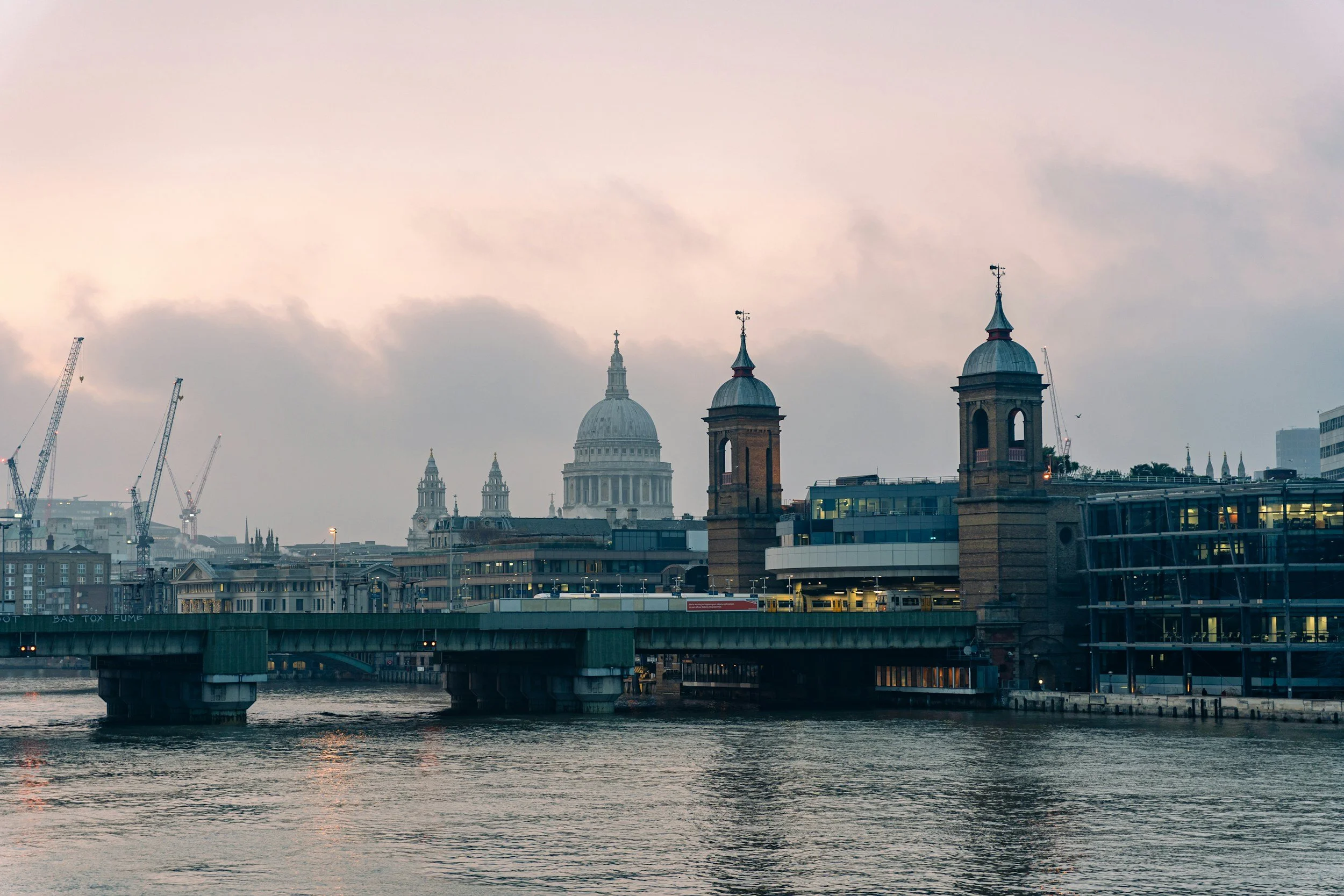
London doesn't necessarily need snow to look different in winter. Sometimes it's the early sunsets, mist hanging over the river, bare trees, golden lights reflecting on wet pavements or the quiet atmosphere of a park on a cold morning that completely changes how a place feels.
There are locations in London that you might visit several times throughout the year, yet return to in winter and barely recognise them. The light changes, the scenery changes, and even familiar streets can feel as though they've been transformed.
From woodland paths and historic gardens to canals, riverside views and some of London's most beautiful green spaces, these are nine locations that take on a noticeably different atmosphere during winter.
1. Richmond Park
Richmond Park can feel like a completely different landscape once winter arrives. The thick greenery of summer disappears, the trees become silhouettes against the sky, and the enormous grasslands can look particularly dramatic on cold, misty mornings.
The park's wide open landscape is one of the reasons it feels so different during the colder months. Without the dense foliage, the views across the park become more open, while the trees, hills and grasslands create a much more exposed, natural-looking setting.
The deer are still part of the landscape, and seeing them against a winter backdrop can be particularly memorable. Early mornings are often the most atmospheric, especially after a cold night when frost might appear across the grass.
If you're planning a walk, you can explore the paths around Pen Ponds, head towards Isabella Plantation or simply wander through the open grassland. The park is large enough that you can easily spend a few hours here without following a fixed route.
Richmond Park is also a reminder that London isn't just a city of streets and buildings. In winter, its landscape can feel closer to the countryside than to the capital.
Best time to visit: Early morning, particularly after a cold night when frost or mist may appear.
2. Hampstead Heath
Hampstead Heath is a favourite in warmer months, but winter reveals a different side of it. The bare trees open up views that are hidden by foliage in summer, the paths become more exposed, and the heath takes on a more rugged appearance.
From Parliament Hill, the London skyline can look particularly striking on crisp winter days. The buildings, landmarks and distant cityscape stand out against the colder winter light, while the surrounding heath feels quieter and less crowded than during a sunny weekend in summer.
The woodland areas also change considerably. With leaves no longer covering the branches, you can see more of the landscape and the shapes of the trees. The paths, ponds and open fields create a more natural winter setting.
Hampstead Heath is particularly good for a long winter walk. You could start near Hampstead, explore the woodland paths, head towards Parliament Hill for the view and finish in one of the nearby neighbourhoods for a coffee.
It's one of those places where a little cold weather can actually improve the experience.
Best time to visit: A clear winter morning or late afternoon before sunset.
3. Greenwich Park
Greenwich Park changes noticeably when winter arrives. The landscape becomes less leafy, the historic trees stand out more clearly, and the hill overlooking the city offers a different kind of view.
From the higher ground near the Royal Observatory, the view across London feels particularly sharp on a clear, cold day. The buildings, river and skyline stand out against the winter light, while the park itself takes on a quieter appearance.
During summer, the trees and surrounding greenery create a softer landscape. In winter, the bare branches and open spaces give the park a more architectural look, allowing the historic landscape and the city beyond it to become more prominent.
You can walk through the park, visit the viewpoint, explore the areas around the Royal Observatory and then continue towards Greenwich town centre. The park is also a lovely place to photograph London's skyline, particularly when the sun sits low in the sky.
The experience doesn't depend on snow or frost. Even an ordinary clear winter afternoon can make the view feel different.
Best time to visit: Mid-morning on a clear day or shortly before sunset.
4. Kew Gardens
Kew Gardens is one of the places in London where winter isn't simply a season when everything disappears. The gardens have areas specifically worth exploring during colder months, and some plants become more interesting precisely because they aren't competing with summer flowers.
The Winter Garden is particularly worth visiting. Seasonal planting includes winter-interest plants, colourful stems, evergreen foliage and shrubs that bring colour and texture to the landscape even when many other plants have lost their leaves.
The Pinetum is another area worth exploring, with towering evergreen trees that continue to make the gardens feel lush even during colder weather. The contrast between evergreen foliage, bare branches and winter planting makes the gardens visually interesting throughout the season.
The glasshouses are another reason to visit. When the weather outside is cold, stepping into one of Kew's tropical environments creates a completely different experience, with warmer temperatures and plants that look nothing like the surrounding winter landscape.
Kew is not just a place to visit when flowers are blooming. Winter is a particularly interesting season for exploring its plant collections, architecture and quieter landscapes.
Best time to visit: December to February, particularly if you want to explore the Winter Garden and glasshouses.
5. Primrose Hill
Primrose Hill is known for its panoramic views, but winter can make the experience particularly special.
The low winter sun, clearer skies after cold weather and bare trees can create a different perspective on the London skyline. From the summit, you can look across the city and spot landmarks stretching into the distance.
The hill itself is relatively simple: a grassy slope, paths and a protected viewpoint. But that simplicity is exactly what makes it appealing. There is little to obstruct the view, and on a crisp winter afternoon, the skyline can look particularly sharp.
Winter also means the sun sets much earlier, so you don't need to wait until late in the evening to experience the changing light. If you arrive on a clear afternoon, you can watch the city gradually shift as the daylight fades.
Primrose Hill is easy to combine with a walk around Regent's Park or the streets of Primrose Hill village, making it a good option for a winter afternoon.
Best time to visit: Late afternoon on a clear winter day, just before sunset.
6. St Dunstan in the East
St Dunstan in the East is one of London's most unusual gardens, and winter gives its ruined church a different atmosphere.
The garden sits within the remains of a church that was damaged during the Second World War. Its surviving tower, stone walls and open arches are now surrounded by plants, making it a peaceful little green space in the middle of the City.
During summer, the climbing greenery can dominate the ruins. In winter, the garden becomes more exposed, allowing the stonework, empty windows and architecture to take centre stage.
The contrast between the historic church remains and the surrounding modern City buildings is particularly striking. You can stand inside the ruined structure, look through the old windows and see London's contemporary skyline beyond it.
It is a relatively small garden, so you won't need to spend an entire afternoon here. But it is an excellent stop during a walk around the City, particularly if you enjoy photography or historic architecture.
On a cold, overcast day, the bare branches and stone ruins create a quiet atmosphere that feels very different from the busy streets outside.
Best time to visit: A quiet weekday morning. Check access and opening times before visiting.
7. South Bank and the Thames
The South Bank is a completely different experience during winter evenings. The river, bridges and landmarks become part of a cityscape illuminated against the darker sky, and the earlier sunsets mean you don't have to stay out particularly late to see London after dark.
Walk along the Thames between Westminster Bridge and Tower Bridge, and you'll notice how the atmosphere changes as the light fades. The reflections on the river, illuminated buildings and passing boats create a different mood from the busy summer afternoons.
The riverside also feels more seasonal during the colder months. You can stop to admire the skyline, watch the river traffic or walk past some of London's most recognisable landmarks without needing to plan a full day of sightseeing.
During the festive season, the Southbank Centre Winter Market adds another layer to the riverside. In 2026, the market runs from 2 November 2026 to 3 January 2027 along Queen's Walk, beneath Hungerford Bridge. It brings seasonal food, drinks and market stalls to the riverside.
The South Bank is particularly enjoyable when you combine a daytime walk with the early evening atmosphere. You can start while there's still daylight, explore the riverside and watch the city lights come on.
Best time to visit: Late afternoon into early evening, when the lights come on.
8. Little Venice
Little Venice is known for its colourful canal boats, waterways and leafy surroundings. In winter, the area loses much of its summer greenery and takes on a quieter, more understated appearance.
The canal, narrowboats and surrounding architecture create an interesting winter scene, particularly when the water is still and the weather is grey. You can walk along the towpath, explore the area around the junction of the Grand Union and Regent's canals, and see the neighbourhood without the feel of a busy tourist attraction.
The scenery is more subtle here than at some of London's major landmarks. The transformation isn't about dramatic snowfall or festive decorations; it is about the canal landscape, the boats, the bare trees and the quieter pace of the neighbourhood.
Little Venice is a good starting point for a longer walk along the canal. Depending on how far you want to go, you can follow the towpath towards Paddington or continue along sections of Regent's Canal.
It's an easy way to spend an afternoon outdoors without feeling as though you're walking through central London.
Best time to visit: A quiet morning or an overcast winter afternoon.
9. Tower Bridge and the Thames
Tower Bridge is one of London's most photographed landmarks, but winter changes the way it looks and the way you experience it.
The earlier sunsets mean the bridge is illuminated much sooner in the day, making winter evenings an easier time to capture the landmark against a darkening sky. The river, nearby buildings and the bridge's lights create a different visual atmosphere from the bright summer days.
The surrounding riverside is also worth exploring. Walk along the Thames, stop near the bridge for different viewpoints and continue towards London Bridge or St Katharine Docks. The river becomes a particularly interesting backdrop when the city lights begin to appear.
If snow happens to arrive, Tower Bridge can look spectacular, although snowfall in London is relatively rare and should never be assumed.
Even without snow, the combination of the river, illuminated architecture and winter sky makes the area worth visiting. You can also combine your walk with nearby historic streets and riverside areas, making it a good location for a winter city walk.
Best time to visit: Blue hour or early evening on a clear winter day.
A winter map of London
These nine locations are spread across London, so you don't need to visit them all in one day. Some are ideal for a long walk, while others can be combined with nearby neighbourhoods, attractions or cafés.
If you're looking for somewhere to visit when London feels different from the rest of the year, these places are a good starting point. You don't necessarily need snow, a major event or a special attraction to experience a different side of the city.
Sometimes, a winter morning, a quiet path or an early sunset is enough.
Planning your next London day out? Discover more neighbourhood guides, hidden gems, food spots and things to do on LondonYaar.com.
Follow @rohan.londonyaar for more London places, stories and things worth knowing before you visit.