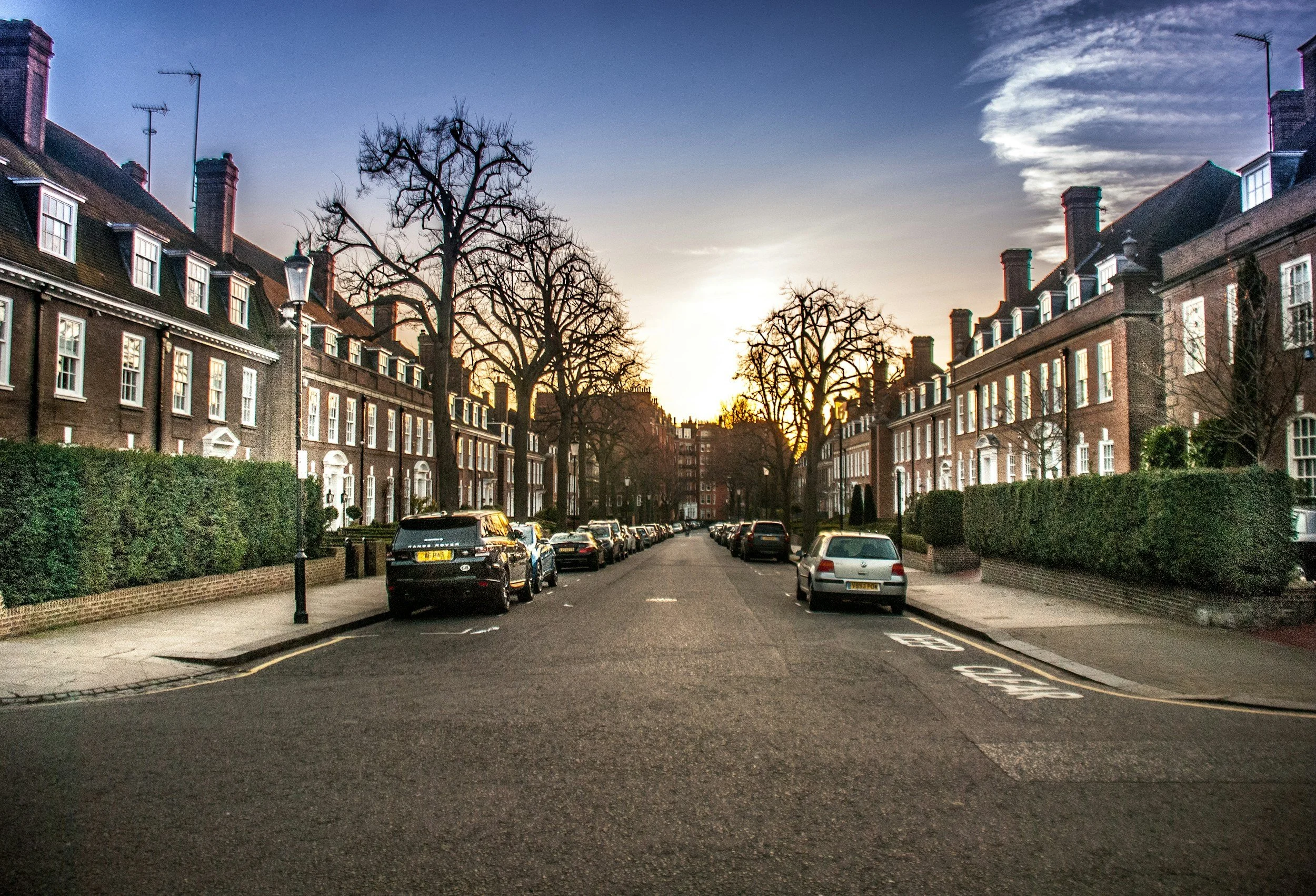
London has a different personality in winter. The days become shorter, the evenings arrive earlier and familiar streets start looking completely different. Historic buildings glow under streetlights, little cafés become inviting places to escape the cold, and riverside walks take on a quieter atmosphere.
While central London gets plenty of attention for its Christmas lights and festive attractions, some of the city's most beautiful winter experiences can be found in its neighbourhoods.
Think of wandering through Hampstead's village streets on a chilly afternoon, watching the sun set over the Thames in Richmond, exploring the colourful streets of Notting Hill or discovering the peaceful canals of Little Venice.
These are places that don't necessarily need Christmas decorations to look beautiful. Their architecture, independent shops, historic pubs, cobbled streets and green spaces give them a character that feels particularly special during the colder months.
If you're looking to explore a different side of London this winter, here are 12 neighbourhoods worth adding to your list.
1. Hampstead – For Cosy Village Streets and Winter Walks
Location: North London
Nearest Underground station: Hampstead (Northern line)
Hampstead is one of those London neighbourhoods that feels a little removed from the busy streets of central London. Its village-like atmosphere, historic buildings, independent shops and traditional pubs make it particularly enjoyable during winter.
Start around Hampstead High Street before wandering towards Flask Walk, a charming pedestrian passage lined with independent shops, cafés and places to stop for a coffee.
The surrounding streets are full of attractive Georgian houses, old shopfronts and characterful architecture. When the evenings get darker, the warm light coming from cafés and traditional pubs adds to the atmosphere.
But one of the biggest reasons to visit Hampstead in winter is Hampstead Heath.
The vast green space looks completely different as the seasons change. Trees lose their leaves, open paths become quieter and the landscape takes on a more understated winter appearance.
Head towards Parliament Hill if you want to enjoy one of London's best-known elevated viewpoints. On a clear day, you can see across the city skyline.
If you have time, continue towards Kenwood House or stop at one of the neighbourhood's historic pubs before heading home.
Why visit in winter? Hampstead combines beautiful residential streets, cosy cafés, historic pubs and open green spaces. It is ideal for a slow winter afternoon when you want to escape the crowds.
2. Greenwich – For Historic Architecture and Riverside Views
Location: South-east London
Nearest transport: Cutty Sark DLR and Greenwich railway station
Greenwich is beautiful throughout the year, but winter gives its historic streets and riverside setting a different atmosphere.
The neighbourhood has a remarkable collection of historic architecture, open spaces and maritime landmarks, making it one of the most rewarding places to explore outside central London.
Start at the Old Royal Naval College, where the grand architecture and riverside setting make an impressive backdrop for photographs.
The Painted Hall is particularly worth visiting if you enjoy historic interiors and architecture.
From there, take a walk towards the Cutty Sark and Greenwich Market. The market's covered setting makes it a useful stop when the weather turns cold, with independent traders, food stalls and handmade products.
You can also head towards Greenwich Park, where the landscape opens up and the views across the River Thames and Canary Wharf are particularly striking.
On a clear winter afternoon, the contrast between the historic buildings in the foreground and London's modern skyline in the distance makes for a beautiful view.
Why visit in winter? Greenwich offers a combination of historic streets, impressive architecture, riverside scenery and open parkland. It is a lovely neighbourhood for a full winter day out.
3. Richmond – For Peaceful Riverside Walks and Open Landscapes
Location: South-west London
Nearest Underground station: Richmond (District line)
If you want a neighbourhood that feels like a countryside escape without leaving London, Richmond should be high on your list.
The area has a lovely combination of independent shops, historic pubs, attractive streets and a riverside setting that becomes particularly appealing during the colder months.
One of the best places to begin is Richmond Riverside.
Walk along the Thames, admire the boats and historic buildings, and take in the quieter atmosphere. You can stop at one of the riverside cafés or pubs for a warm drink before continuing your walk.
Richmond Park is another major reason to visit.
As one of London's largest Royal Parks, it offers enormous open spaces, ancient trees, woodland paths and roaming deer. During winter, the landscape changes considerably, with bare branches and softer seasonal colours creating a different setting from the summer months.
If you enjoy photography, look out for the deer and the sweeping views from elevated parts of the park.
You could also explore the town centre, browse its independent shops or visit historic Ham House nearby.
A winter visit tip: If you're planning to explore Richmond Park between November and December 2026, check the seasonal deer management arrangements before setting off. The annual deer cull takes place during this period, and some pedestrian gates close overnight, generally from 8pm to 7:30am. Keep at least 50 metres away from the deer and follow any signs or access restrictions in place during your visit.
Why visit in winter? Richmond offers something different from the typical London sightseeing experience. Its riverside walks and huge parkland make it ideal for anyone who enjoys quieter outdoor spaces.
4. Marylebone – For Elegant Streets and Independent Shops
Location: Central London
Nearest Underground station: Baker Street or Bond Street
Marylebone is one of those neighbourhoods that feels effortlessly stylish.
Despite being so close to the busy shopping streets of Oxford Street, it has a much calmer atmosphere, with elegant architecture, independent boutiques, bookshops and attractive cafés.
Marylebone High Street is a particularly lovely place to explore. Its shopfronts, restaurants and smaller independent businesses give the neighbourhood a distinctive character.
During winter, the darker evenings make its streets feel especially inviting. You can wander between boutiques, stop for a coffee or spend some time browsing the bookshops.
Daunt Books is one of the neighbourhood's best-known independent bookshops and is worth visiting if you enjoy travel writing and beautiful interiors.
The Wallace Collection is another excellent stop, particularly on a cold or rainy afternoon when you would rather explore somewhere indoors.
You can also walk towards Paddington Street Gardens or nearby Regent's Park if you want some fresh air.
Why visit in winter? Marylebone is ideal for a relaxed winter day combining independent shopping, beautiful architecture, bookshops and cosy places to eat.
5. Chelsea – For Beautiful Residential Streets and Stylish Shopfronts
Location: West London
Nearest Underground stations: Sloane Square and South Kensington
Chelsea is one of London's most recognisable neighbourhoods, but there is much more to explore than its famous shopping streets.
During winter, its historic architecture, attractive residential roads and elegant shopfronts create a particularly appealing atmosphere.
Begin around King's Road, where you can explore independent shops, restaurants, galleries and familiar British retailers.
Then take a detour towards the smaller residential streets.
Godfrey Street and Bywater Street are two particularly attractive spots, known for their colourful houses and picturesque surroundings.
You can also explore the area around Duke of York Square and Sloane Square before continuing towards Chelsea's quieter backstreets.
For a different perspective, head towards the Thames Path and enjoy a riverside walk.
If you're visiting later in November or December, Chelsea's festive decorations and the seasonal activities around the Royal Hospital Chelsea add another reason to explore the area.
Why visit in winter? Chelsea is perfect for a leisurely walk through attractive streets, elegant architecture, independent shops and traditional London surroundings.
6. Notting Hill – For Colourful Houses and Charming Streets
Location: West London
Nearest Underground stations: Notting Hill Gate and Ladbroke Grove
Notting Hill is famous for its colourful houses, independent shops and lively market culture, but it is worth exploring during winter too.
The pastel-coloured terraces look particularly striking against the softer winter light, while the neighbourhood's smaller streets offer plenty of interesting corners to photograph.
Start around Portobello Road, where you can explore the market and browse its antique, vintage and independent traders.
Then leave the main road behind and wander through the surrounding residential streets.
Lancaster Road is one of the area's most recognisable streets, with rows of colourful houses that make it a favourite for photography.
St Luke's Mews is another lovely spot, with its picturesque residential architecture and cobbled setting.
When you need a break from the cold, head towards Westbourne Grove, where you will find independent shops, cafés and restaurants.
The neighbourhood is also particularly enjoyable during the quieter hours of the day, when you can appreciate its architecture without navigating the busiest crowds.
Why visit in winter? Notting Hill offers colourful architecture, charming residential streets, independent shopping and plenty of places to warm up with a coffee.
A small reminder when photographing the area: these are people's homes, so be considerate of residents and avoid blocking doorways.
7. Covent Garden and Seven Dials – For Historic Streets and Evening Atmosphere
Location: West End, Central London
Nearest Underground station: Covent Garden
If there is one part of London that seems to become even more atmospheric when winter arrives, it is Covent Garden.
The historic market buildings, cobbled streets, independent boutiques and surrounding theatre district make this area a natural choice for a winter outing.
Start at Covent Garden Piazza and explore the Market Building before heading towards Seven Dials.
Seven Dials is made up of seven historic streets that meet around a central sundial monument. Its narrow streets, independent shops and restaurants give the area plenty of character.
You can continue towards Neal's Yard, one of the most colourful corners of Covent Garden, before exploring the smaller streets around Floral Street and Monmouth Street.
The area is particularly enjoyable after dark, when the shopfronts and historic buildings are illuminated.
During the Christmas period, its seasonal decorations add another layer to the experience, although the neighbourhood remains worth visiting even outside the festive season.
Why visit in winter? Covent Garden combines historic architecture, theatre culture, shopping, restaurants and beautifully atmospheric streets. It is particularly good for an evening walk.
8. Shoreditch and Spitalfields – For Creative Streets and Historic East London
Location: East London
Nearest transport: Shoreditch High Street Overground and Liverpool Street
Not every beautiful winter neighbourhood needs elegant townhouses and traditional village streets.
Shoreditch and Spitalfields offer a completely different side of London, with colourful street art, historic market buildings, independent shops and creative spaces.
Start around Spitalfields Market, where you can explore independent traders, food stalls and covered market spaces.
The surrounding streets have a fascinating mix of historic architecture and modern developments.
Continue towards Brick Lane, which is known for its street art, vintage shops, food spots and lively atmosphere.
The contrast between old East London buildings and contemporary creative spaces makes this part of the city particularly interesting to photograph.
Shoreditch is also a good place to explore during darker evenings, when its restaurants, bars and independent venues bring the streets to life.
If you enjoy photography, spend some time exploring the smaller side streets and looking for murals and unusual architectural details.
Why visit in winter? Shoreditch and Spitalfields offer a more urban winter atmosphere, with covered markets, independent businesses, street art and plenty of places to eat and drink.
9. Kew – For a Village Feel and Beautiful Winter Gardens
Location: South-west London
Nearest Underground station: Kew Gardens (District line and London Overground)
Kew is one of west London's loveliest places for a slower winter day out. It has the feel of a small village, with independent shops, cafés, restaurants and attractive residential streets clustered around Kew Gardens station.
Start by exploring Kew Green and the village centre. The streets here have a relaxed atmosphere, and the independent businesses make it easy to spend an hour or two browsing and stopping for something warm.
But the main reason Kew deserves a place on this list is its botanical surroundings.
The Royal Botanic Gardens, Kew, are worth visiting in winter, particularly if you enjoy seeing how gardens change throughout the seasons.
One highlight is the dedicated Winter Garden, which features plants selected to provide interest even during colder months. You can find hardy winter plants, including hellebores, snowdrops and winter-flowering species, alongside views towards some of Kew's famous buildings.
The glasshouses offer another reason to visit when the weather is cold, providing an opportunity to explore tropical and temperate plant collections indoors.
If you're visiting during the winter season, check the Gardens' opening hours carefully. Winter opening is shorter than during the summer, and some historic attractions close seasonally.
Why visit in winter? Kew combines a village atmosphere with a botanical garden that has been designed to offer seasonal interest, making it a lovely choice for anyone who enjoys nature and quieter surroundings.
Good to know: Kew Gardens is a ticketed attraction, separate from simply walking around Kew village. Check the official opening times and admission arrangements before visiting.
10. Primrose Hill – For Village Streets and Beautiful Skyline Views
Location: North London
Nearest transport: Chalk Farm Underground and Camden Town Underground
Primrose Hill is one of those neighbourhoods that feels wonderfully tucked away despite being so close to busy areas such as Camden and Regent's Park.
Its attractive residential streets, independent cafés, boutiques and village-like atmosphere make it a lovely place to explore when the temperature drops.
Begin around Regent's Park Road, the neighbourhood's main shopping street. You'll find independent shops, restaurants, cafés and places to stop for a warm drink.
From there, wander through the surrounding residential streets, where attractive houses and quieter pavements create a different atmosphere from the busier parts of north London.
Of course, the biggest attraction is Primrose Hill itself.
The hill is famous for its panoramic view across London, with the city skyline stretching out in front of you. On a clear winter day, the view can be particularly impressive, especially when the low afternoon sun creates interesting light across the city.
It is a lovely place to finish a neighbourhood walk, although it is worth checking park access arrangements if you plan to visit early or late.
Why visit in winter? Primrose Hill combines a charming village atmosphere with one of London's most recognisable skyline viewpoints. It is particularly appealing for photography and relaxed afternoon walks.
11. Wimbledon Village – For Traditional Pubs and Countryside Charm
Location: South-west London
Nearest transport: Wimbledon Underground and railway station, followed by a walk or local bus
Wimbledon Village offers a very different experience from the busy streets of central London.
It has an unmistakable village atmosphere, with attractive buildings, independent boutiques, traditional pubs, cafés and restaurants lining its high street.
During winter, the neighbourhood is particularly inviting. You can spend an afternoon browsing the shops, stopping for coffee or finding a cosy pub for lunch.
One of the best things about Wimbledon Village is its proximity to Wimbledon Common.
The Common offers wide open spaces, woodland paths and peaceful walking routes that feel a world away from the city's busy shopping districts.
The Wimbledon Windmill is another interesting landmark to look out for. Its historic appearance adds to the area's distinctive character.
If you enjoy photography, the combination of village architecture, traditional shopfronts and winter landscapes makes this part of south-west London worth exploring.
You could also visit Cannizaro Park, a beautiful green space with landscaped gardens and mature trees, located close to the village.
Why visit in winter? Wimbledon Village is ideal if you enjoy traditional London pubs, independent shopping and countryside-style walks without leaving the capital.
12. Little Venice – For Peaceful Canals and Waterside Cafés
Location: West London, near Paddington
Nearest Underground stations: Warwick Avenue and Paddington
Little Venice is one of London's most picturesque waterside neighbourhoods, and winter gives its canals a particularly peaceful atmosphere.
Located where the Grand Union Canal meets Regent's Canal, this area is known for its narrowboats, elegant waterside buildings and quiet walking routes.
Start around the triangular pool at Little Venice, where you can admire the boats and the surrounding architecture.
The reflections of the buildings and boats on the water make this a lovely place for photography, particularly on a calm winter morning.
Follow the towpath and explore the surrounding canalside streets. You can walk towards Maida Vale, enjoy views of the boats and stop at a waterside café or traditional pub.
If you're feeling energetic, continue along Regent's Canal towards Camden. The walk is approximately two miles and takes you through a very different side of London, passing Regent's Park and London Zoo along the way.
You don't have to complete the whole route, though. Even a short walk around Little Venice is a lovely way to spend a winter afternoon.
Why visit in winter? Little Venice offers a quieter side of London, with peaceful canals, waterside architecture and cosy places to stop for a drink. It is especially appealing if you want a break from busy shopping streets and crowded attractions.
Tips for Exploring London's Neighbourhoods in Winter
A winter neighbourhood walk can be one of the nicest ways to experience London, but a little planning makes the experience much better.
Here are a few things to remember before heading out.
1. Start earlier than you would in summer
Winter daylight is limited, so if you want to photograph parks, architecture and residential streets in natural light, aim to start your walk earlier in the afternoon.
2. Save some places for after dark
Not every neighbourhood needs daylight to look beautiful. Covent Garden, Marylebone and Chelsea are particularly enjoyable when the shopfronts and streets are illuminated.
3. Wear comfortable shoes
You will probably cover more ground than expected, particularly in areas such as Greenwich, Hampstead, Richmond and Little Venice.
4. Plan somewhere to warm up
One of the best parts of exploring London in winter is stopping at an independent café, bakery or traditional pub for a hot drink or something to eat.
5. Check park and attraction opening arrangements
Parks and attractions can have different seasonal opening times. Check official websites before travelling, especially if you're planning an early morning or evening visit.
6. Don't expect snow
London can have cold, frosty mornings, but snow is not guaranteed during winter. These neighbourhoods are worth visiting for their architecture, scenery and atmosphere regardless of whether it snows.
Frequently Asked Questions
Which London neighbourhoods are the prettiest in winter?
Hampstead, Richmond, Greenwich, Chelsea, Notting Hill and Little Venice are among the most attractive neighbourhoods to explore during winter. Each offers something different, from historic streets and riverside scenery to colourful houses and peaceful canals.
Where can I enjoy a peaceful winter walk in London?
Hampstead Heath, Richmond Park, Greenwich Park, Wimbledon Common and the Little Venice canal towpath are excellent options if you want open spaces and quieter walking routes.
Which London neighbourhood is best for winter photography?
Notting Hill is great for colourful residential streets, Greenwich for historic architecture and skyline views, Primrose Hill for panoramic city views, and Little Venice for canalside scenery.
Is London worth visiting in winter?
Absolutely. Winter is a wonderful time to explore London's historic neighbourhoods, museums, markets, independent shops and parks. The shorter days also create opportunities to enjoy the city's illuminated streets and evening atmosphere.
Which London neighbourhoods are best for an evening walk?
Covent Garden, Seven Dials, Marylebone, Chelsea and parts of Shoreditch are good options for evening walks, thanks to their restaurants, illuminated streets and lively surroundings.
Are London's parks worth visiting in winter?
Yes. Parks such as Hampstead Heath, Greenwich Park, Richmond Park and Wimbledon Common offer beautiful seasonal scenery, open landscapes and excellent views. Just dress warmly and check opening arrangements before visiting.
Which London neighbourhoods feel most like a village?
Hampstead, Kew, Wimbledon Village and Primrose Hill are particularly good choices if you enjoy village-like high streets, independent businesses and a slower pace of life.
Discover a Different Side of London This Winter
London has plenty of famous winter attractions, but some of its most enjoyable experiences come from simply exploring its neighbourhoods.
You might find yourself wandering through the village-like streets of Hampstead, enjoying the riverside atmosphere in Richmond, discovering colourful residential corners in Notting Hill or following the peaceful canals of Little Venice.
Each neighbourhood offers something different, and that is what makes exploring London so rewarding.
You don't always need a big event, a ticket or a carefully planned itinerary to enjoy the city. Sometimes, all you need is a warm coat, comfortable shoes and an afternoon to explore somewhere new.
So, this winter, take a break from the usual tourist routes and discover a few of London's neighbourhoods. You might find that the city looks even more beautiful when the temperature drops.
Planning your next London day out? Discover more neighbourhood guides, hidden gems, food spots and things to do on LondonYaar.com.
Follow @rohan.londonyaar for more London places, stories and things worth knowing before you visit.