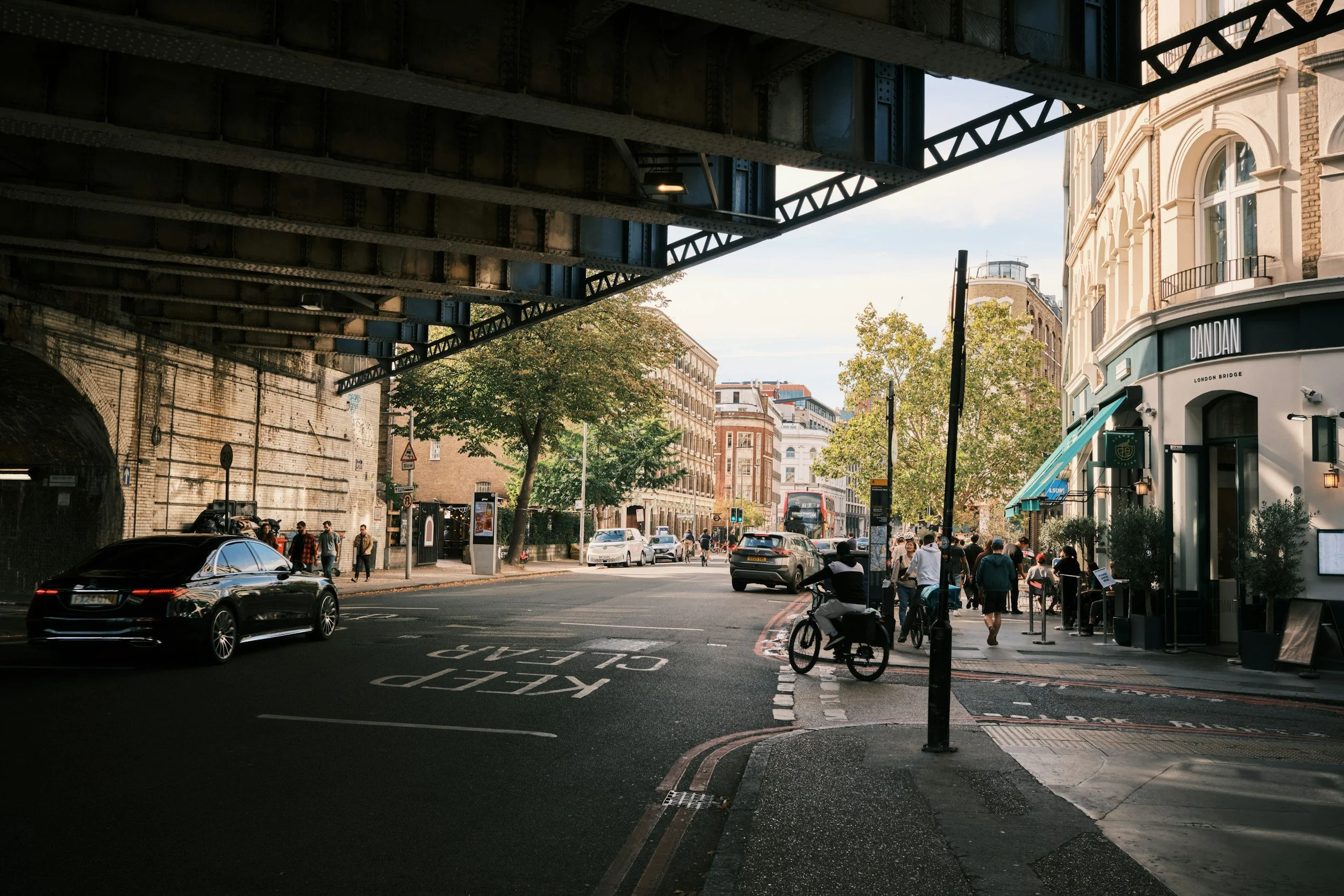
There are days when walking around London's famous shopping streets is exactly what you want. Oxford Street has its enormous shops, Regent Street has its grand architecture, and Covent Garden is full of places to browse, eat and explore.
But there are also days when you would rather not spend your afternoon weaving through crowds, waiting to cross a busy road or trying to find a little space on the pavement.
Fortunately, London has plenty of streets that offer a different experience. Some are lined with independent shops and small cafés, others have historic buildings and old-fashioned shopfronts, while a few are simply lovely places for a quiet wander away from the main shopping districts.
You do not always have to travel to the edge of London to find them. Some of these streets are just a short walk from the West End, while others take you into neighbourhoods where the city feels more like a collection of villages.
Of course, none of them is guaranteed to be empty. A sunny Saturday or lunchtime can bring plenty of people to even the smallest streets. The difference is in the scale, character and atmosphere.
Here are 11 London streets worth exploring when you want a change from the busiest shopping destinations.
1. Chiltern Street, Marylebone
Nearest stations: Baker Street and Marylebone
If you want to escape the crowds around Oxford Street without travelling far, Chiltern Street is a lovely place to start.
Located in Marylebone, this street has a distinctive collection of Victorian buildings, independent boutiques, specialist shops and places to eat. Its red-brick architecture gives it a character that feels quite different from the large retail frontages of central London's busiest shopping roads.
The shops are part of the attraction. Rather than finding rows of familiar international chains, you can browse independent fashion, design, fragrance and lifestyle businesses. It is the sort of street where you might come across something interesting without having planned to look for it.
Chiltern Street is also a good example of why Marylebone deserves more attention beyond its best-known high street. The surrounding roads have their own character, and you can easily spend an hour or two exploring the neighbourhood.
It is a relatively short street, so do not plan your entire day around it. Instead, combine it with Marylebone Lane, Marylebone High Street or a visit to the Wallace Collection.
What makes it worth visiting: Independent shops, Victorian architecture and a more individual shopping experience close to the West End.
2. Marylebone Lane, Marylebone
Nearest stations: Bond Street and Baker Street
Marylebone Lane is another good option if you want to remain in central London but avoid the scale of the major shopping streets.
One of its most appealing features is its winding layout. Unlike the broad, straight roads that dominate much of the West End, the lane follows an older street pattern, creating a more intimate route through Marylebone.
You will find a mixture of small shops, boutiques, cafés and restaurants along the way. It is not a street where you need to arrive with a shopping list. You can simply wander, look through the windows, stop for a coffee and see where the lane takes you.
The surrounding neighbourhood is worth exploring too. Marylebone has attractive architecture, independent businesses and cultural stops, including the Wallace Collection. You can also walk towards Manchester Square or explore the smaller streets branching off the lane.
Marylebone is popular, and its best-known shopping areas can get busy, especially at weekends. However, the smaller streets offer a more relaxed way to experience this part of central London.
What makes it worth visiting: A winding historic street, independent businesses and an easy escape from the larger West End shopping routes.
3. Connaught Street, Connaught Village
Nearest stations: Marble Arch and Edgware Road
Just north of Hyde Park, Connaught Street sits within Connaught Village, a neighbourhood with a noticeably different feel from the main shopping areas around Oxford Street.
The area is known for its Georgian streetscape and independent businesses. Along Connaught Street and the nearby roads, you will find boutiques, specialist retailers, cafés and restaurants rather than the huge flagship stores that dominate the West End.
It is a good choice if you enjoy browsing smaller shops and discovering neighbourhood businesses. The atmosphere is more residential, and the surrounding architecture gives the area a distinctive character.
You can also make a longer outing of it by combining your visit with Hyde Park. After exploring the village, walk towards the park for some open space and a change of scenery.
Connaught Village is not an undiscovered secret, and it attracts shoppers and diners throughout the week. Still, it offers a more neighbourhood-focused alternative to the major retail streets nearby.
What makes it worth visiting: Independent boutiques, Georgian surroundings and its convenient location close to Hyde Park.
4. Lamb's Conduit Street, Bloomsbury
Nearest stations: Russell Square and Holborn
Lamb's Conduit Street is one of the best central London options for anyone who enjoys independent shops and smaller neighbourhood businesses.
Located in Bloomsbury, the street has a collection of independent retailers, food businesses, cafés and traditional pubs. Its character comes from the variety of businesses rather than large chain stores or department shops.
You can browse clothing, specialist food shops and other independent businesses, then stop for lunch or a coffee. The street also has attractive historic buildings and a more local feel than the major shopping roads nearby.
One of the reasons it works so well for a slower afternoon is that you can combine it with the surrounding Bloomsbury streets. The area has a rich literary and cultural history, and the Foundling Museum and British Museum are both within reach.
Lamb's Conduit Street is not completely quiet, particularly around lunchtime, when its cafés and restaurants attract local workers and visitors. But it is a much more intimate place to browse than the large shopping destinations.
What makes it worth visiting: Independent businesses, traditional pubs and a characterful Bloomsbury setting.
5. Woburn Walk, Bloomsbury
Nearest stations: Euston Square and Russell Square
Woburn Walk is a particularly interesting find if you enjoy historic streets and unusual architecture.
This short pedestrianised street in Bloomsbury is known for its well-preserved early nineteenth-century shopfronts. The buildings give it a distinctive appearance, making it feel quite different from the modern retail streets surrounding it.
The shopfronts are the main attraction. You can take your time looking at the architecture, browsing the businesses that occupy the street and appreciating the scale of a historic shopping street that has retained much of its original character.
Woburn Walk is also associated with literary history, making it an interesting detour for anyone exploring Bloomsbury's connections with writers and publishers.
It is a small street, so you will not need a long visit. However, it is easy to combine with Lamb's Conduit Street, Russell Square or a wider walk around Bloomsbury.
What makes it worth visiting: Historic shopfronts, pedestrian access and a distinctive piece of Bloomsbury's architectural history.
6. Cecil Court, Covent Garden
Nearest stations: Leicester Square and Charing Cross
Cecil Court is proof that you can find interesting little streets even in one of London's busiest areas.
Situated between Charing Cross Road and St Martin's Lane, this pedestrian passage is famous for its traditional shopfronts and specialist bookshops. It is particularly appealing to anyone interested in rare books, old maps, prints, coins and literary curiosities.
The buildings have a Victorian character, with traditional windows and shopfronts that make the street feel quite different from the busy roads around it.
You can spend time browsing the independent dealers, looking through bookshop windows and discovering unusual items that you would not normally find in a mainstream shopping centre.
Cecil Court is not necessarily a secret, and its small size means it can feel busy when several visitors arrive at once. However, it is still a worthwhile alternative if you want to explore a more specialised side of central London.
Its location also makes it easy to combine with Trafalgar Square, the National Gallery or a walk around Covent Garden.
What makes it worth visiting: Specialist bookshops, Victorian shopfronts and an unusual shopping experience in the heart of the West End.
7. Flask Walk, Hampstead
Nearest station: Hampstead
If you want a street that feels more like a village lane than part of a major city, head to Hampstead.
Flask Walk is a short pedestrian street just off Hampstead High Street. It is known for its cobbled sections, independent shops, vintage and antique finds, cafés and bakeries.
The lane is only around 100 metres long, but there is plenty of character packed into that small stretch. You can browse the shopfronts, look for second-hand treasures and stop for something to eat before exploring the rest of Hampstead.
The Flask pub sits at the end of the lane, providing another reason to linger in the area. Beyond the street itself, Hampstead has attractive historic houses, smaller lanes and a village-like atmosphere that feels quite different from central London's shopping districts.
If you have more time, continue towards Hampstead Heath. It is one of the easiest ways to turn a short street visit into a longer afternoon outdoors.
Hampstead is a popular destination, particularly at weekends, so Flask Walk is not guaranteed to be quiet. A weekday morning is a better choice if you want to browse at a slower pace.
What makes it worth visiting: Cobbled surroundings, independent shops, antiques and the village atmosphere of Hampstead.
8. Church Row, Hampstead
Nearest station: Hampstead
While you are in Hampstead, take a walk along Church Row.
This is not a shopping street, and that is precisely why it deserves a place in this guide. Church Row is known for its elegant Georgian houses and its historic connection with St John-at-Hampstead Church.
The street has an attractive collection of period buildings, with traditional façades and a residential character that makes it a lovely place to explore on foot.
At the top of Church Row stands St John-at-Hampstead Church. Its churchyard is also the resting place of the painter John Constable, making it an interesting stop for anyone who enjoys London's artistic and literary history.
There are no long rows of shops to browse here. Instead, the appeal is the architecture, the history and the chance to enjoy a quieter residential part of Hampstead.
You can combine Church Row with Flask Walk and the surrounding lanes for a relaxed walking route. Just remember that this is a residential street, so be considerate of the people who live there.
What makes it worth visiting: Georgian architecture, a historic church and a peaceful residential walk.
9. Narrow Street, Limehouse
Nearest station: Limehouse DLR
If you would rather replace shopping crowds with riverside scenery, Narrow Street in Limehouse is worth exploring.
The street runs through an area with a strong connection to London's maritime history. Its older warehouses, former wharf buildings and riverside setting provide a glimpse of the city's past as a major port.
This is not somewhere to visit for a long list of shops. Its appeal is the atmosphere and the opportunity to see a different side of London.
You can explore the historic streetscape, take a look around Limehouse Basin and enjoy the proximity of the Thames. The area also has traditional pubs and places to stop for food or a drink.
Narrow Street works particularly well for anyone who enjoys London's industrial and maritime history. It is a reminder that the city is much more than its famous shopping districts and tourist attractions.
What makes it worth visiting: Historic warehouses, riverside scenery and a connection to London's docklands past.
10. Rotherhithe Street, Rotherhithe
Nearest stations: Rotherhithe and Canada Water
Rotherhithe offers a very different London experience, with historic riverside buildings and a strong maritime identity.
Rather than attempting to explore the entire length of Rotherhithe Street, concentrate on the section around Rotherhithe Village and the river. This is where you can appreciate the area's historic character and enjoy the connection with the Thames.
One of the best-known landmarks is The Mayflower pub at 117 Rotherhithe Street. Its history is closely connected with the Mayflower ship, which sailed from Rotherhithe in 1620. The pub also has views of the river, making it a natural stop during a walk.
Nearby, the Brunel Museum tells the story of the Thames Tunnel and the engineering achievement associated with Marc and Isambard Kingdom Brunel.
The surrounding streets are worth exploring too, particularly if you enjoy old buildings and quieter riverside neighbourhoods.
This is not a traditional shopping destination. Think of it as a slower historic walk with places to stop along the way.
What makes it worth visiting: Riverside views, maritime history, historic pubs and the Brunel Museum nearby.
11. Turnham Green Terrace, Chiswick
Nearest station: Turnham Green
If you are happy to head west, Turnham Green Terrace in Chiswick offers a good alternative to central London's larger shopping streets.
The street is known for its independent businesses and neighbourhood shopping atmosphere. You will find a mix of food shops, cafés, restaurants, clothing businesses and specialist retailers.
It is particularly appealing if you enjoy shopping locally rather than browsing the same international brands found in every major retail district. You can visit a traditional butcher, browse independent shops, pick up something from a deli or stop for coffee.
Turnham Green Terrace also works well as part of a wider Chiswick walk. Nearby Devonshire Road has another collection of independent businesses, while Chiswick High Road offers a broader choice of shops and places to eat.
It is important to be realistic about the atmosphere: this is an active local shopping street, not a deserted residential lane. It can be lively, especially around lunchtime and at weekends. However, its neighbourhood character makes it a different experience from the busiest tourist shopping streets in central London.
What makes it worth visiting: Independent shops, food specialists and a lively but local neighbourhood shopping experience.
How to Find Quieter Streets in London
Even the streets on this list can get busy at certain times. If you want to make the most of your visit, a little planning can help.
Visit during weekday mornings. Smaller shopping streets are often easier to explore before lunchtime and the after-work rush. This is especially useful in Marylebone, Bloomsbury and Hampstead.
Look one or two streets away from the main shopping roads. You do not always have to travel far. Some of London's most interesting streets are tucked just behind its best-known retail destinations.
Choose a neighbourhood rather than travelling between individual streets. For example, you can explore Chiltern Street and Marylebone Lane together, or combine Flask Walk and Church Row in Hampstead.
Remember that quieter does not mean empty. These are real neighbourhoods, with residents, workers and local businesses. Some are popular with visitors too. The aim is to find a different atmosphere, not to expect an entire street to yourself.
Check individual shop opening times. Independent businesses may have different opening days and hours, particularly on Sundays and Mondays. If there is a particular shop you want to visit, check before setting off.
Final Thoughts
London's famous shopping streets are popular for good reason, but they are not the only places worth exploring.
Sometimes a better afternoon can be found on a much smaller street: browsing independent shops in Marylebone, looking through old bookshops in Cecil Court, discovering the historic shopfronts of Woburn Walk or enjoying the riverside atmosphere of Rotherhithe.
The best thing about these places is that they offer different ways to experience London. Some are ideal for shopping, others are better for architecture and history, and a few are simply lovely places to slow down and enjoy the neighbourhood.
So the next time you fancy exploring London but do not feel like dealing with the busiest shopping crowds, take a different turn. You might discover a street that becomes one of your favourite parts of the city.
Planning your next London day out? Discover more neighbourhood guides, hidden gems, food spots and things to do on LondonYaar.com.
Follow @rohan.londonyaar for more London places, stories and things worth knowing before you visit.