Why Some London Buildings Have Fake Windows
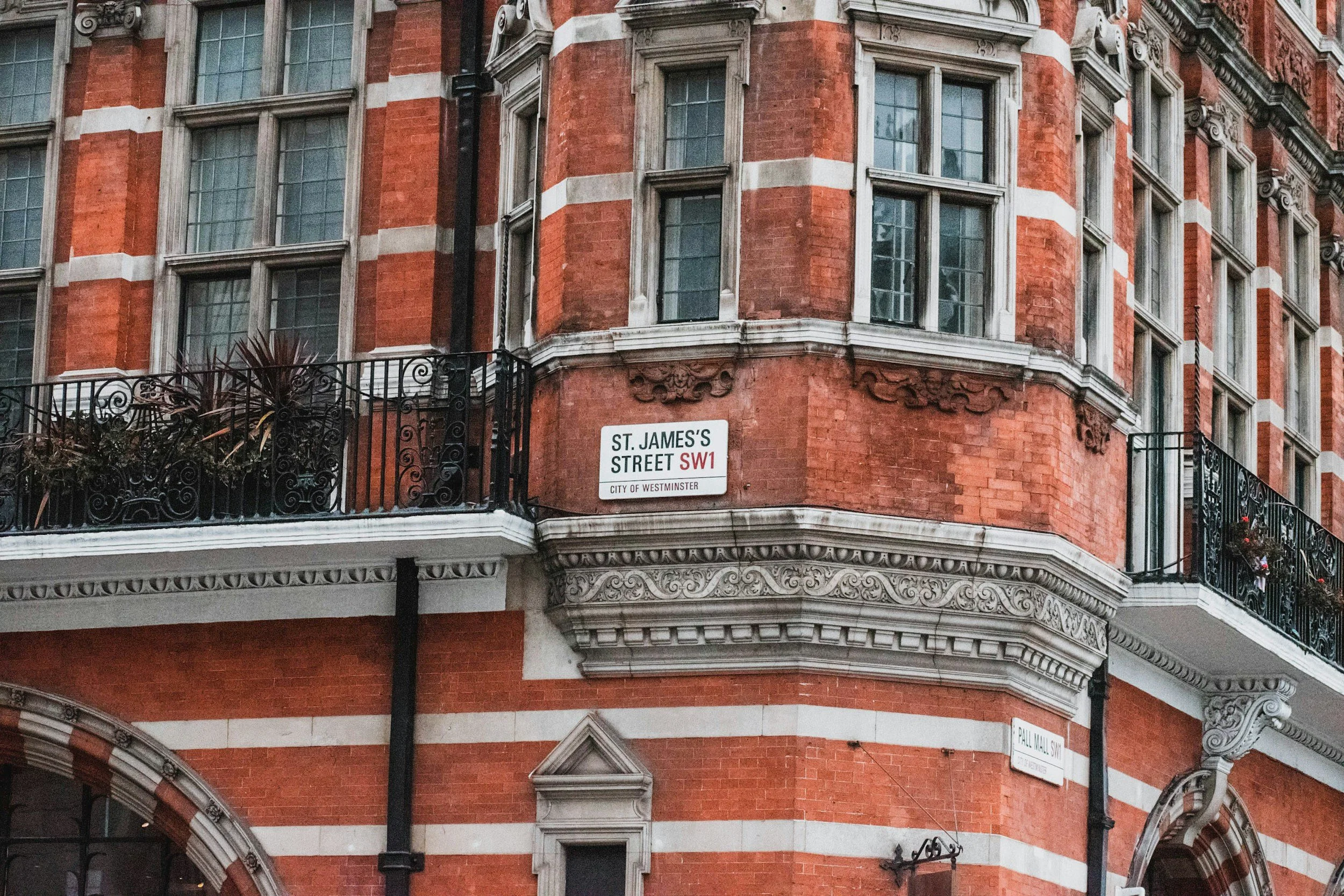
London is a city full of hidden details.
Most people notice the famous landmarks first.
Big Ben.
Tower Bridge.
Buckingham Palace.
But if you spend enough time looking up, you'll start spotting something rather strange.
Some windows in London aren't actually windows at all.
At first glance, they look completely normal.
They match the surrounding architecture.
They have the same shape and proportions as the real windows beside them.
But look more closely and you'll realise something is missing.
Sometimes there's no glass.
Sometimes the opening has been filled with brick.
And sometimes the "window" exists only as part of the building's design.
So why would anyone build a fake window?
The answer involves one of the strangest taxes in British history, a love of architectural symmetry and a hidden story that can still be seen across London today.
Once you know what to look for, you'll start spotting fake windows everywhere.
The Mystery of London's Fake Windows
Walk through neighbourhoods such as Bloomsbury, Spitalfields, Greenwich or Westminster and you'll occasionally notice something that doesn't look quite right.
A row of elegant windows may suddenly include one that appears sealed shut.
A grand Georgian townhouse might have what looks like a window, but there's no actual room behind it.
In other cases, the outline of a former window remains visible beneath layers of brickwork.
These aren't mistakes.
They're clues.
And they tell an important story about London's past.
The Window Tax That Changed Britain
To understand fake windows, we need to go back to 1696.
That year, the British government introduced something called the Window Tax.
The idea was simple.
Officials believed that wealthier people generally lived in larger homes with more windows.
Instead of taxing income, which was difficult to measure at the time, the government decided to tax properties based partly on how many windows they contained.
The more windows you had, the more tax you paid.
At first, the system may have seemed reasonable.
But people quickly began looking for ways around it.
How Londoners Responded
Nobody likes paying unnecessary taxes.
As tax rates increased over the years, many property owners found a solution.
If windows were being taxed, why not remove some of them?
Across London, homeowners began blocking up windows with brick and mortar.
Entire openings disappeared.
Houses that once allowed sunlight into rooms suddenly had sealed walls instead.
The strategy worked.
Fewer windows meant lower tax bills.
And over time, thousands of buildings were altered.
Why Not Just Remove the Windows Completely?
This is where things become interesting.
During the Georgian period, symmetry was incredibly important in architecture.
Builders wanted houses to look balanced.
A typical Georgian townhouse might have identical windows arranged evenly across its façade.
Removing one window could ruin the entire appearance of the building.
Property owners faced a dilemma.
They wanted fewer taxable windows.
But they also wanted attractive buildings.
Their solution was surprisingly clever.
The Rise of the Fake Window
Instead of completely redesigning buildings, some owners created what are known as blind windows.
From the street, these looked exactly like ordinary windows.
They matched the size and shape of the real ones nearby.
But they weren't functional.
Behind them, there might be a brick wall rather than a room.
Some were entirely decorative.
Others were former windows that had been blocked up while preserving the building's symmetry.
The result was a façade that still looked elegant while reducing the number of taxable windows.
In other words, the building appeared unchanged even though its owners were paying less tax.
Not Every Fake Window Was About Tax
This is an important detail.
Many fake windows were linked to the Window Tax.
But not all of them.
Architects sometimes used blind windows purely for aesthetic reasons.
A symmetrical façade was considered beautiful.
Even when no actual window was needed, builders occasionally added a decorative one to maintain visual balance.
This means that while the Window Tax explains many examples, some fake windows existed simply because architects liked the way they looked.
Where Can You Still See Them Today?
One of the most fascinating things about the story is that evidence remains all over London.
You don't need to visit a museum.
You just need to pay attention.
Some of the best places to spot examples include:
Bloomsbury
Known for its elegant Georgian terraces and garden squares.
Many buildings retain architectural details linked to the Georgian era.
Spitalfields
One of London's best-preserved historic neighbourhoods.
The area contains numerous Georgian houses where details of the Window Tax era can still be observed.
Greenwich
A fantastic place to see historic architecture from different periods.
Look carefully and you'll occasionally spot blocked-up windows.
Westminster
Some of London's oldest streets contain buildings that reveal traces of earlier architectural decisions.
Clerkenwell
Rich in historic buildings and hidden details, it's another excellent area for spotting unusual façades.
Why the Tax Became So Controversial
The Window Tax didn't just affect architecture.
It affected daily life.
Critics argued that the tax encouraged people to block natural light and fresh air from their homes.
Poorer households often suffered the most.
Medical experts and reformers increasingly criticised the policy.
Over time, the tax became deeply unpopular.
Many people believed it prioritised government revenue over public health.
Eventually, after more than 150 years, the Window Tax was abolished in 1851.
But by then, its impact on Britain's architecture was already visible.
A Tax You Can Still See More Than 170 Years Later
Most taxes disappear once they're repealed.
The Window Tax is different.
Its effects remain visible today.
Every bricked-up opening, every blind window and every unusual façade tells a story about how ordinary people responded to government policy.
It's rare for a tax to leave such a permanent mark on a city's appearance.
Yet that's exactly what happened in London.
The city itself became part of the historical record.
Hidden Details Most People Walk Past
One reason this story is so fascinating is that it hides in plain sight.
Thousands of people pass these buildings every day without noticing.
Tourists photograph streets without realising that some windows aren't real.
Residents walk past Georgian terraces without knowing they're looking at evidence of a centuries-old tax.
Once you know the story, however, it's impossible to ignore.
Suddenly, London becomes a giant treasure hunt.
You begin spotting clues everywhere.
Why London Is Full of Stories Like This
The fake-window story is a reminder that London's history isn't confined to museums.
It's built into the city itself.
Every street, terrace and building contains traces of earlier generations.
Some stories are obvious.
Others require a closer look.
The best hidden London stories are often the ones hiding in everyday places.
A blocked-up window might seem insignificant.
Yet behind it lies a tale involving taxation, architecture, politics and the creativity of ordinary Londoners.
That's what makes the city so endlessly fascinating.
Final Thoughts
At first glance, a fake window seems like a small detail.
But it reveals a much bigger story.
It tells us how Londoners responded to one of Britain's most unusual taxes, how architects preserved beauty through clever design and how decisions made centuries ago continue shaping the city today.
So the next time you're walking through Bloomsbury, Greenwich, Spitalfields or Westminster, take a moment to look up.
You might notice a window that isn't really a window at all.
And once you do, you'll be seeing London through completely different eyes.