Why London’s Christmas Trees Come From Norway The Real Story Behind the Tradition
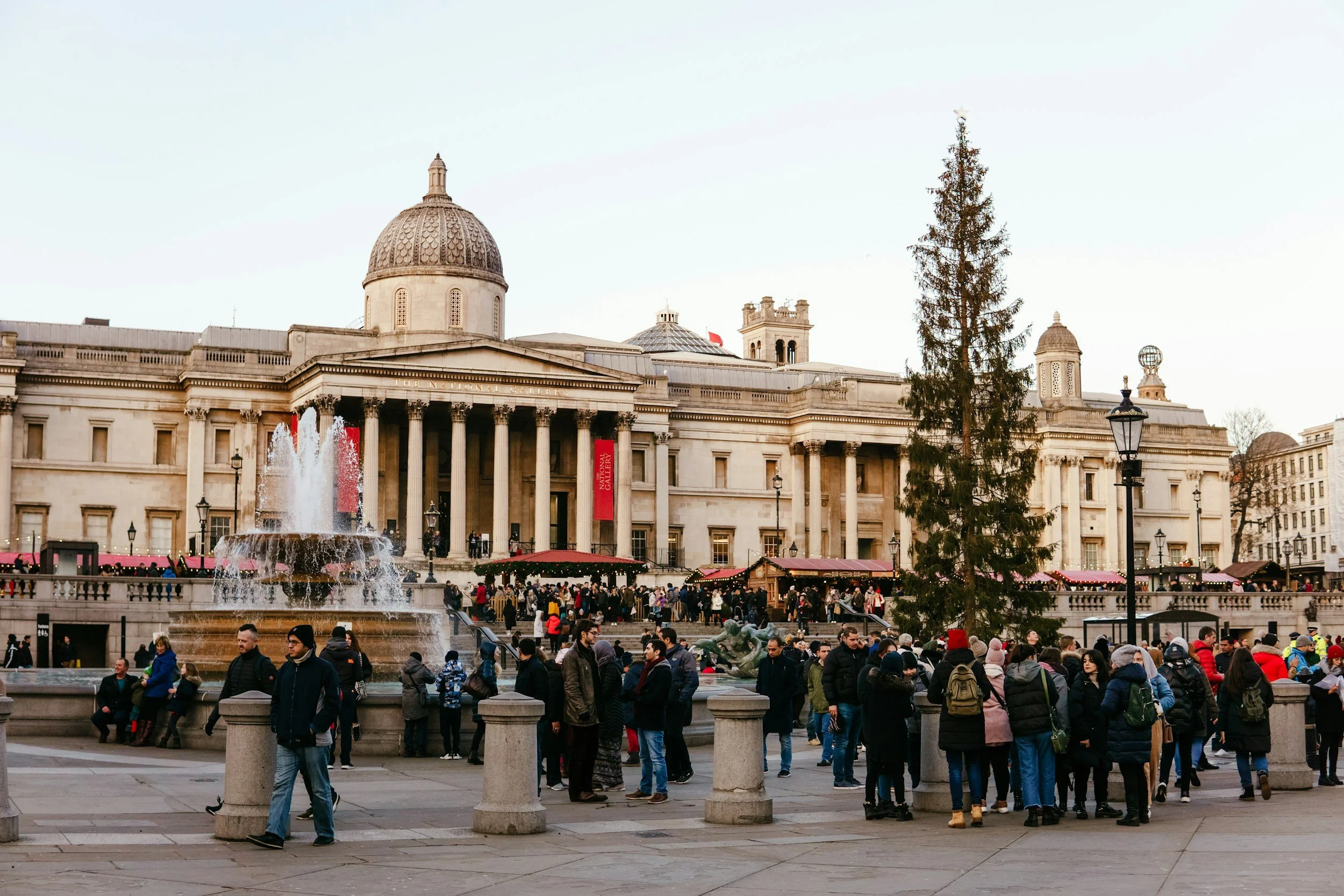
Every December, Trafalgar Square dresses up with a towering spruce. Tourists take photos. Choirs gather beneath its bows. Locals grumble about missing branches and then forgive the tree by the time the carols start. The tree is striking, of course but it’s more than a seasonal ornament. It’s a diplomatic gift, a living history lesson and a recurring moment of international gratitude.
Here’s the story behind that Trafalgar Square tree: why it’s always from Norway, how the tradition began, and what the tree still means today plus the best way to see it and a couple of small surprises most visitors never learn.
A thank-you that became annual: the origin in wartime gratitude
The Trafalgar Square Christmas tree is given to the people of London by the city of Oslo as a token of thanks for British support during the Second World War. That annual gift has been made since 1947, although there’s an earlier wartime moment that began the idea: in 1942, Norwegian commandos and members of the Norwegian government-in-exile helped to erect a spruce in Trafalgar Square as a gesture while Norway’s royal family sheltered in Britain. The modern yearly practice sending a carefully chosen Norway spruce each November grew from that spirit of gratitude and friendship.
(Short, plain fact: the plaque at the base of the tree reads: “This tree is given by the city of Oslo as a token of Norwegian gratitude to the people of London for their assistance during the years 1940–45.” )
Why Norway? The practical and the symbolic
There’s an obvious practical reason: Norway grows excellent tall spruces. More important is the symbolic one. During the Nazi occupation of Norway (1940–1945) the Norwegian royal family and government found refuge in London; the British public and armed forces supported the Norwegian resistance and navy. After the war, the gift of a national tree became a simple, public way for Oslo to say “thank you” every year a kind of evergreen diplomacy that people in both countries could see and understand. That symbolic exchange has helped keep Anglo-Norwegian friendship visible and annual ever since.
How the tree is chosen, felled and shipped (there’s a ceremony in Norway)
Picking the Trafalgar Square tree is not a casual forest walk. Each year the Mayor of Oslo (often alongside the Lord Mayor of Westminster and the British Ambassador) attends a felling ceremony in the Oslo area where a single Norway spruce sometimes nicknamed the forest’s “queen” is selected. It’s typically a 50- to 60-year-old spruce, more than 20 meters tall. After the tree is felled it’s transported by road to an export port, shipped across the North Sea and then moved onshore in the UK by a specialist contractor before being craned into position in Trafalgar Square. The tree is then decorated in a simple Norwegian style and lit at the annual switching-on ceremony in early December.
Locals in Oslo often follow the selection with pride; the ritual is as much a Norwegian event as its display is British a yearly show of mutual feeling made physical.
The smaller, interesting facts people love
It started earlier than 1947. The 1942 wartime tree was a single, improvised gesture; the annual official gift began in 1947.
The tree is decorated in a Norwegian style. Decorations are typically simple and the focus is on white lights a deliberate aesthetic that nods to Norway’s own festive traditions.
It’s recycled afterwards. The tree is chipped and composted (turned into mulch) rather than burned or dumped. That recycling step is part of modern civic practice.
Where to see the tree and how to reach it without stress
Trafalgar Square is right in the heart of central London, and it’s easy to reach on public transport:
Nearest Tube: Charing Cross (Bakerloo & Northern lines) or Embankment (Circle, District, Northern).
Walking: From Leicester Square it’s a 5–8 minute stroll; from Covent Garden about 10–12 minutes.
Tip: arrive in the early evening on a weekday for carol singing with fewer crowds, or go right after the lighting ceremony if you like the atmosphere but can handle busier pavements.
If you prefer a warm base nearby, try booking a room at a HOTEL so you can drop bags and come back for night-time photos without juggling the Tube.
The diplomatic side and occasional headlines
The Trafalgar tree’s journey is normally quiet and ceremonial, but the annual arrival sometimes attracts attention not always flattering (social media will dissect needle density and shape each year). More seriously, the tree can become a small stage for political statements: there have been protests and security incidents around the lighting in recent years. That does not change the tree’s origin it remains a token of friendship but it does mean large public events require careful planning and crowd management from Westminster City Council and partners.
A living symbol what it means now
Why keep this tradition in the 21st century? Because it’s visible, simple, and human. A flag or a speech can be formal; a giant spruce in Trafalgar Square is public and warm. It reminds millions of onlookers residents and visitors alike that diplomatic ties can be expressed through small, recurring acts of generosity. Norway’s annual gift is, quite literally, evergreen: it returns each winter to renew a story of refuge and gratitude.
For Londoners, the tree is part of the seasonal pattern not the only tree in town, but the one that sits at the civic centre and marks the city’s public Christmas mood.
Little ways to make seeing the tree feel special (local tips)
Carol programme: check the Trafalgar Square events schedule local choirs and charities often sing in front of the tree in the evenings leading up to Christmas.
Combine your visit: drop by the National Gallery (free entry) which sits just behind the Square, or take a short walk to Covent Garden for market stalls and street performance.
Photos: the tree looks best after dusk when the white lights contrast against the dark sky but if you want an empty frame, early morning is surprisingly peaceful.
Final thought a small, annual gesture that says a lot
In a city of monuments, the Trafalgar Square Christmas tree is a living monument to a very particular historical kindness. It’s practical (a good spruce), ceremonial (an event in Oslo and Westminster) and sentimental (a yearly thank-you). When you stand under it, you’re not just looking at lights you’re standing in a little corner of modern history.
For pocket routes, last-minute crowd tips and small local stories about London at Christmas, follow @london.yaar on Instagram I post quick updates, lighting-times, and the kind of tiny local facts that make a visit feel personal.