Why London Was Once Called the Capital of the World (And What That Actually Meant)
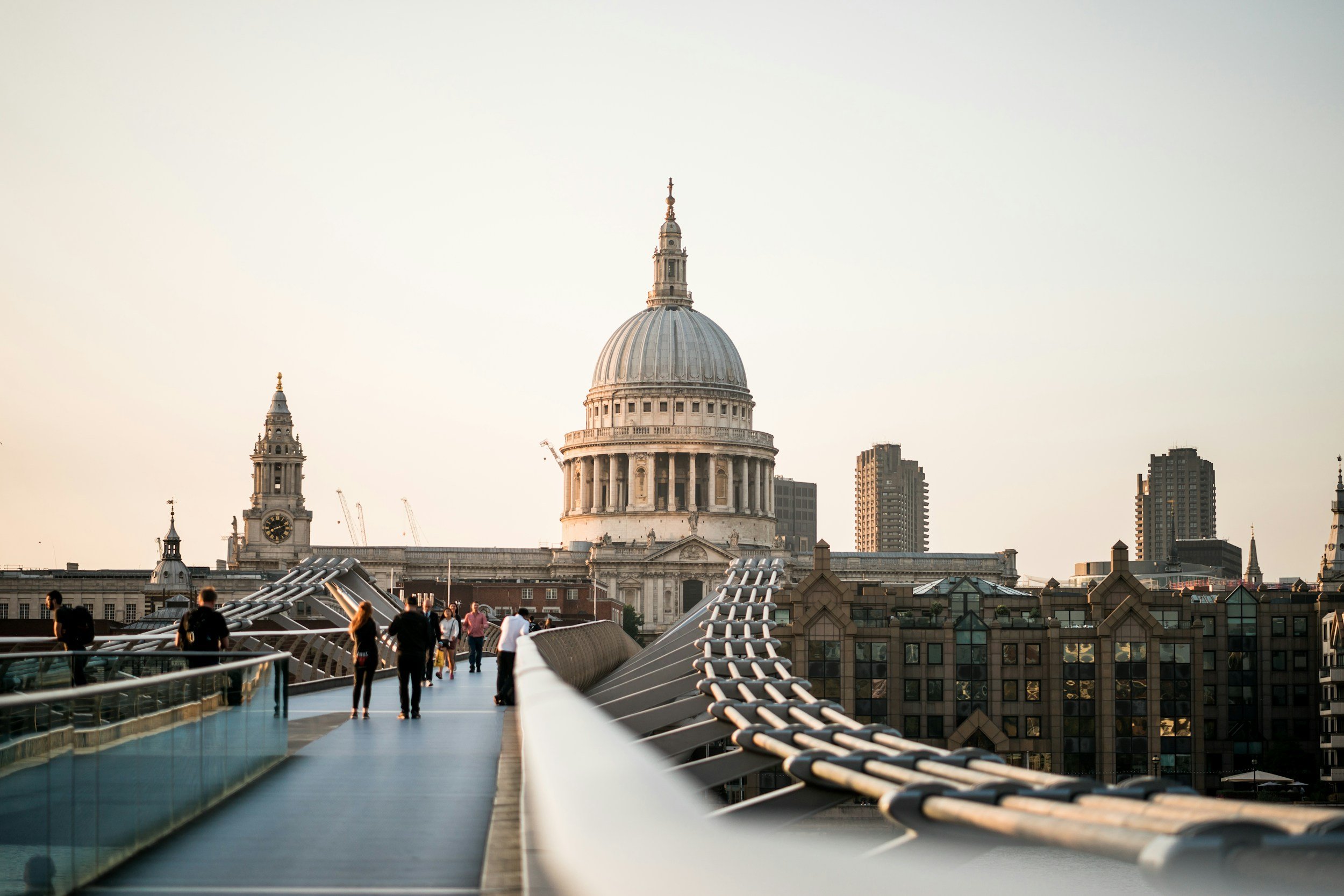
There’s a version of London most people know.
The one with:
Red buses
Busy Tube stations
Tourists outside Buckingham Palace
But there’s another version of London that’s harder to imagine now.
A London that didn’t just feel important…
It was.
A city where decisions shaped continents.
Where money moved across oceans.
Where power wasn’t local it was global.
And for a period in history, people didn’t just see London as a major city.
They saw it as the capital of the world.
A City That Controlled a Quarter of the World
To understand this properly, you have to zoom out.
Because this isn’t just about London.
It’s about the British Empire.
At its peak, the empire stretched across:
Asia
Africa
North America
The Caribbean
Australia
It was so large that people used to say:
👉 “The sun never sets on the British Empire.”
And at the centre of all of it?
London.
London Was the Biggest City on Earth
It’s hard to imagine now, but during the 1800s:
👉 London was the largest city in the world
Its population exploded:
Around 1 million in 1800
Over 6 million by the end of the century
That kind of growth wasn’t random.
People came to London because:
That’s where jobs were
That’s where money was
That’s where opportunities existed
If you wanted to be part of something bigger…
You came here.
The Financial Heart of the World
Even today, London is a financial powerhouse.
But back then?
It was on another level.
London became:
The center of global banking
The hub for international trade
The place where deals between continents happened
Goods from:
India
Africa
The Americas
All passed through systems controlled in London.
👉 It wasn’t just a city.
It was the engine of the global economy.
Where Global Decisions Were Made
Here’s where the “capital of the world” idea really makes sense.
Because London wasn’t just rich.
It was powerful.
From here:
Laws were created
Trade policies were decided
Entire regions were governed
And those decisions didn’t affect just Britain.
They affected millions of people across the world.
A Global Network Built Around One City
Think about this.
Ships would leave London and travel to:
India
Australia
Africa
The Caribbean
And then return with:
Goods
Resources
Wealth
Everything connected back to London.
👉 It was like the center of a massive global web.
Why London Felt Like the “Centre of Everything”
Imagine living in that time.
News from across the world arrived in London
Goods from different continents were sold here
People from all over the empire lived here
London wasn’t just diverse.
It was globally connected before globalization even existed.
The Other Side of the Story
But this isn’t just a story of power and growth.
Because the same empire that made London powerful…
Also came with:
Colonisation
Exploitation
Inequality
Even within London:
Wealth existed alongside extreme poverty
Millions lived in poor conditions despite the city’s success
So while London was rising globally…
Not everyone experienced that success equally.
When London Stopped Being “The Capital of the World”
Nothing stays at the top forever.
By the early 20th century:
Cities like New York started rising
The British Empire began to weaken
Global power started shifting
👉 London was still important but no longer unmatched
And after World War II:
Many colonies became independent
The empire declined rapidly
Which meant:
👉 London’s role changed from global ruler → global influencer
London Today: Still Global, Just Different
London is still one of the most important cities in the world.
It leads in:
Finance
Culture
Fashion
Media
But today, it’s part of a network of global cities not the single centre.
Final Thought
So was London really the “Capital of the World”?
Officially?
No.
But in reality?
For a period in history… it came very close.
Because when:
Your city controls global trade
Influences millions of lives
Sits at the centre of the largest empire ever
You don’t need a title.
You’ve already earned it.