Why London Looks Like Two Cities at Once: The Strange, Beautiful Mix of Old and New Architecture
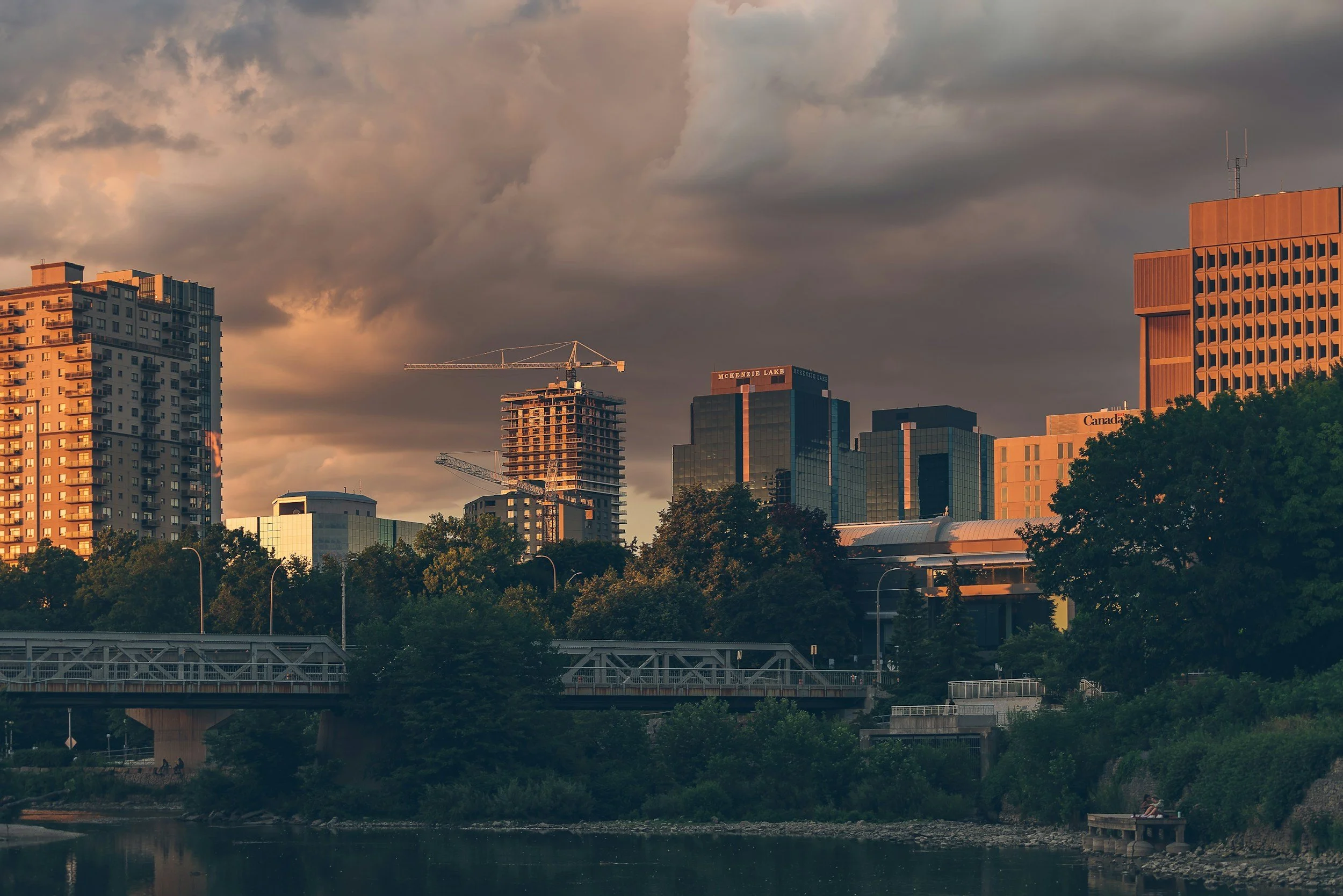
Walk through London for even a few minutes, and something starts to feel slightly unusual.
A centuries-old church sits quietly beside a sharp glass skyscraper.
A row of Georgian townhouses suddenly gives way to a blocky 1980s office building.
A single street can shift from historic to modern in a matter of steps.
It almost feels like different cities have been stitched together.
But in London, that contrast isn’t accidental and it’s not a mistake.
It’s the result of how the city has grown, changed, and adapted over time. And once you understand that, the mix of old and new stops feeling strange and starts feeling like the most natural thing about London.
London Was Never Designed It Was Built in Layers
The most important thing to understand about London is this:
It was never built all at once.
Unlike cities that were carefully planned in a single era, London has evolved continuously for nearly 2,000 years.
Each period added something new:
Roman foundations
Medieval streets
Georgian terraces
Victorian expansion
Modern developments
And instead of wiping out what came before, London kept most of it.
That’s why you can stand near St Paul's Cathedral a masterpiece from the 17th century and still see something like The Shard rising in the distance.
You’re not looking at a single version of London.
You’re looking at multiple Londons, existing at the same time.
Destruction Didn’t Reset the City It Reshaped It
If London had ever been completely rebuilt from scratch, it might look more uniform today.
But that never really happened.
Instead, the city went through partial destruction and uneven rebuilding which is why the mix exists.
The biggest example is the Great Fire of London.
Large parts of the city were destroyed, and new building styles were introduced. But not everything burned meaning older structures remained alongside the new ones.
The same pattern repeated after World War II:
Some areas were heavily bombed and rebuilt
Others remained mostly untouched
So instead of a clean reset, London ended up with a patchwork of different architectural periods.
Every rebuilding phase added a layer without removing the previous ones.
London Protects Its Past (And That Changes Everything)
In many cities, older buildings are regularly demolished to make way for modern ones.
London does the opposite.
Thousands of buildings are protected under “listed” status, meaning they:
Cannot be demolished easily
Must retain their historical character
This is why you’ll often see:
Modern structures rising behind preserved façades
Entire streets that look almost unchanged for decades
Areas like Covent Garden and Bloomsbury still feel deeply historical even though modern development is happening nearby.
London doesn’t erase its past. It builds around it.
But the City Still Has to Move Forward
At the same time, London isn’t a museum.
It’s one of the world’s leading:
financial centres
cultural hubs
global cities
That means it constantly needs:
office space
housing
infrastructure
This is where modern architecture comes in.
Areas like the City of London have become home to:
glass skyscrapers
bold contemporary designs
highly functional buildings
But even there, historic structures still exist.
You might see:
a medieval church
right next to a cutting-edge office tower
That contrast isn’t a failure it’s a balance between preservation and progress.
The Overlooked Layer: 80s - 90s Architecture
When people think about London’s architecture, they usually picture:
very old (historic landmarks)
very new (modern skyscrapers)
But there’s a third layer that often gets ignored:
Late 20th-century architecture (1980s–1990s)
You’ll see it across the city:
concrete-heavy buildings
practical office blocks
less decorative, more functional designs
These buildings came from a time when:
rebuilding was still ongoing
efficiency mattered more than aesthetics
urban planning focused on practicality
They might not always be admired, but they’re an important part of London’s story.
And without them, the city wouldn’t feel as layered or as real.
Why the Mix Still Works (Even When It Shouldn’t)
Logically, a city with so many different architectural styles should feel chaotic.
But London doesn’t feel chaotic.
And that’s because there are subtle things holding it together:
1. The Street Layout
Many of London’s streets have remained unchanged for centuries.
Even when buildings change, the structure of the city stays familiar.
2. Materials & Colour
Brick, stone, and glass are used in ways that often complement each other even across different eras.
3. Controlled Contrast
London allows modern buildings but rarely lets them completely dominate historic areas.
4. Human Scale
Even large developments are often designed to fit into the surrounding environment.
The result is contrast but not chaos.
Where You Notice This Most
Some areas highlight this mix better than others:
City of London
Historic churches surrounded by skyscrapers
South Bank
Cultural buildings alongside modern additions
Shoreditch
Industrial past mixed with creative, modern spaces
Westminster
Strong historical identity with subtle modern changes
Each of these areas shows the same idea in different ways:
London doesn’t replace it layers.
What People Often Get Wrong
❗ “It’s messy”
It’s not random it’s historical evolution
❗ “It lacks consistency”
The consistency comes from time, not design
❗ “Modern buildings ruin London”
Without modern development, the city wouldn’t function
FINAL ANSWER
London looks like a mix of old and new because it never chose one over the other.
Instead:
It preserved its past
It adapted to the present
And it allowed different eras to exist side by side
That slightly strange mix of:
historic
modern
and everything in between
isn’t a flaw.
It’s what gives London its identity.
Because instead of being rebuilt into something perfect,
it grew into something far more interesting.