Why London Keeps Being Ranked One of the World’s Best Cities in 2026
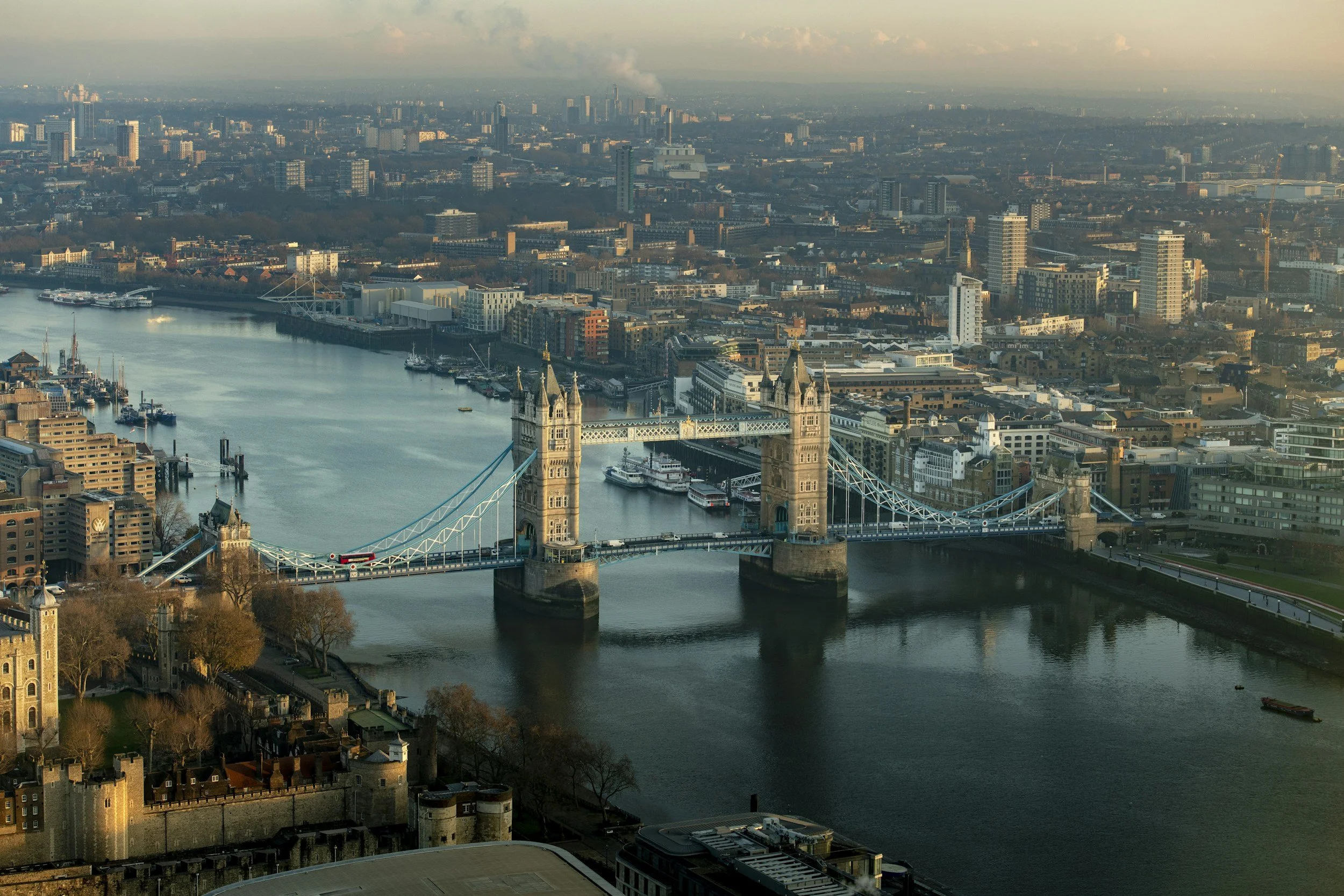
Every year, a familiar headline quietly reappears.
London ranks among the world’s best cities.
Again.
Sometimes it’s a global index. Sometimes it’s a quality-of-life report. Sometimes it’s about culture, connectivity, education, or influence. And every time, the reaction is mixed. Some nod in agreement. Others roll their eyes. A few argue it shouldn’t be there at all.
But here’s the thing worth paying attention to in 2026:
London isn’t topping these lists because it’s perfect.
It’s there because it keeps working, even when it’s uncomfortable, expensive, crowded, or complicated.
This isn’t a brag piece. It’s an explanation rooted in how London actually functions today.
It’s Not One Thing It’s the Stack
Cities don’t rank well because of a single attraction or statistic. They rank well because of layers.
London’s strength in 2026 isn’t about one landmark, one industry, or one trend. It’s the way multiple systems overlap without cancelling each other out.
Finance exists next to fashion.
History sits next to innovation.
Tourism overlaps with everyday life.
Few cities manage that balance without becoming either sterile or chaotic. London sits right in the tension and somehow keeps moving.
Global Access Still Matters (More Than Ever)
In a world that claims to be “remote-first,” physical connection still counts.
London remains one of the most connected cities on the planet. Not just through airports, but through people. Students, professionals, creatives, entrepreneurs, diplomats they still pass through London in high numbers.
Major hubs like Heathrow Airport and King’s Cross Station aren’t just transport points. They’re arteries. They keep the city globally plugged in, culturally refreshed, and constantly evolving.
If you’re visiting or relocating, staying near a well-connected central hotel immediately shows you why London’s accessibility keeps being scored highly.
Education Is a Silent Power
One of the least flashy but most influential reasons London continues to rank highly is education.
Institutions like University College London, London School of Economics, and Imperial College London attract global talent year after year.
These students don’t just study and leave. Many stay. They start businesses, enter public service, build creative careers, or influence policy and research.
That steady inflow of young, global, ambitious people keeps London intellectually alive in a way rankings quietly reward.
Culture Isn’t a Side Feature It’s Core Infrastructure
In many cities, culture is decoration. In London, it’s infrastructure.
Museums like British Museum and Tate Modern aren’t just tourist stops they’re public spaces woven into daily life.
Theatre, music, literature, fashion, food none of these exist in isolation. They overlap constantly. You can attend a world-class exhibition in the afternoon, a fringe theatre show at night, and a live jazz set after dinner all without planning weeks ahead.
That density of cultural choice is hard to replicate, and global rankings consistently reward it.
London Works Even When It’s Annoying
Here’s a less glamorous truth.
London often ranks highly despite its problems, not because it lacks them.
It’s expensive.
It’s crowded.
It’s slow some days.
But it functions.
Public transport still moves millions daily. Healthcare, education, law, finance, and governance still operate at scale. The city absorbs pressure rather than collapsing under it.
Places like Transport for London quietly play a role here reliability matters more to rankings than charm.
The Neighbourhood Factor
Another reason London scores well in 2026: it isn’t one city it’s many.
You don’t experience London all at once. You experience neighbourhoods.
From Greenwich to Hackney, from Richmond to Camden, each area functions like a small city with its own rhythm.
That diversity within one urban system is rare and highly valued in global assessments.
If you stay in a neighbourhood-based hotel rather than a tourist-heavy zone, this becomes obvious very quickly.
Business Without Being a Business City
London remains a global business hub but it doesn’t feel like one.
That matters.
You’ll see fintech offices next to cafés. Startups above pubs. Law firms near markets. The city doesn’t segregate work from life as aggressively as some global competitors.
That integration is a big reason London continues to attract international companies and retain talent.
Soft Power Still Counts
In 2026, influence isn’t just GDP.
It’s language. Media. Ideas. Norms.
London shapes global conversations through publishing, journalism, fashion, film, finance, and policy in subtle ways. It doesn’t need to announce itself loudly it’s already part of the global default.
Rankings notice that.
Why London Still Wins (Even When People Complain)
Londoners complain constantly and that’s part of the ecosystem.
But the same people who complain still:
Stay
Build lives
Raise families
Create work
Return after leaving
Cities that people keep choosing even reluctantly tend to score well.
London in 2026 isn’t chasing perfection. It’s maintaining relevance. That’s harder.
Final Thought
London doesn’t rank highly because it’s flawless.
It ranks highly because it absorbs complexity better than most cities on Earth.
It evolves without erasing itself.
It welcomes without losing structure.
It changes without forgetting.
That’s why, even in 2026, London keeps appearing near the top quietly, consistently, and without needing to convince anyone.
If you want more thoughtful perspectives on how London actually works beyond headlines and explore LondonYaar.com. I’ll keep unpacking the city as it is, not just how it’s ranked.