Why London Has So Many Parks Compared to Other Cities (2026 Guide)
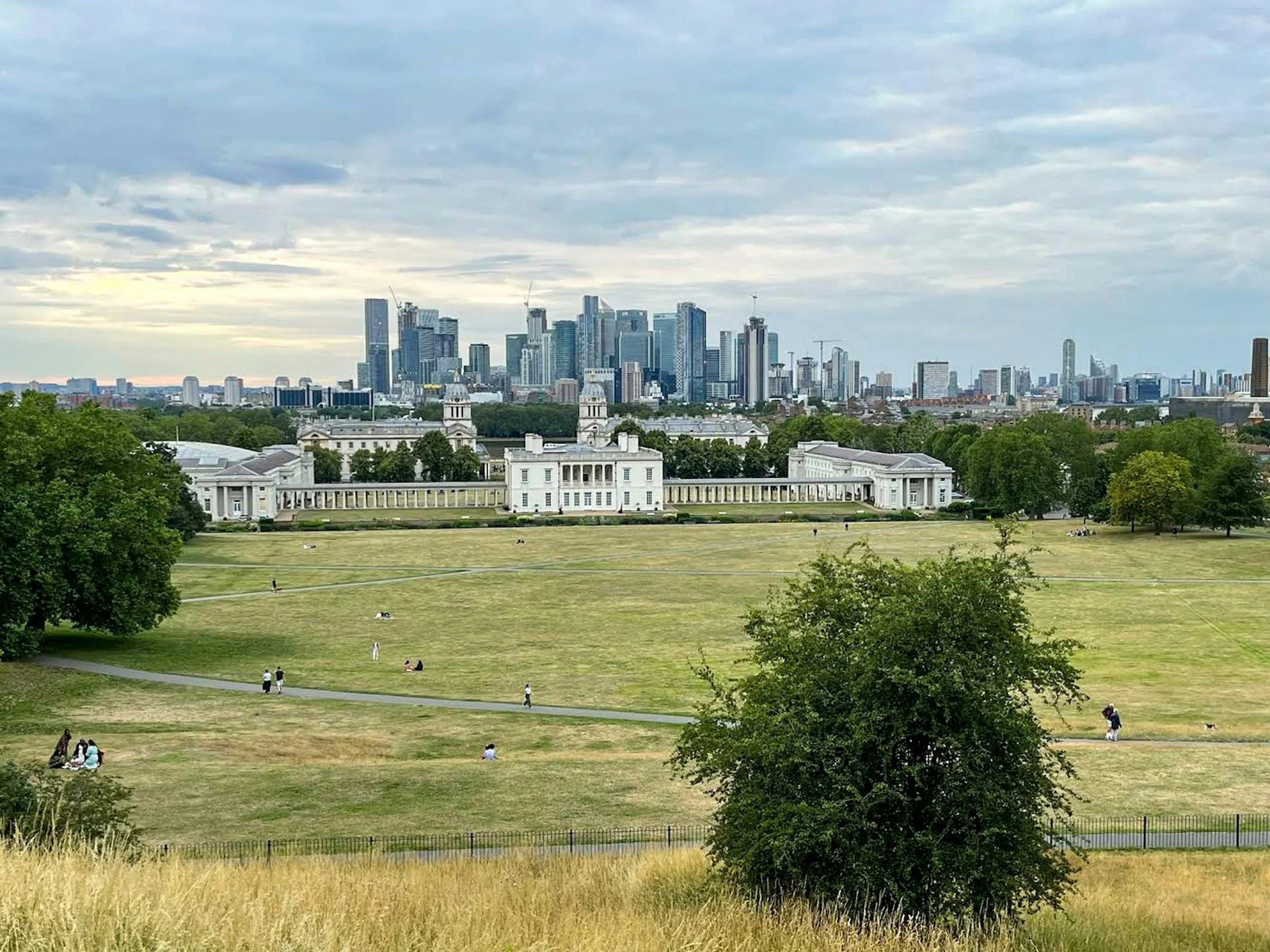
One of the first things people notice about London isn’t just the buildings or landmarks.
It’s the space.
The parks.
The trees.
The sudden stretches of green in the middle of a busy city.
Compared to many major cities around the world, London feels… open.
And naturally, the question comes up:
👉 Why does London have so many parks?
The answer isn’t random. It’s the result of history, planning decisions, royal influence, and how the city evolved over time.
London Is One of the Greenest Major Cities in the World
London isn’t just “a city with parks.”
It’s consistently ranked as one of the greenest major cities globally, with around 40% of its area classified as green space.
That includes:
parks
gardens
woodlands
riverside areas
This is unusually high for a global city of its size.
And it’s one of the main reasons London feels different from places like New York or Tokyo.
It Starts With Royal Land
One of the biggest reasons London has so many parks is surprisingly simple:
👉 Many of them were originally owned by the monarchy.
Parks like:
Hyde Park
Regent's Park
St James's Park
were once royal hunting grounds or private land.
Over time, these spaces were opened to the public.
This means London didn’t have to “create” parks later it already had large green spaces built into the city.
The City Expanded Around Green Space
Unlike many cities that were built densely and later added parks, London grew differently.
Instead of:
👉 building everything first and adding parks later
London often:
👉 expanded around existing open land
This created a city where green spaces are naturally integrated rather than artificially inserted.
Planning Laws Protected Green Areas
London also made deliberate decisions to protect its green space.
One of the most important concepts is the Green Belt a policy designed to prevent urban sprawl.
This helped:
limit overdevelopment
preserve natural areas
maintain open space around the city
In addition, planning regulations have historically encouraged:
public parks
community gardens
protected land
Public Parks Became Essential in the 19th Century
During the Industrial Revolution, London became crowded and polluted.
This led to a major shift:
👉 parks were no longer just luxury spaces they became necessary.
They were created to:
improve public health
provide clean air
give people space to relax
This is when many parks were redesigned or expanded for public use.
London Is Made Up of Many “Mini Cities”
Another reason London has so many parks is how it’s structured.
London isn’t one uniform city.
It’s made up of:
boroughs
neighbourhoods
local communities
Each area often has its own:
park
green square
open space
So instead of a few large parks, London has:
👉 many parks spread across the city
Green Space Is Part of Daily Life
In London, parks aren’t just for tourists.
They’re used daily by locals for:
walking
exercising
meeting friends
relaxing
Places like:
Hyde Park
Regent's Park
are part of everyday routines.
This consistent use helps maintain and justify the presence of these spaces.
Compared to Other Cities
To understand why London feels greener, it helps to compare it.
Cities like:
New York → more vertical, less distributed green space
Tokyo → dense urban planning
Paris → fewer large open parks
London stands out because its green space is:
widespread
accessible
integrated into neighbourhoods
Trees, Not Just Parks
Another small but important detail:
London isn’t just parks it’s also trees.
Tree-lined streets are common across the city.
This adds to the feeling of greenery even outside major parks.
It Wasn’t Planned It Evolved
What makes London unique is that this wasn’t a single decision.
It happened over time through:
royal land becoming public
industrial-era reforms
planning laws
local development
All of these layers combined to create the city you see today.
Why It Still Matters Today
London’s green space isn’t just aesthetic.
It affects:
air quality
mental well-being
lifestyle
It’s one of the reasons people enjoy living in the city despite its size.
Final Thought
London doesn’t feel greener by accident.
It feels that way because of centuries of decisions some intentional, some not.
From royal parks to local green spaces, the city has built a balance that many others struggle to replicate.
And that’s what makes it different.
London is full of details like this things that seem simple until you understand the story behind them.
For more London guides, facts, and insights, keep checking Londonyaar.com
👉 And next time you walk through a London park, remember it’s not just green space, it’s history.