Why London Has So Many Parks Compared to Other Cities
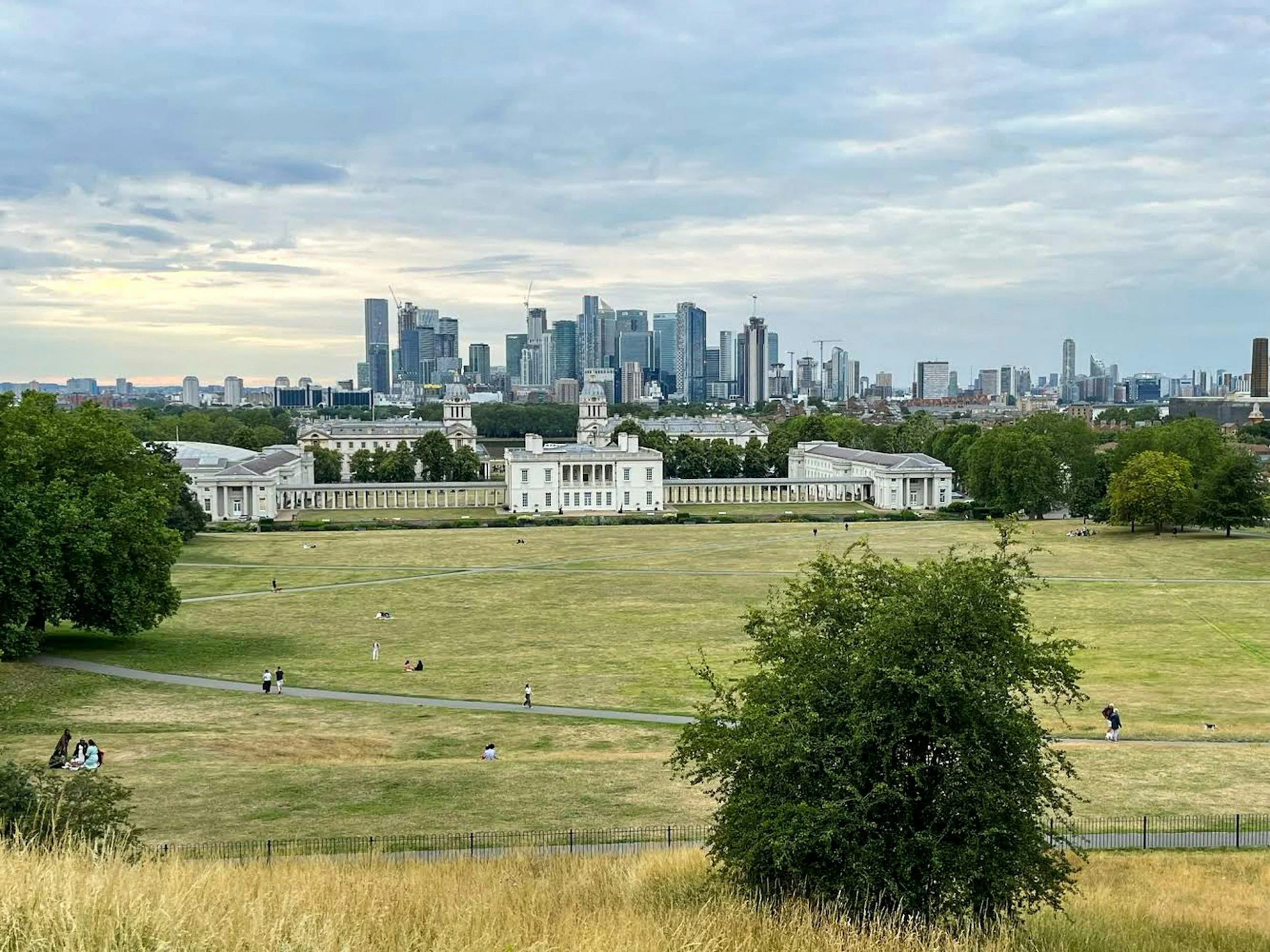
One thing surprises many people when they first explore London.
For a city with nearly nine million people, it feels incredibly green.
You can be standing in a busy area filled with traffic and historic buildings, walk for a few minutes, and suddenly find yourself inside a huge park surrounded by trees, lakes, and open lawns.
It raises an interesting question:
Why does London have so many parks compared to other major cities?
The answer lies in centuries of history, royal land ownership, city planning decisions, and a long-standing British love for green space.
London Is One of the Greenest Major Cities in the World
London isn’t just slightly green it’s actually one of the greenest large cities globally.
Around 47% of Greater London is classified as green space, which includes parks, gardens, commons, woodlands, and open land.
That means nearly half the city is made up of greenery rather than buildings.
This is one of the reasons London often feels less dense than other global capitals.
Many Parks Were Originally Royal Land
A major reason London has so many large parks is that many of them began as royal hunting grounds centuries ago.
Land that once belonged to the monarchy was gradually opened to the public.
Some of the most famous examples include:
Hyde Park
St James's Park
Greenwich Park
Richmond Park
These areas were originally used for royal recreation before eventually becoming public parks.
Today they form part of London’s famous Royal Parks system.
London Expanded Around Green Land
Unlike some cities that developed rapidly in dense grids, London grew slowly over centuries.
Villages, fields, and estates were gradually absorbed into the expanding city.
Because of this gradual growth, many green spaces survived urban development and eventually became public parks.
Large areas such as Hampstead Heath and Clapham Common were preserved as open land as London expanded.
The British Tradition of Public Green Spaces
The UK has a long tradition of protecting open spaces for public use.
During the 19th century, as London’s population grew rapidly, city planners and reformers pushed to create more parks so residents could access fresh air and nature.
New parks were developed specifically for public health and recreation.
This idea that cities should include accessible green spaces became a defining feature of London’s urban design.
Parks Are Part of Everyday London Life
In London, parks aren’t just scenic places they’re part of daily life.
People use them for:
morning walks
picnics
sports and fitness
outdoor events
relaxing on sunny afternoons
Some parks even feel like small nature reserves within the city.
For example, Richmond Park is famous for its roaming deer and wide open landscapes that feel far removed from central London.
London’s Green Spaces Shape the City
Because parks are spread across the entire city, they help define London’s character.
Neighbourhoods often grow around nearby parks, and many of the city’s most desirable areas sit close to large green spaces.
Places like Regent's Park, Holland Park, and Battersea Park are not just attractions they’re central parts of the surrounding communities.
Final Thought
London’s abundance of parks isn’t an accident.
It’s the result of centuries of royal land, gradual urban growth, and a cultural belief that cities should include space for nature.
That’s why even in one of the world’s busiest capitals, you’re rarely far from trees, open lawns, and quiet green corners.
And once spring arrives, those parks become some of the most enjoyable places to experience the city.
London has countless green spaces, hidden gardens, and scenic walking spots waiting to be explored.
For more London guides, local discoveries, and interesting facts about the city, keep checking back with Londonyaar.com
👉 And if you’ve ever wondered why London feels greener than other cities, now you know the story behind