Why London Has So Many Black Cabs Instead of Normal Taxis
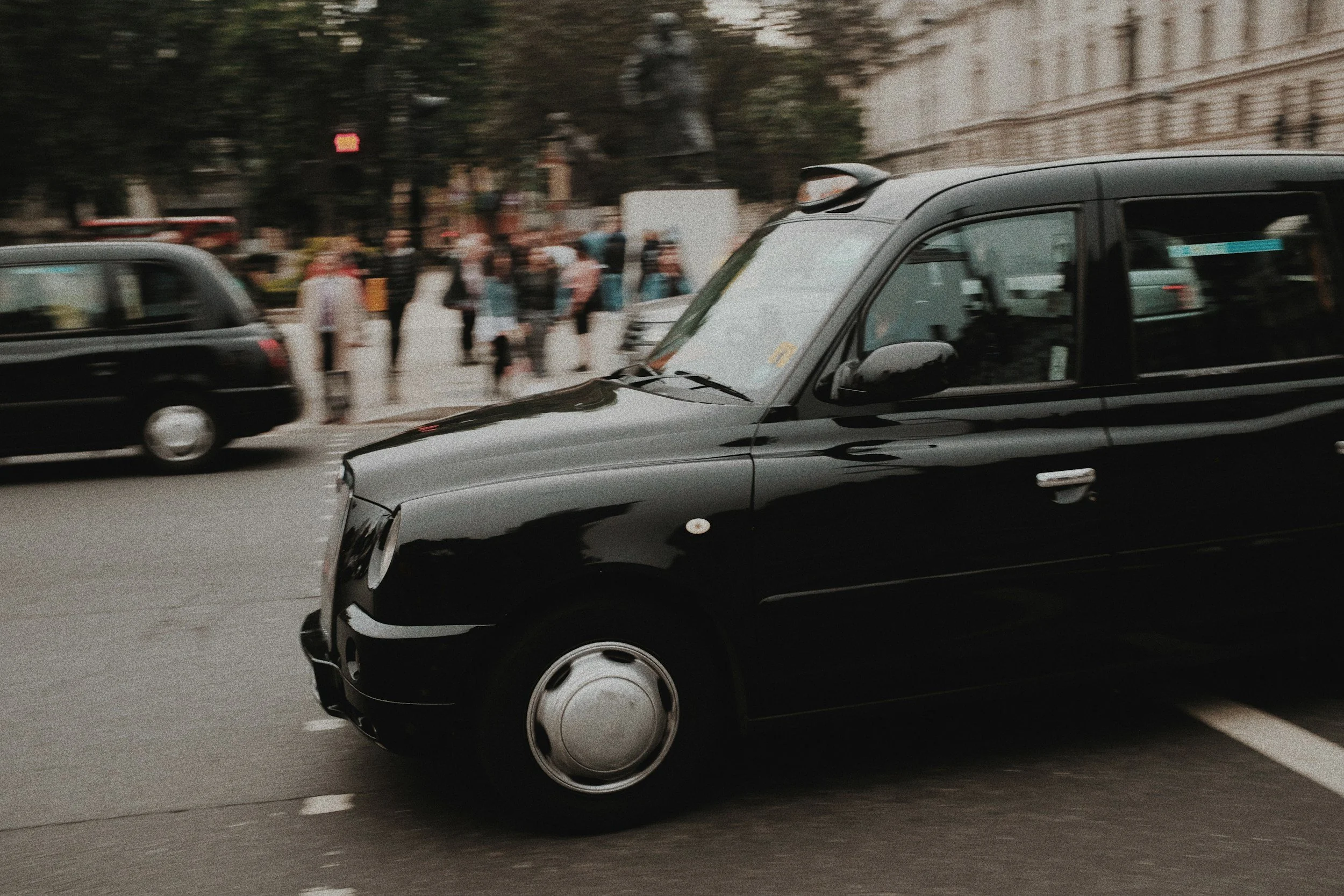
Walk through almost any part of central London and you’ll eventually see one.
A tall black taxi gliding through traffic. Maybe it’s parked outside a hotel in Mayfair, waiting beside a theatre in the West End or squeezing through tiny Soho streets that seem impossible for cars to navigate.
For many visitors, London’s black cabs feel instantly iconic almost as recognisable as Big Ben, red buses or the Underground map.
But one question comes up surprisingly often:
Why does London still have so many black cabs instead of regular taxis like most other cities?
After all, in many places around the world, taxis are simply ordinary cars with a roof sign attached. In London, however, black cabs are purpose-built vehicles with a completely different look, design and history.
The answer involves centuries of tradition, strict licensing rules, one of the hardest taxi exams in the world and a city whose streets were never designed to be simple.
And once you understand the story behind London’s black cabs, you start to realise they’re far more than just taxis.
They’re part of the city itself.
The Story of London’s Black Cabs Goes Back Hundreds of Years
London’s taxi history stretches back far earlier than most people realise.
The origins of the city’s cab system date all the way back to the 1600s, when horse-drawn hackney carriages began transporting passengers around the capital.
In fact, the word “hackney” is still officially used today in the term:
Hackney Carriage the legal name for a London black cab.
By the 19th century, London already had a heavily regulated taxi system. Drivers needed licences, fares were monitored and certain standards had to be met.
As motor vehicles replaced horse-drawn carriages in the early 1900s, London continued developing its own distinctive taxi culture rather than simply adopting ordinary passenger cars like many cities eventually did.
Over time, purpose-built taxis became the norm.
And that decision shaped the London black cab we recognise today.
Why Black Cabs Look Different From Normal Taxis
One of the biggest reasons London black cabs stand out is that they’re specifically designed for London.
They are not simply regular cars painted black.
Traditional black cabs are built with features intended to handle the capital’s unique streets and passenger needs.
Some of the most noticeable include:
Extremely tight turning circles
High roofs for extra passenger space
Easy accessibility
Large doors
Wheelchair access
Spacious seating
Durable construction for heavy city use
The turning circle is especially important.
London’s streets are famously narrow, irregular and chaotic in places because much of the city evolved long before modern cars existed. Certain junctions and roads particularly around areas like Soho and Covent Garden require taxis to perform extremely tight turns.
To meet licensing standards, London taxis historically had to achieve a turning circle capable of handling the tiny roundabout at the Savoy Hotel entrance near the Strand.
That requirement heavily influenced the shape and design of black cabs for decades.
Why Are They Usually Black?
Interestingly, not every London taxi is actually black anymore.
Today you’ll see advertisements, different colours and modern designs across the city.
However, the term “black cab” remained because black became the dominant colour historically.
In the early and mid-20th century, many taxi operators preferred black vehicles because they looked professional, hid dirt more effectively and were easier to maintain.
Over time, the appearance became associated with London itself.
Eventually the black cab transformed from a practical vehicle into a cultural symbol.
Even now, when cabs appear in different colours or advertising wraps, most people still call them black cabs.
The Knowledge: The Exam That Makes London Taxi Drivers Famous
One of the main reasons London black cabs are respected around the world is the training their drivers must complete.
To become a licensed black cab driver in London, applicants traditionally need to pass something known as:
The Knowledge
And yes it’s genuinely as difficult as people say.
Drivers must memorise thousands of streets, landmarks, hotels, restaurants, routes and points of interest across London.
The process often takes years.
Unlike app-based navigation systems that simply follow GPS directions, black cab drivers are trained to know the city instinctively. They learn the fastest routes, alternative shortcuts, traffic patterns and tiny side streets that many visitors and even locals never notice.
Studies have even found that experienced London taxi drivers develop enlarged areas of the brain associated with spatial memory due to the intensity of this training.
The Knowledge has become legendary because it represents something increasingly rare in modern cities: genuine human expertise.
Why London Never Fully Switched to Ordinary Taxis
Many cities eventually moved toward standardised taxi fleets using regular saloon cars.
London largely resisted that shift because the black cab system already worked remarkably well for the city’s needs.
Several factors helped preserve black cabs:
1. London’s Street Layout
London is not a grid city.
Its roads evolved over centuries, creating confusing layouts filled with unexpected turns, one-way systems and tiny lanes.
Experienced black cab drivers often navigate these streets more efficiently than navigation apps.
2. Strict Taxi Regulations
Transport for London maintains strict licensing rules covering:
Vehicle standards
Accessibility
Safety
Driver knowledge
Passenger requirements
These rules helped maintain consistency and professionalism across the black cab industry.
3. Accessibility Requirements
London black cabs became internationally recognised for wheelchair accessibility long before many cities adopted similar standards.
Purpose-built taxi designs allowed easier boarding and more inclusive transport options.
4. Cultural Identity
At some point, black cabs stopped being just transport.
They became part of London’s identity.
Visitors expect to see them. Films feature them constantly. Tourists photograph them alongside red buses and phone boxes.
Replacing them with ordinary cars would genuinely change the visual character of the city.
Are Black Cabs Disappearing?
In recent years, ride-sharing apps and changing transport habits have created challenges for London’s taxi industry.
Many people now use app-based services because they can sometimes be cheaper or easier to book.
However, black cabs remain an essential part of London transport.
And importantly, the industry has evolved.
Modern London taxis are increasingly electric, quieter and more environmentally friendly. The newer TX electric black cabs have become common across the capital and represent a major shift toward cleaner transport.
Transport for London has also introduced emissions rules encouraging the move away from older diesel vehicles.
So while the classic image remains, the technology behind London black cabs is changing rapidly.
Why Tourists Still Love Black Cabs
For many visitors, taking a black cab feels like a genuine London experience.
Part of that comes from the atmosphere.
Drivers often know fascinating stories about the city. Many can recommend restaurants, shortcuts, hidden pubs or local history you’d never discover otherwise.
The vehicles themselves also feel distinctly different from ordinary taxis.
They’re spacious, comfortable and designed around passenger experience rather than simply functioning as another car on the road.
And then there’s the symbolism.
A black cab outside Harrods, driving past Tower Bridge or crossing Trafalgar Square simply feels cinematic in a way ordinary taxis rarely do.
The Future of the Black Cab
Despite modern competition, London black cabs are unlikely to disappear anytime soon.
They remain deeply connected to the city’s transport system, tourism industry and cultural image.
In fact, their survival says something interesting about London itself.
While the city constantly changes, some traditions adapt instead of vanishing completely.
The black cab is one of them.
It has evolved from horse-drawn carriages to electric taxis while still maintaining the identity people associate with London.
That balance between history and modernity is part of what makes the city unique.
Final Thoughts
London’s black cabs exist for far more than tradition alone.
They were shaped by the city’s unusual streets, strict regulations, demanding driver training and centuries of transport history.
Over time, they became something much bigger than ordinary taxis.
They became one of London’s defining symbols.
And in a city constantly reinventing itself, there’s something reassuring about still seeing black cabs weaving through the streets — just as they have, in one form or another, for generations.