Why London Has Black Cabs Instead of Normal Taxis
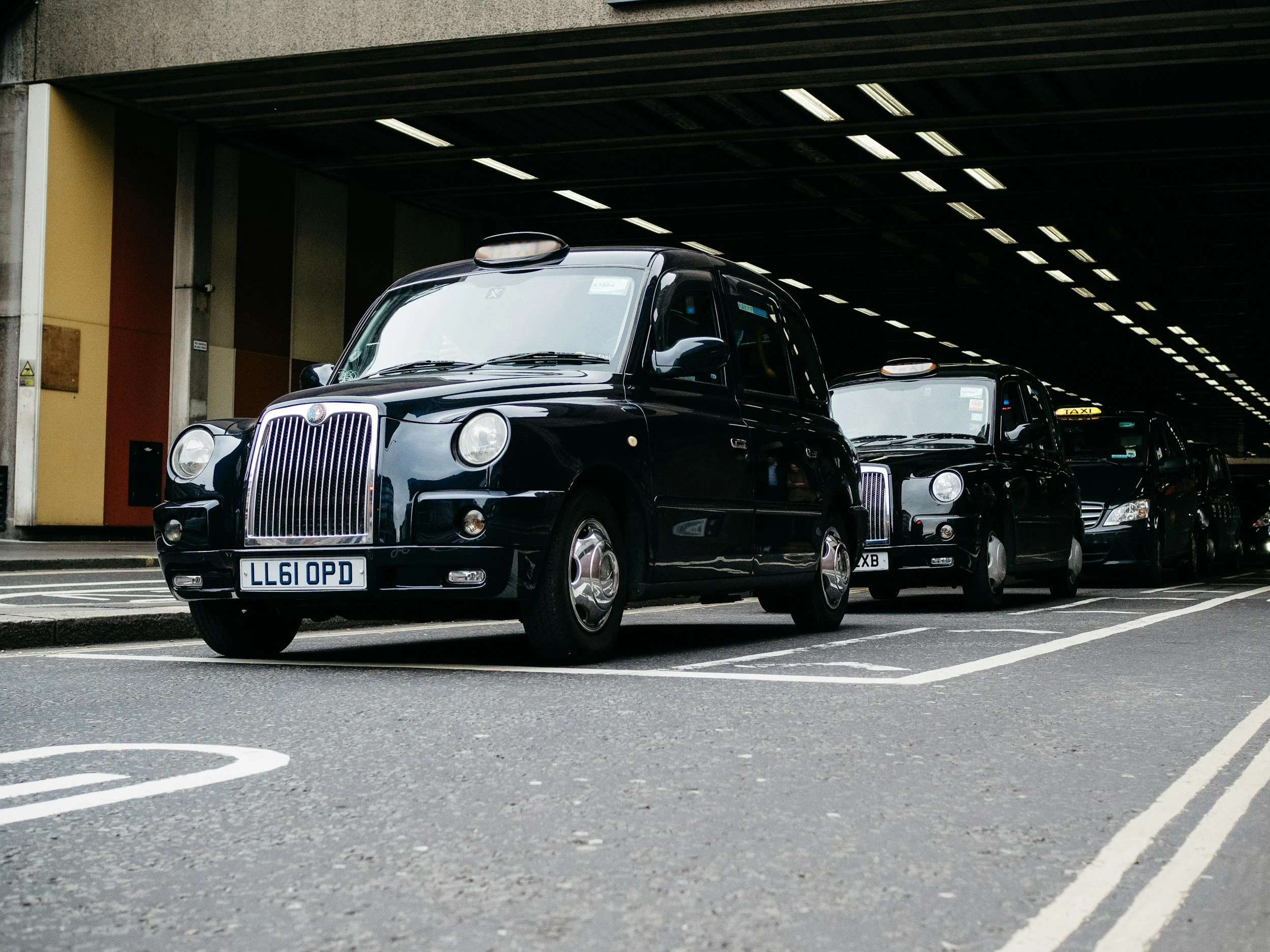
If you spend even a short time in London, one thing quickly becomes clear: the city’s taxis look very different from those in most other places.
Instead of ordinary cars, London is famous for its distinctive black cabs tall, spacious taxis that have become one of the city’s most recognisable symbols.
You’ll see them across central London, waiting outside train stations, theatres, and hotels, instantly identifiable by their shape and design.
But why does London use these unusual taxis instead of the typical car-style taxis found in many other cities?
The answer comes down to history, regulations, and a tradition that dates back more than a century.
The Design Was Created Specifically for London
London’s black cabs are not just regular cars painted black. They are specially designed vehicles built to meet strict licensing requirements set by the city.
Modern taxis like the LEVC TX taxi are built specifically for London’s streets and regulations.
One of the most famous design rules is the tight turning circle requirement, which allows taxis to easily navigate London’s narrow streets and small junctions.
This rule historically came from the need for taxis to turn around easily near locations such as Savoy Hotel, where vehicles once had to turn within a small entrance area.
Drivers Must Pass “The Knowledge”
Another reason London’s taxis are unique is the training required to drive them.
Licensed taxi drivers must pass a famously difficult exam called The Knowledge.
Drivers spend years learning:
thousands of streets
major landmarks
the fastest routes through central London
Because drivers already know the city so well, the traditional taxi system developed differently from many cities that rely heavily on GPS navigation.
A Taxi System That Dates Back Centuries
London’s taxi tradition actually goes back hundreds of years.
Horse-drawn hackney carriages were already operating in the city during the 17th century, making London one of the earliest cities in the world to regulate taxi services.
The modern black cab evolved from those early transport systems as motor vehicles replaced horse-drawn carriages in the early 20th century.
Over time, the distinctive cab shape became the standard design for licensed taxis.
Built for Accessibility
London taxis were also designed to be accessible.
Unlike standard cars, black cabs are:
tall enough for passengers to enter easily
spacious inside
built with wheelchair access ramps
These accessibility requirements were introduced to make taxis usable for a wider range of passengers.
Today many London taxis are considered among the most accessible taxi designs in the world.
A Symbol of London
Over time, black cabs became more than just a practical transport option.
Like red buses or historic phone boxes, they have become a symbol of London itself.
Visitors often recognise them instantly, and they frequently appear in films, photographs, and travel guides about the city.
Even as ride-hailing apps and modern taxis become more common, London’s black cabs remain an important part of the city’s identity.
Final Thought
London’s black cabs exist because of a mix of tradition, design rules, and one of the most demanding taxi licensing systems in the world.
What started as a practical solution for navigating the city eventually became one of its most recognisable icons.
And today, whether you’re heading across town or simply watching them pass through busy streets, black cabs remain one of the small details that make London feel unique.
London is full of fascinating stories, traditions, and everyday details that many visitors don’t notice at first.
For more London guides, interesting facts, and local insights, keep checking back with Londonyaar.com
👉 And if you’ve ever wondered why London does things differently, there’s usually a great story behind it.