Why Chicken Tikka Masala Is Considered a British Dish
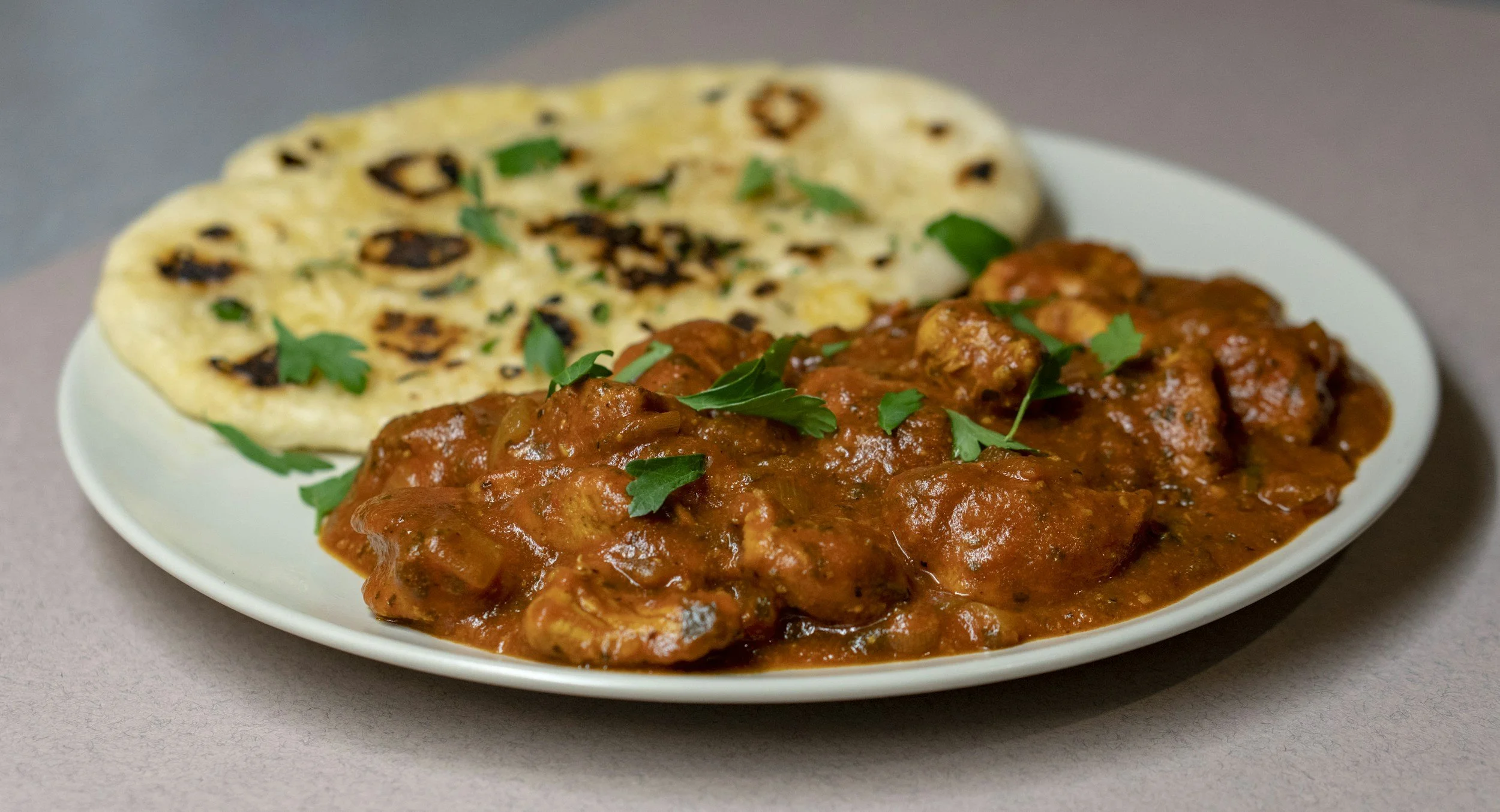
At first glance, chicken tikka masala doesn’t feel British at all.
It’s rich, spiced, creamy, and deeply associated with Indian flavours. Most people assume it comes directly from India — something traditional, passed down through generations.
But here’s the surprising part:
Chicken tikka masala is often considered one of Britain’s national dishes.
That sounds strange. How can a curry something rooted in South Asian cuisine be called British?
The answer isn’t simple. And that’s exactly what makes it interesting.
This dish sits at the intersection of migration, adaptation, culture, and identity and once you understand the story, it makes perfect sense why it’s considered British.
It Starts With Chicken Tikka Which Is Actually Indian
To understand chicken tikka masala, you need to go back to its base: chicken tikka.
Chicken tikka is:
marinated chicken
cooked in a tandoor (clay oven)
traditionally served dry
This dish has roots in the Indian subcontinent, particularly during the Mughal era.
So yes the foundation of chicken tikka masala is undeniably Indian.
But the version most people know today is something else entirely.
The “Masala Sauce” Is Where Everything Changes
The key difference is the sauce.
Chicken tikka masala takes the dry grilled chicken and adds a:
creamy
tomato-based
mildly spiced sauce
And this is where the story shifts from India to Britain.
Many historians and food experts believe that this version of the dish was created in the UK by South Asian chefs working in British restaurants.
Why?
Because British customers didn’t always enjoy dry, heavily spiced meat.
They preferred something:
saucier
milder
more comforting
So chefs adapted.
And that adaptation is what created chicken tikka masala as we know it today.
The Famous Glasgow Origin Story
One of the most well-known origin stories places the dish in Glasgow, Scotland.
According to this version:
A customer complained that his chicken tikka was too dry
The chef improvised by adding a creamy tomato sauce
The result became an instant success
This story is often linked to chef Ali Ahmed Aslam in the 1970s.
Now, here’s the important part:
👉 This story is widely known but not 100% proven.
Some historians argue that the dish already existed in some form before that.
But whether or not Glasgow is the exact origin, one thing is clear:
✔ The dish was developed and popularised in Britain, not India.
A Dish Created by Immigration
After World War II, Britain saw large-scale immigration from:
India
Pakistan
Bangladesh
Many immigrants opened restaurants what we now call “Indian restaurants” in the UK.
Interestingly:
👉 A large number of these were actually run by Bangladeshi chefs, especially from Sylhet.
These chefs began adapting traditional recipes to suit British tastes.
That led to the creation of what we now call:
👉 British Indian cuisine
And chicken tikka masala is one of its most famous examples.
It Was Designed for British Taste
This is the most important reason why it’s considered British.
Chicken tikka masala wasn’t just imported it was designed for the British palate.
Compared to traditional Indian dishes, it is:
less spicy
creamier
more tomato-heavy
milder and sweeter
This made it:
✔ easier for British diners to enjoy
✔ more widely accepted
✔ more commercially successful
In simple terms:
👉 It’s not just Indian food it’s Indian food adapted for Britain.
It Became Britain’s “National Dish”
The moment that really defined this dish came in 2001.
British politician Robin Cook famously called chicken tikka masala:
“a true British national dish”
That statement wasn’t just about food.
It was about identity.
He used the dish as an example of how Britain had become:
multicultural
diverse
shaped by immigration
And since then, the idea stuck.
Today, chicken tikka masala is often referred to as:
👉 Britain’s unofficial national dish
It’s Not Fully Indian And Not Fully British
One of the most interesting things about chicken tikka masala is that it doesn’t fully belong to one place.
Some argue:
it’s Indian (because of its roots)
others say it’s British (because it was created there)
The truth is somewhere in between.
It’s a fusion dish.
A combination of:
Indian cooking techniques
British taste preferences
immigrant creativity
That’s why it feels familiar in both cultures but doesn’t fully belong to either.
It Spread Across the UK And Then the World
Once the dish became popular in Britain, it didn’t stay limited to restaurants.
It expanded into:
takeaway menus
supermarkets
ready meals
international restaurants
By the 1980s and 1990s, it had become one of the most ordered dishes in the UK.
And today:
👉 It’s one of the most recognised “Indian” dishes globally
Even though its modern form was shaped in Britain.
Why It Still Confuses People
The reason this topic keeps coming up is simple:
👉 It doesn’t match expectations
People expect food to have a clear origin.
But chicken tikka masala doesn’t.
It challenges the idea that:
food belongs to one country
recipes stay unchanged
cultures remain separate
Instead, it shows how food evolves.
What Chicken Tikka Masala Really Represents
More than anything, this dish represents something bigger than food.
It represents:
migration
cultural exchange
adaptation
identity
It tells the story of:
South Asian communities in Britain
how they shaped the country’s food culture
how Britain embraced those changes
That’s why it’s considered British.
Not because it started there but because it became part of Britain’s identity.
Why It Became So Popular in London Specifically
While chicken tikka masala became popular across the UK, London played a major role in its rise.
The city has one of the largest and most diverse South Asian populations in Britain, which led to the growth of hundreds of Indian and Bangladeshi restaurants. These restaurants weren’t just serving traditional dishes they were constantly adapting menus based on customer preferences.
Because London attracts both locals and international visitors, dishes like chicken tikka masala spread quickly through:
restaurant culture
takeaway food
word of mouth
This made London one of the key places where the dish became widely recognised and accepted, eventually helping it gain national popularity.
Final Thought
Chicken tikka masala sounds like an Indian dish.
It tastes like a mix of cultures.
And it lives as a British favourite.
That’s what makes it unique.
It’s not just a recipe it’s a story.
A story of how cultures meet, adapt, and create something new.
And in a city like London, where food from around the world comes together every day, that story makes perfect sense.
London’s food scene is full of stories like this — where history, culture, and taste come together in unexpected ways.
For more London food guides, cultural insights, and unique stories, keep checking Londonyaar.com
👉 And next time you order chicken tikka masala, just remember you’re not just eating a dish, you’re experiencing a piece of British history.