Why Beer Gardens Suddenly Become the Center of London Life
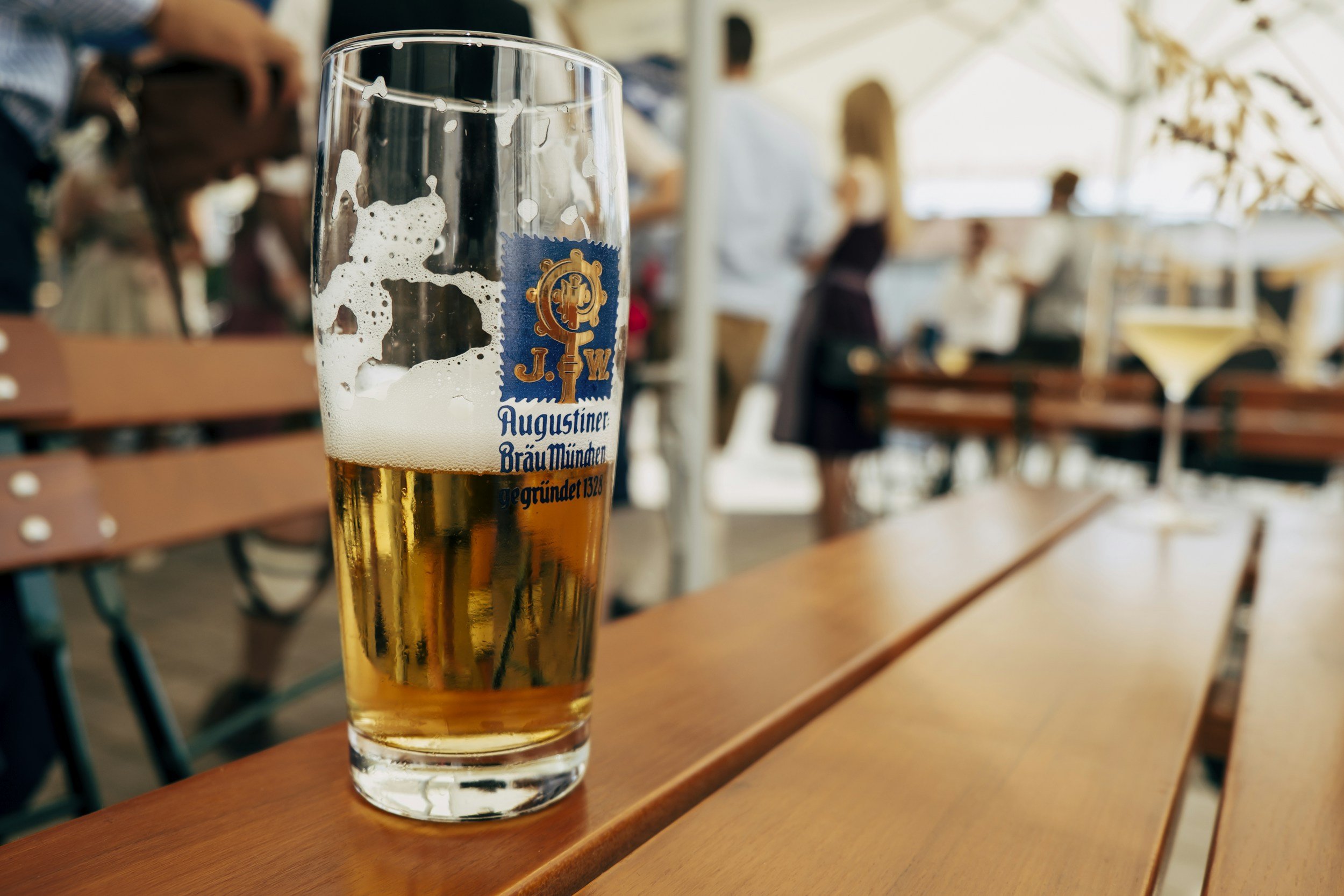
There’s a moment in London and if you’ve ever been here at the right time, you’ll recognize it instantly.
It’s not announced. There’s no official start date.
But one warm afternoon, something shifts.
People leave work a little earlier. Tables outside pubs start filling up. Pavements feel more alive. And suddenly, every beer garden in the city is full like it’s always been this way.
But it hasn’t.
For months, those same spaces were empty. Cold. Ignored.
So why does this happen every year?
Why do beer gardens go from an afterthought to the centre of London life almost overnight?
Let’s break it down properly because it’s not just about drinking outside.
It Starts With the Weather (But Not the Way You Think)
London doesn’t need perfect weather to come alive.
It just needs better weather than before.
After months of grey skies, short days, and indoor routines, even a slightly warm afternoon feels like an upgrade. It doesn’t have to be hot. It just has to feel like winter is finally losing.
That’s when places like Hyde Park or Hampstead Heath start filling up and right alongside them, beer gardens come back into play.
Because in London, outdoor space isn’t just preferred it’s earned.
And once it’s available again, people don’t waste it.
The Pub Was Always There The Garden Wasn’t
London’s pub culture never disappears.
Even in winter, people are still meeting, still socialising, still finding time for a drink after work. But it all happens indoors. Compressed. Louder. Faster.
Beer gardens change that completely.
Suddenly:
There’s space
There’s air
Conversations stretch out longer
Places like The Spaniards Inn or Pergola Paddington don’t just become “pubs with seating outside” they become destinations.
Because the experience shifts from:
“Let’s grab a quick drink”
to
“Let’s actually spend time here”
It’s Not About Beer It’s About Time Slowing Down
This is the part most people miss.
Beer gardens aren’t popular because of the drinks. London has great pubs all year round.
They’re popular because they change how people use their time.
In winter:
You meet → you drink → you leave
In spring and early summer:
You meet → you sit → you stay
There’s no rush to move on. No urgency to get home.
You’ll notice it especially in areas like Shoreditch or Clapham where beer gardens become extensions of people’s social lives.
People don’t plan to stay for hours.
They just… end up doing it.
Light Changes Everything
One of the biggest reasons beer gardens take over London life isn’t the temperature — it’s the light.
In May and early summer:
Sunsets happen later
Evenings feel longer
The city doesn’t shut down as quickly
That changes behavior more than people realise.
After work, it doesn’t feel like the day is over.
It feels like there’s still time to do something with it.
So instead of heading straight home, people drift toward outdoor spaces.
And beer gardens are the easiest, most natural option.
It Becomes a Social Default
Once a few people start going to beer gardens, it spreads quickly.
Plans shift from:
“Should we go somewhere?”
to:
“Let’s just sit outside somewhere”
And in London, that usually means a pub garden.
Places like The Faltering Fullback known for its layered outdoor seating or canalside spots near King’s Cross become go-to meeting points.
You don’t need a full plan.
You don’t need a reservation.
You just show up, find a table, and let the evening build around you.
Outdoor Space Is Limited That’s Why It Feels Special
London isn’t a city built around outdoor dining.
Compared to places in Europe, outdoor space here is:
Limited
Inconsistent
Often small
So when beer gardens open up properly, they feel more valuable.
Not just because they exist but because they’re not guaranteed.
That’s why:
People arrive early to get tables
Spaces fill up quickly
Even average spots feel desirable
It’s not always about the best beer garden.
It’s about getting a seat in one.
Where You Really Notice the Shift
You’ll see this change happen across the city, but some areas make it obvious:
Parks + Pubs
Near Hampstead Heath
Long walks that end in a beer garden
East London Energy
In Shoreditch
Social, busy, spontaneous
South London Social Scene
Around Clapham
Groups, after-work drinks, long evenings
Canal & Riverside Spots
Near King’s Cross
Movement + atmosphere combined
Each area feels slightly different but the pattern is the same.
The Reality No One Tells You
As good as beer gardens are, there are a few truths:
❗ You won’t always get a table
Especially after work hours
Especially on sunny days
❗ The weather can turn quickly
What starts as a perfect afternoon can shift fast
❗ It gets loud
Not chaotic but definitely social
But honestly, that’s part of it.
Beer gardens aren’t meant to be perfect.
They’re meant to feel alive.
FINAL ANSWER
Beer gardens become the centre of London life because they sit at the intersection of everything that changes in the city at once:
Better weather
Longer evenings
A need to be outside after months indoors
And a culture that’s already built around pubs
It’s not really about beer.
It’s about that feeling when London finally opens up again
when staying out doesn’t feel like effort, and going home doesn’t feel urgent.
And for a few months every year, beer gardens are where that feeling lives.