What Is Trooping the Colour and Why Does London Stop to Watch?
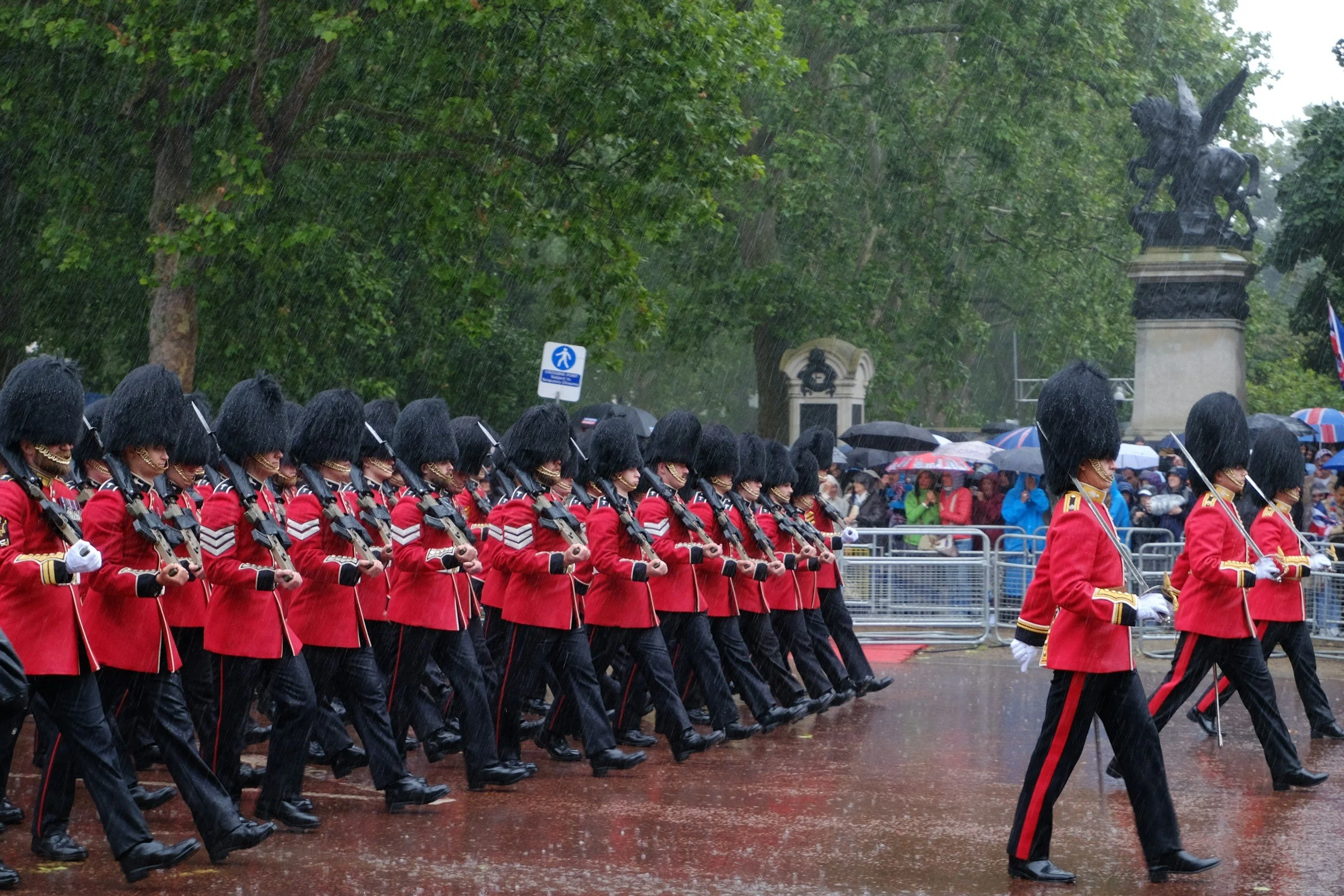
Every June, central London becomes the stage for one of Britain's most spectacular traditions.
Horse Guards Parade fills with soldiers in scarlet tunics.
Military bands march through the capital.
Thousands of spectators line the streets.
And members of the Royal Family appear on the balcony of Buckingham Palace as military aircraft fly overhead.
For visitors seeing it for the first time, it can feel like a scene from another era.
The event is known as Trooping the Colour, and while it is one of the most famous royal ceremonies in the world, many people are surprised to learn that its origins stretch back centuries.
So what exactly is Trooping the Colour?
Why does it take place every year?
And why do so many people gather to watch it?
Here's everything you need to know about one of London's most iconic traditions.
What Is Trooping the Colour?
Trooping the Colour is a ceremonial military parade that marks the official birthday of the British monarch.
Although King Charles III was born in November, the official birthday celebration takes place in June, following a tradition that dates back hundreds of years.
The event is organised by the Household Division of the British Army and combines military precision, royal pageantry and historic tradition.
Each year, more than 1,000 soldiers, hundreds of musicians and hundreds of horses take part in the ceremony, making it one of the largest and most impressive military displays in Britain.
For many people, it represents the beginning of London's royal summer season.
What Does "Trooping the Colour" Mean?
The name sounds unusual today, but it comes from a practical military tradition.
In the 17th and 18th centuries, soldiers used regimental flags known as colours as important rallying points during battle.
Before combat, officers would carry or "troop" these colours through the ranks so soldiers could recognise and identify them on the battlefield.
Over time, this military practice evolved into a ceremonial tradition.
Today, one regiment's colour is paraded before the assembled troops as part of the event.
The original military purpose has disappeared, but the tradition remains.
Why Is the Monarch's Official Birthday in June?
This is one of the questions visitors ask most often.
The answer lies in the British weather.
The tradition of celebrating an official royal birthday separately from the monarch's actual birthday dates back to the reign of King George II in the 18th century.
George II was born in November but preferred a public celebration during the warmer months when outdoor events were more likely to enjoy favourable weather.
The custom continued with later monarchs and survives today.
As a result, the monarch's official birthday is celebrated in June regardless of when they were actually born.
Where Does Trooping the Colour Take Place?
The main ceremony takes place at Horse Guards Parade in Whitehall.
However, the event extends far beyond a single location.
The day begins with members of the Royal Family travelling from Buckingham Palace along The Mall.
After arriving at Horse Guards Parade, the monarch inspects the troops before the main ceremony begins.
Once the parade concludes, the Royal Family returns to Buckingham Palace in a grand procession.
The day finishes with one of the event's most famous moments: the Royal Family appearing on the Buckingham Palace balcony to watch a Royal Air Force flypast.
For many spectators, this is the highlight of the day.
Who Takes Part?
Trooping the Colour is organised by the Household Division, which includes some of the British Army's most recognisable regiments.
Participants typically include:
Grenadier Guards
Coldstream Guards
Scots Guards
Irish Guards
Welsh Guards
Household Cavalry
Military bands also play a major role, performing traditional marches throughout the ceremony.
Every detail is carefully rehearsed.
Months of preparation go into ensuring the event runs smoothly.
The Spectacular Military Display
One reason Trooping the Colour attracts so much attention is the sheer scale of the event.
The ceremony typically includes:
More than 1,000 soldiers
Hundreds of military musicians
Hundreds of horses
Military precision drills
State ceremonial uniforms
The scarlet tunics and bearskin hats worn by many participants have become iconic symbols of Britain around the world.
For visitors, it's often one of the most memorable sights they encounter in London.
Why Do People Travel From Around the World to Watch?
Trooping the Colour combines several things people associate with Britain:
Royal traditions
Military history
Pageantry
Historic uniforms
Buckingham Palace
The Royal Family
Few events bring all these elements together on such a grand scale.
For international visitors, it offers a chance to witness a ceremony that has remained remarkably consistent for generations.
For Londoners, it's one of the capital's most important annual traditions.
The Buckingham Palace Balcony Appearance
Ask most visitors what they remember about Trooping the Colour and many will mention the balcony.
After the ceremony ends, members of the Royal Family gather on the Buckingham Palace balcony.
Crowds assemble outside the palace to watch.
Shortly afterwards, aircraft from the Royal Air Force fly over central London.
The flypast has become one of the defining images of the event.
Photographs of the Royal Family watching the aircraft often appear around the world.
It's the moment many spectators wait for all day.
Can You Watch Trooping the Colour?
Yes.
There are several ways to experience the event.
Buy Tickets
A limited number of tickets are made available through official ballot systems.
These provide seating near Horse Guards Parade.
Watch Along The Mall
Many people line The Mall to watch the royal procession travel between Buckingham Palace and Horse Guards Parade.
Watch the Flypast
Crowds gather near Buckingham Palace to watch the Royal Family appear on the balcony and see the RAF flypast.
Watch on Television
The ceremony is broadcast nationally and reaches millions of viewers each year.
Why It Still Matters Today
Some traditions disappear.
Trooping the Colour has endured.
Part of the reason is that it represents more than a parade.
It celebrates:
The Armed Forces
National traditions
British history
Constitutional monarchy
Ceremonial heritage
For supporters, it provides continuity with the past.
For visitors, it offers a glimpse into one of Britain's most distinctive traditions.
Even in a modern city like London, events such as Trooping the Colour remind people that history remains visible in everyday life.
When Does It Take Place?
Trooping the Colour usually takes place on a Saturday in June.
The exact date changes from year to year.
Rehearsals known as the Colonel's Review and Major General's Review are typically held in the weeks leading up to the main event and are popular attractions in their own right.
Anyone planning to attend should check official royal and government announcements for the latest dates.
Is It Worth Seeing?
Absolutely.
Even if you have little interest in royal history, the scale and spectacle are remarkable.
Few cities in the world stage ceremonies quite like this.
The combination of soldiers, horses, military bands, royal traditions and historic surroundings creates an atmosphere unlike anything else in London.
It's one of those events that helps explain why millions of people remain fascinated by Britain's ceremonial traditions.
Final Thoughts
Trooping the Colour is far more than a military parade.
It's a celebration of history, tradition and national ceremony that has become one of London's defining annual events.
Every June, crowds gather to watch soldiers march, bands perform and the Royal Family appear on the Buckingham Palace balcony.
For a few hours, central London becomes the centre of one of the world's most famous royal traditions.
And whether you're a lifelong royal enthusiast or simply a curious visitor, it's easy to understand why so many people stop to watch.