The Secret World of London’s Privately Owned Streets (And Why They Still Exist)
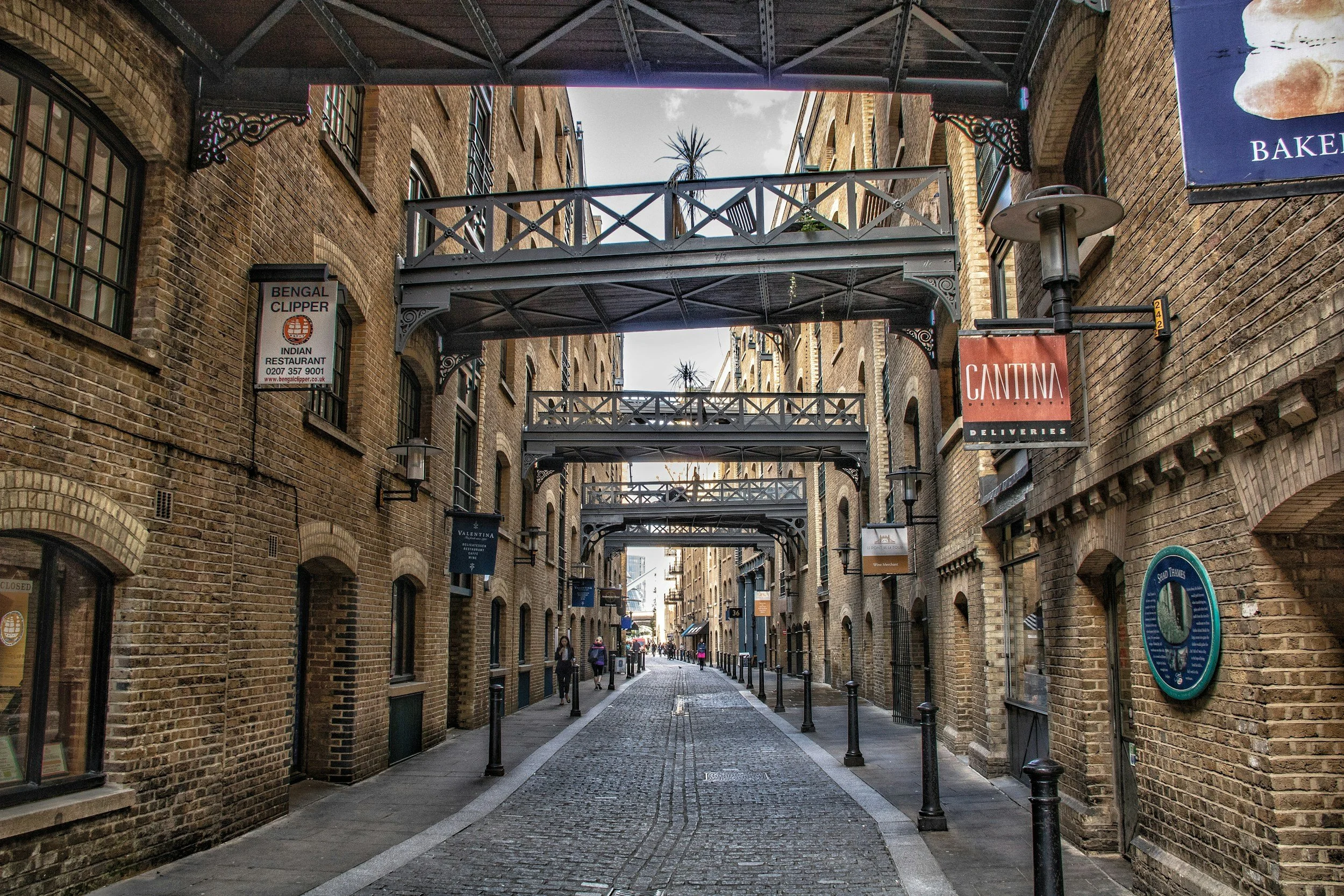
Most people walk through London assuming the city works in a simple way.
Public roads. Public pavements. Public spaces.
And most of the time, that’s true.
But hidden within some of London’s most famous neighbourhoods is something many people don’t realise exists at all:
privately owned streets.
Not private driveways.
Not gated communities in the modern sense.
Actual London streets some with historic buildings, elegant townhouses, and famous addresses that are still controlled by private estates or landowners centuries after they were first built.
And once you notice them, you start realising London works very differently from what most visitors imagine.
The Key to Understanding London: Much of It Was Built by Estates
To understand private streets in London, you first need to understand something unusual about the city itself:
Large parts of London were never developed by the government.
Instead, they were built and controlled by wealthy aristocratic estates.
Families who owned huge amounts of land gradually developed:
streets
squares
homes
gardens
And many of those land ownership patterns still exist today.
Some of the most famous examples include:
Grosvenor Estate in Mayfair and Belgravia
Cadogan Estate in Chelsea
Howard de Walden Estate in Marylebone
These estates didn’t just own buildings.
They often owned:
the land underneath entire streets.
And in some cases, they still do.
So What Does “Privately Owned Street” Actually Mean?
This is where people get confused.
A privately owned street in London doesn’t necessarily mean:
you’re banned from entering
security stops you walking through
or it’s hidden behind giant gates
In many cases, you can walk through normally and never realise anything is different.
The difference is:
who controls and maintains the space.
Private streets may have:
privately managed maintenance
private lighting
controlled parking access
private security or surveillance
restricted vehicle access
Some even have gates that close at certain times.
Others look completely public unless you notice small plaques or signs explaining the ownership.
The Famous Garden Squares Most People Don’t Think About
One of the clearest examples of this system is London’s historic garden squares.
Areas like:
Belgravia
Bloomsbury
Kensington
are filled with elegant residential squares surrounding private gardens.
And here’s the surprising part:
Many of those gardens are not public.
They’re privately maintained and only accessible to residents who hold keys.
From the outside, they look like ordinary parks.
But legally, they function very differently.
That same idea often extends to surrounding roads and spaces too.
Why These Private Streets Still Exist After Centuries
This is the part people usually find most surprising.
Why didn’t the city just take over everything?
The answer is complicated but it mostly comes down to history and property law.
Many estates:
never sold the freehold land completely
maintained long-term ownership structures
leased buildings rather than permanently transferring all control
Because of that, some private management systems survived:
industrialisation
war
redevelopment
modern London expansion
And over time, those estates became deeply embedded into how parts of London function.
Why London Feels Different From Many Modern Cities
In newer cities, development is often:
centralised
uniform
government-led
London isn’t like that.
It evolved gradually over centuries through:
private landownership
piecemeal expansion
estate-based planning
That’s why different areas feel so distinct.
For example:
Mayfair feels different from Shoreditch not just because of architecture but because the underlying ownership history is different too.
Some neighbourhoods were heavily estate-controlled. Others evolved more organically.
And that layered structure still shapes London today.
The Strange Balance Between Public and Private
One of the most interesting things about London’s private streets is how invisible they often are.
Unlike heavily gated neighbourhoods in some cities, London’s version is usually subtle.
You might only notice through:
signs saying “private road”
controlled parking
decorative gates
different paving or lighting styles
The city blends public and private space together in a way that feels almost seamless.
And honestly, most people walk through these areas without ever thinking about it.
Areas Where You Notice It Most
Mayfair
One of the strongest examples of estate-controlled development.
Elegant streets, private gardens, historic wealth.
Belgravia
Known for:
garden squares
controlled residential streets
long estate ownership history
Marylebone
Still heavily influenced by historic estate management structures.
Chelsea
Parts remain shaped by estate-controlled planning and private land ownership.
Each area reveals a slightly different version of the same story:
London wasn’t built as one city.
It was built piece by piece.
What People Often Get Wrong About Private Streets
❗ “Private means forbidden”
Not necessarily.
Many private streets are still publicly accessible for walking.
❗ “This only exists in luxury areas”
Mostly, but not entirely.
Private roads and estate-controlled areas appear across different parts of London.
❗ “It’s just a historical leftover”
Not completely.
Many estates are still active and influential in modern development decisions.
Why Some People Actually Prefer Estate-Controlled Areas
This part is controversial but important.
Supporters argue private management can lead to:
cleaner streets
better maintenance
stronger preservation of historic character
Critics argue it can:
reduce openness
reinforce exclusivity
blur public/private boundaries
And honestly, both perspectives exist in London discussions today.
FINAL ANSWER
London still has privately owned streets because large parts of the city were historically built and controlled by private estates and many of those ownership systems never fully disappeared.
Instead of being erased, they evolved alongside the modern city.
One of the reasons London feels so layered and unusual is because it’s not entirely public in the way people assume.
Behind the elegant squares, quiet streets, and historic neighborhoods are centuries-old ownership systems still shaping the city today.
And honestly?
That strange mix of:
public life
private control
old systems surviving in a modern city
is part of what makes London feel unlike almost anywhere else.