The Hidden Prison Cells Inside the Tower of London You Never See (And the Stories They Hold)
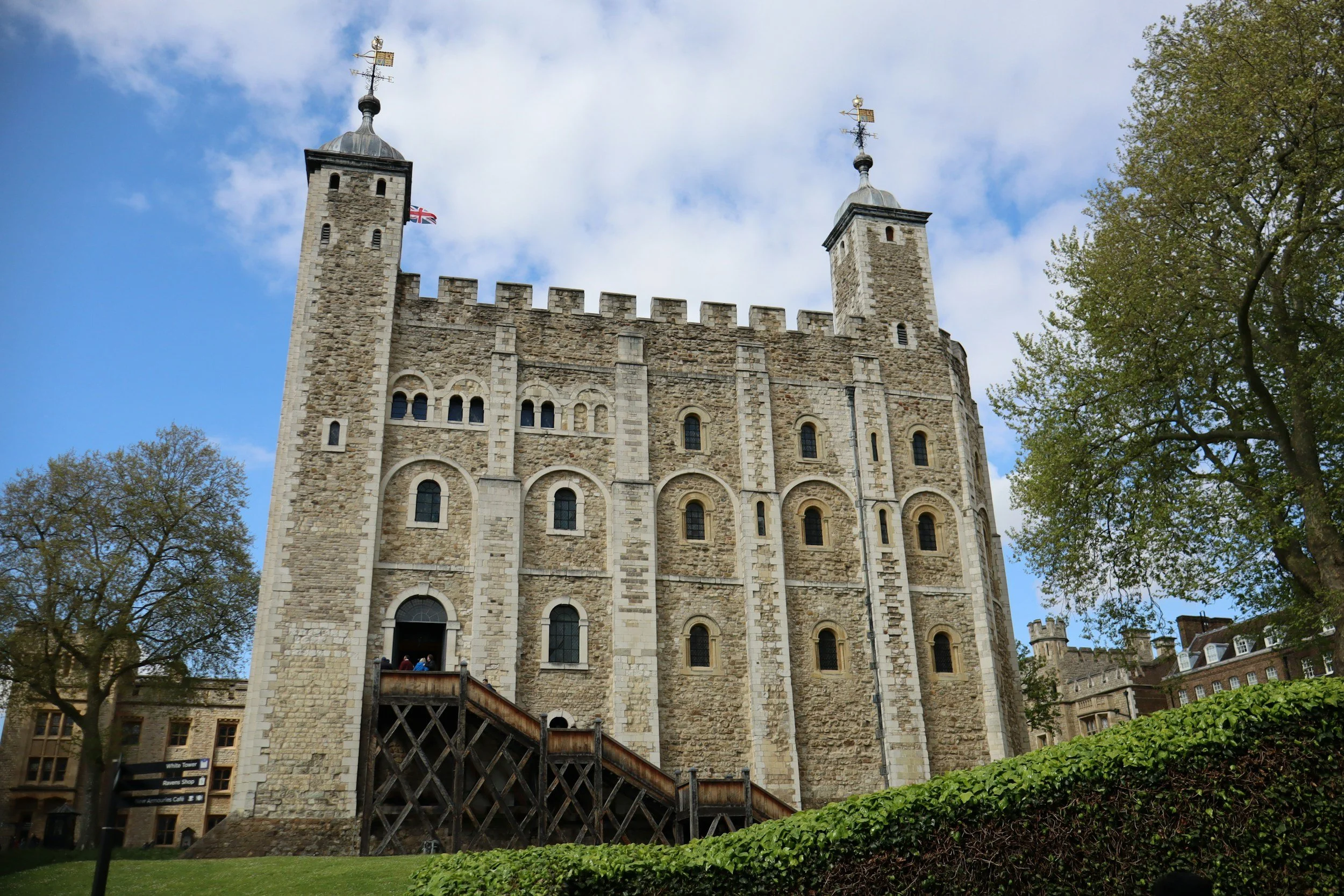
Everyone knows the Tower of London.
It’s where:
The Crown Jewels are kept
Tourists line up every day
History feels almost… staged
But there’s another side to the Tower.
A darker one.
Because long before it became a tourist attraction, the Tower of London was something else entirely:
👉 A prison.
And not just any prison.
One of the most feared in England.
The Tower Was Never Just a Castle
The Tower of London was built in the 11th century by William the Conqueror.
At first, it was meant to:
Defend the city
Show royal power
But over time…
It became a place where people were sent when they:
Were politically dangerous
Knew too much
Or simply stood in the wrong place at the wrong time
And once you were inside?
You weren’t just locked away.
You were removed from the world.
Not All Prisoners Were Kept the Same Way
Here’s something most people don’t realise:
👉 The Tower didn’t have just one type of prison cell.
Where you were held depended on:
Who you were
Your status
Your importance
High-Status Prisoners
Some prisoners were actually kept in:
Private rooms
Towers
Guarded chambers
These included figures like:
Anne Boleyn
Guy Fawkes
They weren’t free but they weren’t in dungeons either.
Lower-Status Prisoners
Others weren’t as fortunate.
They were kept in:
Dark cells
Small chambers
Harsh conditions
These are the spaces that feel closest to what we imagine as “prison cells.”
🕯️ The “Hidden” Cells What Does That Actually Mean?
Let’s clear this up properly.
When people say “hidden prison cells,” they don’t always mean:
👉 Secret underground tunnels no one knows about
Instead, it usually refers to:
1. Rooms Not Open to the Public
Some areas inside the Tower:
Are restricted
Not part of visitor routes
👉 These include former holding areas and guard rooms.
2. Less-Visited Spaces Inside Towers
Certain towers inside the complex (like Beauchamp Tower) contain:
Prisoner carvings
Marks left on walls
Evidence of confinement
But many visitors:
👉 Walk past without realising what they’re seeing
3. Basement & Lower-Level Chambers
Some prisoners were held in:
Lower-level rooms
Cold, poorly lit spaces
These weren’t always dramatic “dungeons”…
But they were still:
👉 Isolated
👉 Controlled
👉 Intimidating
Messages Left Behind by Prisoners
This is one of the most powerful parts of the Tower.
Inside certain areas, prisoners carved:
Names
Symbols
Messages
Into the stone walls.
And these still exist today.
👉 These carvings are some of the most real, human parts of the Tower’s history.
Because they show:
Fear
Hope
Resistance
All in a place where people had almost no control.
The Role of Interrogation
The Tower wasn’t just for holding prisoners.
It was also used for:
👉 Interrogation
Especially during times of political tension.
For example:
Guy Fawkes was brought to the Tower
He was questioned and tortured after the Gunpowder Plot
👉 This is one of the most well-documented uses of the Tower as a prison.
Why You Don’t See Everything Today
If you visit the Tower now, you’ll see:
Exhibitions
Displays
Open chambers
But you won’t see everything.
Because:
Preservation
Some areas are:
Fragile
Protected
Not safe for heavy foot traffic
Restricted Access
Certain spaces:
Aren’t part of the official route
Are kept closed to visitors
Narrative Control
The Tower presents a curated experience.
It focuses on:
Major stories
Key figures
👉 Not every prison space is included in that narrative.
The Difference Between Myth and Reality
This is where many blogs go wrong.
They exaggerate.
They say:
“Secret tunnels”
“Hidden underground prisons”
👉 But the truth is more subtle.
The Tower’s prison system was:
Complex
Structured
Based on status
Not mysterious in a cinematic way
but real in a historical way.
What It Actually Felt Like
Imagine this:
Stone walls
Minimal light
Guards nearby
No certainty about your future
For many prisoners, the worst part wasn’t the cell.
It was:
👉 Not knowing what would happen next
Execution?
Release?
Forgotten forever?
Final Thought
The Tower of London isn’t just a place you visit.
It’s a place you feel.
Because behind:
The Crown Jewels
The guided tours
The crowds
There’s a history that’s much darker.
Not hidden in the sense of secret passageways…
But hidden in plain sight.
In the walls.
In the carvings.
In the rooms most people walk past without thinking.
And once you realise that?
The Tower never feels the same again.