The Hidden Layers Beneath London’s Streets
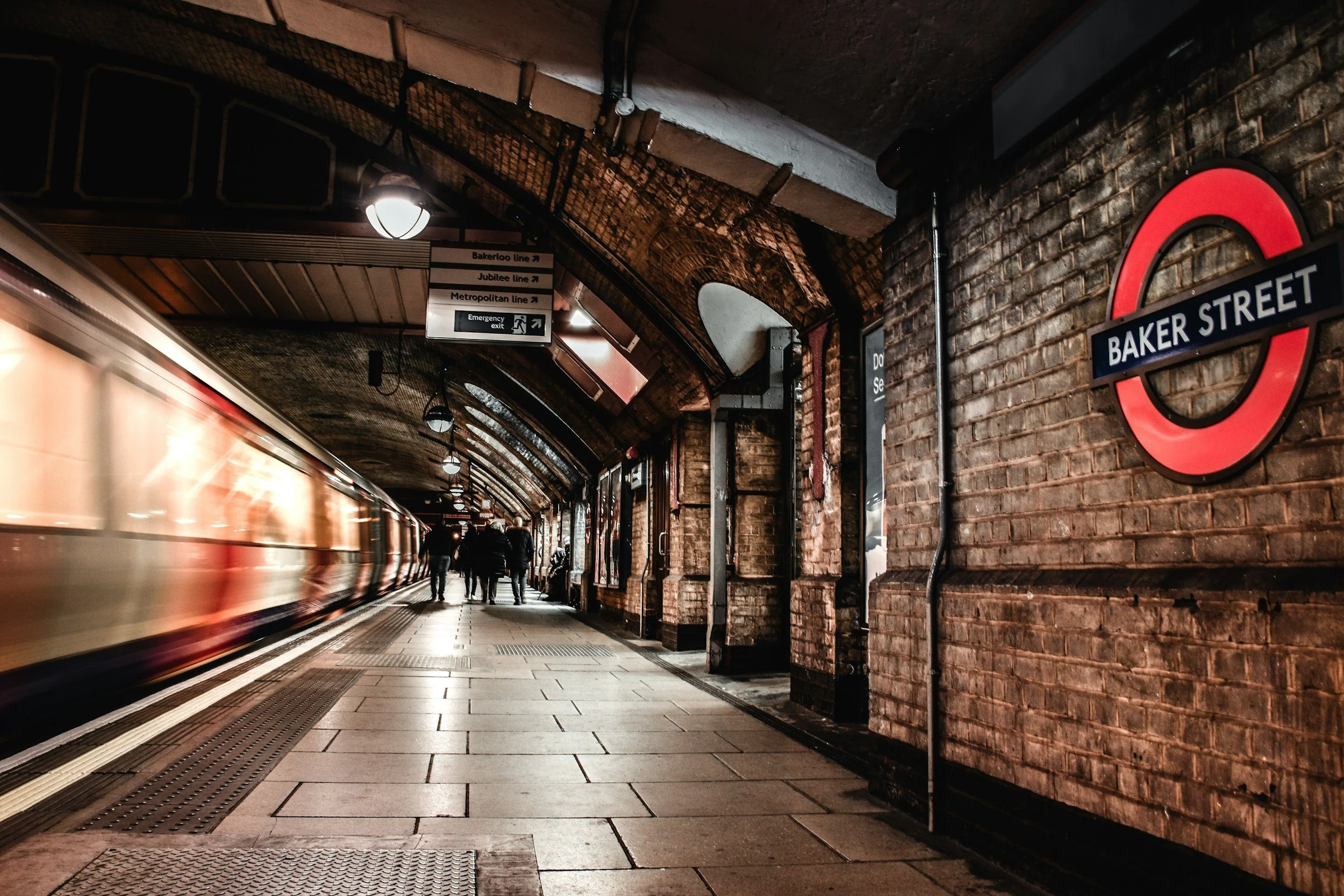
London looks busy on the surface.
But beneath your feet, it’s even busier.
Every pavement, every road, every Tube platform sits on top of something older sometimes many things older. Roman walls, medieval cellars, lost rivers, Victorian tunnels, wartime shelters, modern cables. London isn’t just spread across the land; it’s stacked inside it.
And most people walk over these layers every day without ever realising what’s underneath them.
London Was Never Built Once It Was Built Over
One of the biggest misconceptions about London is that it was “built” in the way newer cities were.
It wasn’t.
London grew by occupation, abandonment, reuse, and adaptation. Structures weren’t removed when they became obsolete they were buried, repurposed, or absorbed. New generations built on top of the old, often without fully clearing what came before.
That’s why London doesn’t have a single underground layer. It has many.
Some are accessible.
Some are sealed.
Some are forgotten.
Roman London: Still Down There
Long before London was London, it was Londinium a Roman trading settlement.
While most Roman structures were dismantled or decayed over time, parts of Roman London remain buried beneath the modern city. Sections of Roman walls still exist below street level, especially around the old boundaries of the City.
You can walk through areas near Tower Hill or the City and be standing just metres above Roman foundations roads that once carried carts, soldiers, and traders nearly two thousand years ago.
London didn’t erase Roman London.
It paved over it.
Medieval Cellars and Forgotten Rooms
As London grew through the medieval period, buildings expanded downward as well as upward.
Cellars were dug for storage, trade, and sometimes safety. When buildings collapsed, burned, or were replaced, those underground spaces were often left intact sealed and forgotten.
This is why construction projects in central London regularly uncover:
vaulted stone rooms
old wells
storage chambers
remnants of shops and homes
The ground beneath areas like Fleet Street and Holborn is riddled with layers of abandoned spaces that once supported daily life.
Lost Rivers Still Flow Beneath the City
London’s hidden layers aren’t just buildings they’re waterways.
Several rivers that once flowed openly through London were gradually built over as the city expanded. They didn’t disappear. They were redirected underground.
The most famous is the River Fleet, now running beneath streets and sewers near King’s Cross and beyond.
Other lost rivers like the Tyburn and the Walbrook still move beneath London’s streets, quietly shaping drainage systems and occasionally causing flooding issues centuries later.
London didn’t remove nature.
It rerouted it.
Victorian London Went Underground on Purpose
If Roman and medieval layers were accidental, Victorian London’s underground expansion was intentional.
The 19th century transformed London below ground:
Sewers were engineered
Railway tunnels were carved
Utility networks were installed
This was when London truly became a vertical city.
The sewers designed during this era still form the backbone of London’s waste system today. Railway cuttings and tunnels reshaped entire neighbourhoods from beneath.
Walking through places like Paddington or Waterloo, you’re moving over some of the most ambitious underground engineering of the 19th century.
Staying near these areas perhaps in a centrally located hotel close to a major station puts you directly above these hidden systems.
The Underground Is Only Part of the Story
When people think of London beneath the streets, they think of the Tube.
But the Underground is just the most visible layer.
Beneath and around it are:
disused stations
abandoned tunnels
sidings and service routes
emergency passages
Some stations were closed and sealed. Others were repurposed during wartime. Many exist only as shadows on maps and faint outlines behind modern walls.
The Tube didn’t replace older layers it threaded itself through them.
Wartime London: Shelters Below the City
During World War II, London’s underground became a refuge.
Basements, tunnels, and specially built shelters were used to protect civilians during air raids. Some Tube stations became overnight sleeping spaces. Other underground areas were adapted for command centres and storage.
Even today, traces of that period remain:
reinforced walls
blocked entrances
altered platforms
Walking near Aldwych, you’re close to one of London’s most famous disused stations, which played a role during the war and still exists beneath the surface.
Modern London Is Still Adding Layers
The process hasn’t stopped.
Modern London continues to build underground:
fibre-optic cables
power infrastructure
transport upgrades
flood defences
Each generation adds another layer, carefully navigating everything already buried.
This is why construction in London takes so long. It’s not just about what’s being built it’s about what must be avoided.
The city isn’t empty beneath your feet.
It’s crowded.
Why This Makes London Feel Different
All of this layering changes how London feels above ground.
Streets bend where old walls once stood. Buildings stop abruptly where foundations couldn’t go deeper. Transport routes follow paths carved generations ago.
London’s layout isn’t inefficient it’s constrained by memory.
That’s why exploring neighbourhoods like Clerkenwell or Southwark feels textured rather than planned.
The city isn’t messy by accident.
It’s layered by necessity.
How to Notice the Hidden City Without Going Underground
You don’t need a special tour to sense London’s underground life.
Pay attention to:
sudden changes in street level
odd building angles
ventilation shafts that seem out of place
streets that dip or rise unexpectedly
These are surface clues to what lies beneath.
If you’re visiting, choosing accommodation near older neighbourhoods rather than newly built districts often makes this layering more visible you feel the city’s depth without trying.
Final Thought: London Isn’t Just Built on History It’s Built Inside It
London doesn’t sit on the land.
It occupies it in layers.
Every step you take is supported by centuries of decisions, accidents, and adaptations. The city didn’t bury its past to forget it it buried it to keep moving.
And that’s why London feels deep in a way few cities do.
For more stories that uncover how London actually works above and below the surface and explore Londonyaar.com.
There’s always more beneath this city than meets the eye.