See London for Free Without Paying for the Tube or Bus: The £0 Guide by Zone
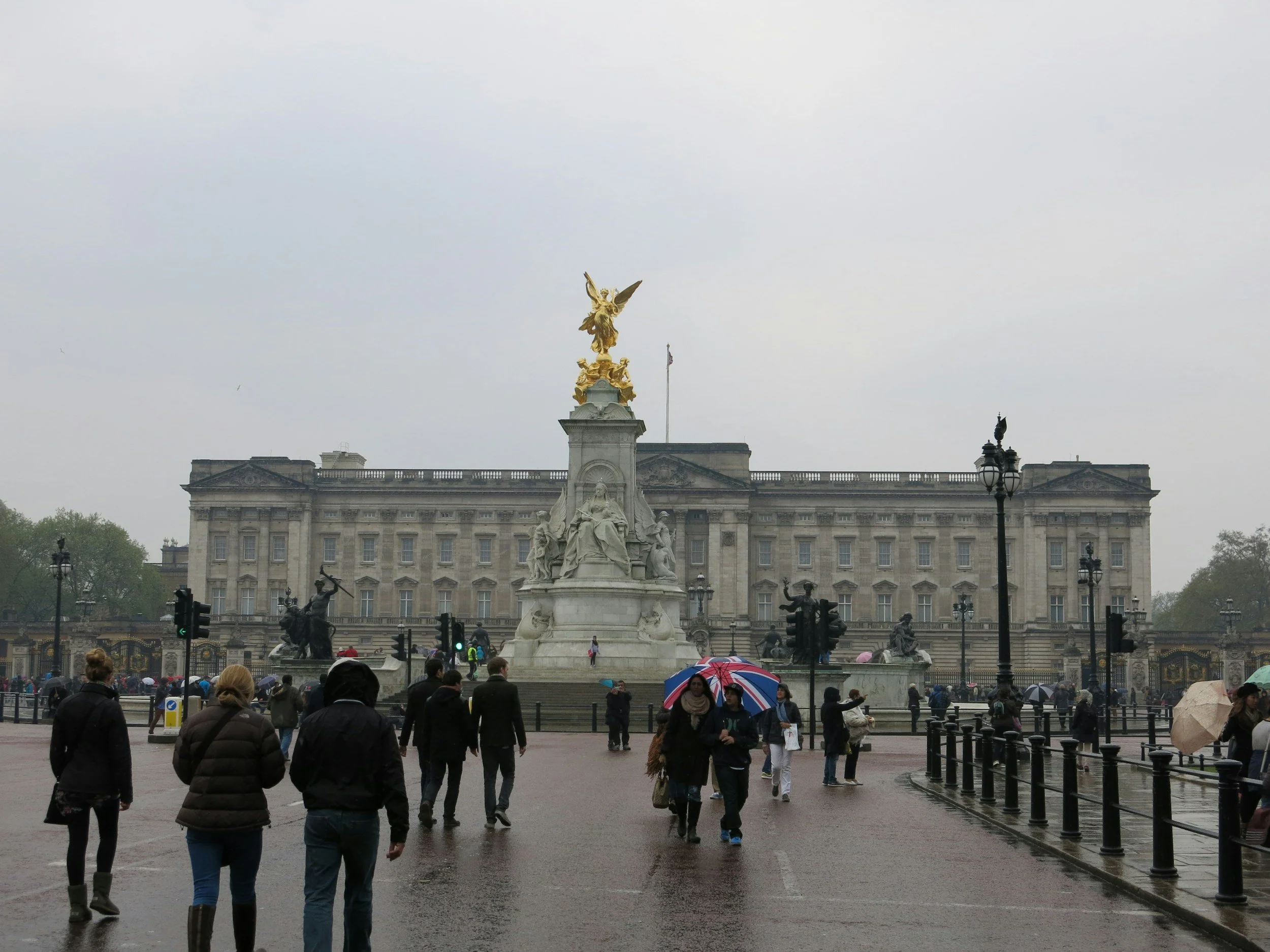
When someone says “there are loads of free things to do in London,” they're not wrong.
You can walk around Borough Market without paying an entrance fee. You can see Big Ben. You can photograph Tower Bridge. You can visit the British Museum, the National Gallery or Tate Modern, where permanent collections are free. London has an enormous number of free attractions and museums. Visit London's current 2026 guide, for example, lists many major museums and galleries with free admission.
But there's something those lists often forget.
How much did you spend getting there?
If you live in Zone 1 and can walk to the British Museum, then great. You genuinely have a free activity.
But if you live in Zone 6 and need to take the Tube or bus into central London, your “free” day has already cost you money before you've even reached the museum.
And that is what this guide is about.
We're not simply looking at free entry.
We're looking at how to have a genuinely £0 day out, where you don't have to pay for the Tube, bus, train or taxi either.
The only money you might spend is on food, drinks or anything you choose to buy.
The trick is to stop asking:
“What can I do for free in London?”
Instead ask:
“What can I do for free from where I live?”
That's a very different question.
First, what actually counts as a £0 day?
For this guide, I'm using a pretty strict definition.
£0 means:
£0 entrance fee
£0 Tube
£0 bus
£0 train
£0 taxi
£0 paid attraction
Walking there from home, or using a bicycle you already own
Food is separate because you can bring your own.
This also means Santander Cycles don't count as completely free transport. They can be cheap, but they aren't free: TfL currently lists pedal-bike hire from £1.65 for 30 minutes, with a £3.50 Day Pass for unlimited 60-minute rides.
So if we're being strict, cycling only counts as £0 if you already have a bike.
And that's important because the whole point of this article is not to redefine “cheap” as “free”.
Before we get into the zones: you can walk between zones
This is the part I really want people to understand.
Zone 1, Zone 2, Zone 3, Zone 4, Zone 5 and Zone 6 aren't walls.
They're fare zones used for public transport.
So if you're in Zone 6, you don't automatically have to pay to reach Zone 5.
If the Zone 5 boundary is within walking distance of your home, you can simply walk across it.
And then you can keep going.
The same applies to someone living in Zone 5 who wants to reach Zone 4, or someone in Zone 4 who wants to reach Zone 3.
The question isn't:
“What zone am I in?”
The better question is:
“How far away is the next free place I want to visit?”
TfL itself encourages Londoners to walk local journeys and provides walking routes and journey-planning tools to help find them. It even highlights journeys between some central Tube stations that are quicker or only slightly longer on foot.
So let's break London down.
Zone 1: You have the easiest £0 day
If you live in Zone 1 and you're prepared to walk, you're probably in the strongest position of anyone on this list.
You are surrounded by some of London's most famous free-to-enter attractions, parks, museums and public spaces.
Try:
The British Museum
The permanent collections are free to visit, so if you live close enough to walk there, you have a genuine £0 cultural day.
The National Gallery
Head to Trafalgar Square, visit the free permanent collection and then continue exploring the surrounding streets.
Tate Modern
If you're near the South Bank, you can visit the free collection and take in the Thames from the viewing areas.
St James's Park
No museum ticket needed. No transport needed if you're close enough to walk. Just take your own food and make the park the destination.
Hyde Park
Another straightforward option if you're within walking distance.
The Royal Parks confirms that its parks are free to explore.
The Zone 1 trick
Don't think you have to visit one free attraction.
You can make the walking journey itself part of the day.
For example:
Home → St James's Park → Buckingham Palace → Green Park → Trafalgar Square → National Gallery → home
If you live close enough to walk the whole route, you could spend an entire day seeing some of London's biggest sights for £0.
That's a much better proposition than paying for the Tube between every stop.
Zone 2: Walk into central London or don't
Zone 2 is where this gets particularly interesting.
Depending on where you live, you may be close enough to walk into Zone 1, but you also have plenty of free destinations within Zone 2 itself.
Good options include:
Hampstead Heath
If you're in north London, this can easily become an entire free day.
Walk through the Heath, head to Parliament Hill, bring a picnic and spend the afternoon outside.
Victoria Park
East London residents have one of the city's major public parks right on their doorstep. TfL highlights Victoria Park as a local green space with historic features and extensive areas to explore.
Queen Elizabeth Olympic Park
The park's public parklands, waterways and playgrounds are free to visit.
Greenwich Park
If you're around Greenwich, the park itself is free to explore and offers one of London's classic elevated views.
The Royal Parks confirms that Greenwich Park is free to visit.
And here's your advantage:
If the free attraction you want is technically in Zone 1, don't automatically take the Tube.
Check the walking distance.
TfL's own walking guidance highlights many central journeys where walking takes only a few minutes longer than the Tube and sometimes less time.
Zone 3: This is where local London becomes your advantage
Zone 3 is where I'd stop thinking about central London altogether.
You don't need to go to Westminster to have a good day.
You have huge parks, wetlands, canals, walking routes and local attractions.
Walthamstow Wetlands
If you're in northeast London, this is an excellent example of what we're talking about.
TfL highlights Walthamstow Wetlands as a major local green space, with more than 13 miles of paths and wildlife.
You can walk around, take photographs, watch birds and explore the reservoirs.
No attraction ticket.
No Tube.
No bus.
Just walk there.
Crystal Palace Park
If you're in south London and close enough to walk, Crystal Palace Park gives you another free option.
Explore the park, see the famous dinosaur sculptures and walk around the historic remains of the Crystal Palace site.
The canals
You can also make the local canal network your destination.
TfL promotes walking and cycling routes throughout London, including routes through neighbourhoods rather than simply between tourist attractions.
Zone 4: Stop trying to get into central London
If you're living in Zone 4, this is where the whole idea of the article becomes particularly useful.
You might look at a normal London itinerary and think:
“Everything interesting is in Zone 1.”
It isn't.
Try your local green spaces first.
Depending on exactly where you live, you may have access to:
large parks
canals
woodland
commons
wetlands
local museums
walking routes
historic sites
riverside paths
Gunnersbury Park is one example in west London.
Epping Forest stretches across northeast London and Essex and offers extensive free walking opportunities. The City of London publishes a current 2026 visitor guide covering its trails and access points.
And if your part of Zone 4 doesn't have an obvious attraction, that's not a reason to give up.
It's a reason to walk towards the next area.
Zone 5: Your £0 day might actually be better than a tourist day
This is where I think the article becomes genuinely useful.
If you're living in Zone 5, you might be tempted to think:
“There's nothing to do here. I need to go into London.”
But depending on exactly where you are, you may be surrounded by some of the capital's best free outdoor spaces.
Epping Forest
If you're close enough to walk, you have an enormous natural space to explore.
Large local parks and commons
Outer London has plenty of green space, and TfL specifically encourages people to explore local parks, walking routes and Cycleways rather than assuming they need to travel into central London.
Walk into Zone 4
And this is the important part.
Yes, you can walk from Zone 5 into Zone 4.
There is no charge for crossing a fare-zone boundary on foot.
If you live near the edge of Zone 5, you might be surprised by how much you can reach simply by walking.
Your route could be:
Home → Zone 4 park → free museum/gallery → another neighbourhood → walk home
Still £0.
Zone 6: What if there's “nothing” near me?
This is probably the most important section of the whole article.
Zone 6 is huge.
Someone living in one part of Zone 6 can have a completely different set of places nearby from someone living on the opposite side.
So I would never say:
“If you live in Zone 6, go to X.”
That's too broad.
Instead, use this rule.
Step 1: Find the nearest free place
Look for a park, woodland, museum, gallery, canal, common, river path or other public space.
Step 2: Set a walking radius
Try 30 minutes first.
If you're comfortable walking, try 45 minutes or an hour.
Step 3: Look across the Zone 6 boundary
If there isn't much nearby, check what's just inside Zone 5.
If that's still too far, check Zone 4.
Step 4: Walk there
You don't pay anything to cross from Zone 6 to Zone 5 on foot.
That's the entire trick.
You aren't “travelling to Zone 5” in the transport sense.
You're walking into the next part of London.
And if you're wondering whether that's realistic, TfL actively provides walking routes across Greater London, including the Capital Ring, Thames Path, Green Chain and other long-distance walking networks. The Walk London network passes through 32 London boroughs.
So Zone 6 doesn't have to be the end of your free day.
It can be the starting point.
What if Zone 6 really is too far from everything?
Then don't try to force a central-London attraction into a £0 article.
This is where we need to be honest.
If the nearest free attraction is 10 miles away, you can't magically make it free.
Walking 10 miles might technically cost £0, but that doesn't mean it's practical for everyone.
Instead:
Find something along the route.
Maybe the destination isn't the attraction.
Maybe the walk is.
You could walk through:
local park → woodland → canal → viewpoint → neighbourhood → home
You have created your own free London day.
TfL's walking network includes routes designed specifically to connect green spaces and neighbourhoods across London.
What about cycling?
If you already own a bicycle, cycling changes the game completely.
You can travel much further than you can on foot without paying for transport.
TfL promotes cycling as a way to explore London and provides Cycleways and cycle maps linking communities and destinations across the capital.
So someone in Zone 6 with a bike might realistically reach somewhere that would be too far to walk.
But remember:
Your own bike = £0 transport.
Santander Cycle = not £0.
Santander Cycles currently cost money to hire, even though they're relatively cheap.
So don't call a Santander ride “free travel” in a blog specifically about £0 days.
Here's how I'd actually plan a £0 London day
Let's say you're living in Zone 6.
Don't open Google and search:
“Free things to do in London.”
You'll immediately get the British Museum, National Gallery, Sky Garden and other central attractions.
Instead, search around your own home.
Look for:
“parks near me”
“free museums near me”
“walking routes near me”
“nature reserves near me”
“canal walk near me”
Then check the walking route.
If it's 25 minutes away?
Perfect.
If it's 50 minutes?
Still possible if you enjoy walking.
If it's 2 hours?
Maybe that's not your £0 day.
Find something else.
This is also where TfL's journey planner and walking tools are useful because you can specifically plan walking journeys rather than defaulting to public transport.
And here's the secret: you don't need to visit an attraction
This might be the biggest mindset change.
A £0 London day doesn't have to look like:
Museum → landmark → attraction → landmark
It can look like:
Walk → park → picnic → river → sunset → walk home
And honestly, that can be a better day.
You could spend three hours exploring a park you've never properly visited.
You could walk along a canal you've passed hundreds of times.
You could photograph old buildings in your neighbourhood.
You could follow part of the Capital Ring.
You could find a viewpoint.
You could sit somewhere with your own food and watch London go by.
None of that requires a ticket.
The difference between “free” and actually free
This is the part I really want you to remember.
Big Ben is free to look at.
But if you spend £6–£10 travelling into central London to see it, your day isn't £0.
The British Museum is free to enter.
But if you spend money travelling there, the museum is free — your day isn't.
Borough Market is free to walk around.
But getting there costs money, and the market itself is probably going to tempt you to spend more.
That's not a criticism.
It's simply the difference between free admission and free travel + free activity.
And that's why this guide exists.
Your London zone doesn't decide how much fun you can have
One of the strange things about London is that we often think of the centre as the place where everything happens.
But the further you travel out, the more you start discovering a different London.
Woodlands.
Canals.
Parks.
Reservoirs.
Commons.
Local museums.
Walking trails.
Historic neighbourhoods.
Rivers.
And huge open spaces.
TfL's own advice is remarkably aligned with this idea: you don't have to travel far to find good walks, cycle routes and parks, and its walking network connects green spaces and neighbourhoods throughout Greater London.
So if you're in Zone 6, don't automatically think:
“I need to go to Zone 1.”
Ask:
“What's 30 minutes from me?”
If there's something good there, you've won.
If not, ask:
“What's 30 minutes beyond that?”
And if the next zone is walkable?
Walk there.
The £0 London challenge
Here's a challenge you can actually try.
Pick a Saturday.
Start with £0.
No Tube.
No bus.
No train.
No taxi.
No paid attraction.
Bring your own food and water.
Then walk out of your front door.
Give yourself a destination within walking distance.
Spend the day exploring.
And walk home.
You might discover a park you've never entered.
A canal you've never followed.
A neighbourhood you've never properly explored.
A viewpoint you've never noticed.
Or a free museum you never knew existed.
And the best part?
When you get home, you can genuinely say:
“I spent nothing today.”
Not because London suddenly became free.
But because you didn't need to pay to experience it.
London doesn't have to be expensive
The next time you see another list saying “50 free things to do in London,” look beyond the word free.
Ask where the attraction is.
Ask how you're getting there.
Ask whether the journey costs money.
Because a £0 entrance ticket doesn't automatically mean a £0 day.
The smarter way to explore London is to start from where you actually live.
If you're in Zone 1, walk the centre.
If you're in Zone 2, explore locally or walk into Zone 1.
If you're in Zone 3 or 4, look at your parks, waterways and neighbourhoods before travelling centrally.
If you're in Zone 5, explore the outer London green spaces and walk towards the next zone when it's practical.
And if you're in Zone 6, don't assume you're stuck. Walk towards Zone 5, explore what's around you, or use your own bike to expand your range.
Because the best free London day isn't necessarily the one where you find the most famous free attraction.
It's the one where you don't spend anything getting there either.
Discover more genuinely affordable London ideas, local places and things to do on LondonYaar.com.
Follow @rohan.londonyaar for more London travel, hidden gems and things to do.