London's Hidden Bookshops: Why So Many Are Tucked Away Below Street Level
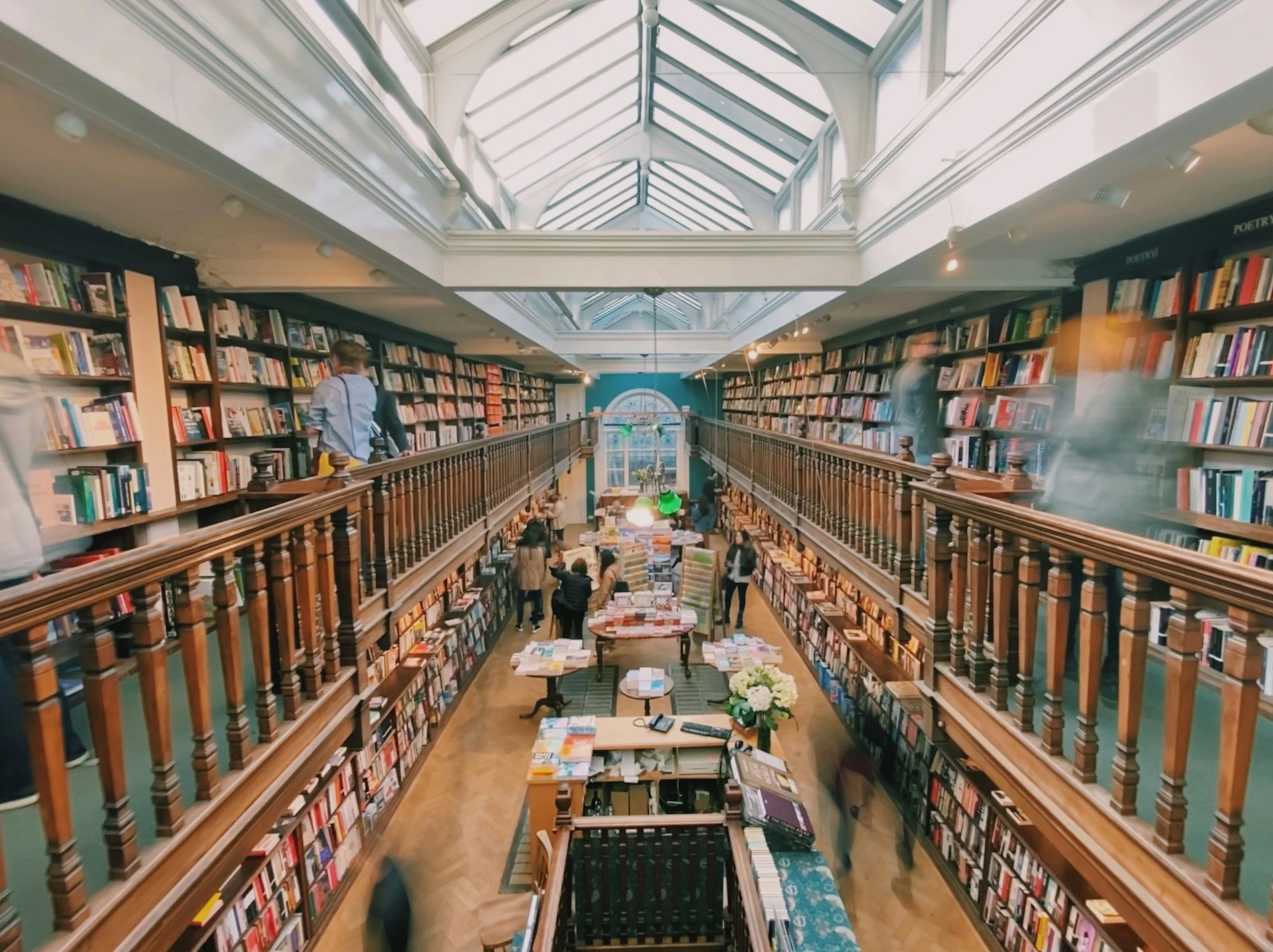
One of the joys of exploring London is discovering places you weren't looking for.
A hidden courtyard behind a busy road. A centuries-old pub down a narrow alley. A tiny café tucked beneath an office building.
And then there are the bookshops.
Some of London's most fascinating bookshops aren't found on prominent high streets or inside modern shopping centres. Instead, they're hidden in basements, railway arches, lower-ground floors and tucked-away corners that many people walk past without noticing.
It raises an interesting question.
Why does London seem to have so many bookshops hidden below street level?
The answer lies in the city's history, architecture, property market and the independent spirit that keeps these shops alive.
London Is a City Built in Layers
Unlike many modern cities, London wasn't planned all at once.
It evolved over centuries.
Roman streets gave way to medieval lanes. Georgian townhouses were built beside older structures. Victorian developments transformed entire neighbourhoods while still preserving parts of what came before.
As a result, London became a city of layers.
Walk around areas such as Bloomsbury, Soho, Covent Garden or Marylebone and you'll notice that many buildings have lower-ground floors or basements that sit just below street level.
What were once storage areas, workshops, kitchens and service spaces have often found new lives as shops, cafés, galleries and, in some cases, bookshops.
Bookshops Don't Need Prime Shopfronts
Many retailers depend on visibility.
Fashion stores want large windows.
Restaurants want passing foot traffic.
Bookshops often work differently.
Readers are willing to seek them out.
Some of the most successful independent bookshops attract customers specifically because they feel like discoveries.
Finding a bookshop hidden down a staircase or tucked beneath a historic building can feel like uncovering a secret.
For many book lovers, that's part of the appeal.
Lower Rents Help Independent Shops Survive
Running an independent bookshop in London isn't easy.
Rising property costs have forced many small businesses to become creative about where they operate.
Lower-ground units and less visible spaces are often more affordable than prominent street-level locations.
For independent booksellers, this can make a significant difference.
A basement bookshop may not attract as many casual visitors, but lower overheads can help keep the business sustainable.
In a city where commercial rents can be extraordinarily high, hidden spaces often provide opportunities that wouldn't otherwise exist.
The Atmosphere Is Part of the Experience
Bookshops and basements seem to work surprisingly well together.
There's something about descending a few steps away from the noise of the street that changes the atmosphere.
The city feels more distant.
The pace slows down.
Shelves packed with books suddenly feel more immersive.
Many readers enjoy the feeling of stepping into a different world before they've even opened a book.
That's one reason why some of London's most memorable bookshops feel less like shops and more like hidden sanctuaries.
Charing Cross Road and London's Bookshop Culture
No discussion of London's bookshops would be complete without mentioning Charing Cross Road.
For decades, this area has been associated with bookselling.
While many famous shops occupy street-level premises, the surrounding neighbourhood also contains specialist stores hidden within courtyards, upper floors and lower-ground spaces.
The culture of browsing and discovery became part of London's identity long before online shopping existed.
That tradition continues today.
Railway Arches and Unexpected Spaces
London's railway network has also played a role.
Across the city, Victorian railway arches have been transformed into cafés, studios, markets and independent businesses.
Some booksellers have found homes in these unconventional spaces.
The combination of historic architecture and affordable premises creates environments that feel distinctly London.
These aren't the polished chain stores found in shopping centres.
They're places with character.
Why Readers Love Hidden Bookshops
The appeal isn't only about books.
It's about the experience.
A hidden bookshop offers something increasingly rare in modern cities: surprise.
You might enter looking for one title and leave an hour later with three books you never intended to buy.
You might discover an author you've never heard of.
Or find yourself chatting with a bookseller who knows exactly what to recommend.
Those moments are difficult to replicate online.
Some of London's Most Memorable Bookshops Feel Like Discoveries
Part of the charm of London's literary scene is that not every great bookshop announces itself loudly.
Some are hidden behind modest entrances.
Some occupy basement spaces.
Some are reached by descending narrow staircases.
Others are tucked away in corners of the city that tourists rarely explore.
The journey to the bookshop becomes part of the story.
And that's something readers tend to appreciate.
More Than Just Places to Buy Books
Independent bookshops often serve another purpose.
They're gathering places.
They host events, readings, signings and discussions.
They introduce people to new ideas and new writers.
In an era dominated by digital convenience, these spaces continue to offer something deeply human.
That's one reason Londoners remain fiercely loyal to them.
Why London's Hidden Bookshops Matter
London is famous for major attractions.
The Tower of London.
Buckingham Palace.
The British Museum.
Yet some of the city's most memorable experiences happen on a much smaller scale.
A quiet afternoon spent browsing a hidden bookshop may not appear on every itinerary, but it often becomes the kind of experience people remember.
These spaces reveal a different side of London.
A slower side.
A more curious side.
A side that rewards exploration.
Final Thoughts
London's hidden bookshops aren't really about being underground.
They're about discovery.
The city's layered history, unusual architecture and thriving independent culture have created countless spaces where bookshops can flourish away from the spotlight.
Some occupy basements.
Others hide behind unassuming doors or inside forgotten corners of historic buildings.
Together, they form part of what makes London such a rewarding city to explore.
Because sometimes the best places aren't the ones you planned to visit.
They're the ones you stumble upon by accident.
Looking for More Hidden Corners of London?
From secret streets and independent bookshops to historic alleys and overlooked neighbourhoods, discover more unique London guides on LondonYaar.com. And follow @rohan.londonyaar for more ways to experience the city beyond the obvious.