London’s Blue Plaques Explained: What They Mean and Where to Find Them
Walk through almost any historic part of London and you'll eventually spot one.
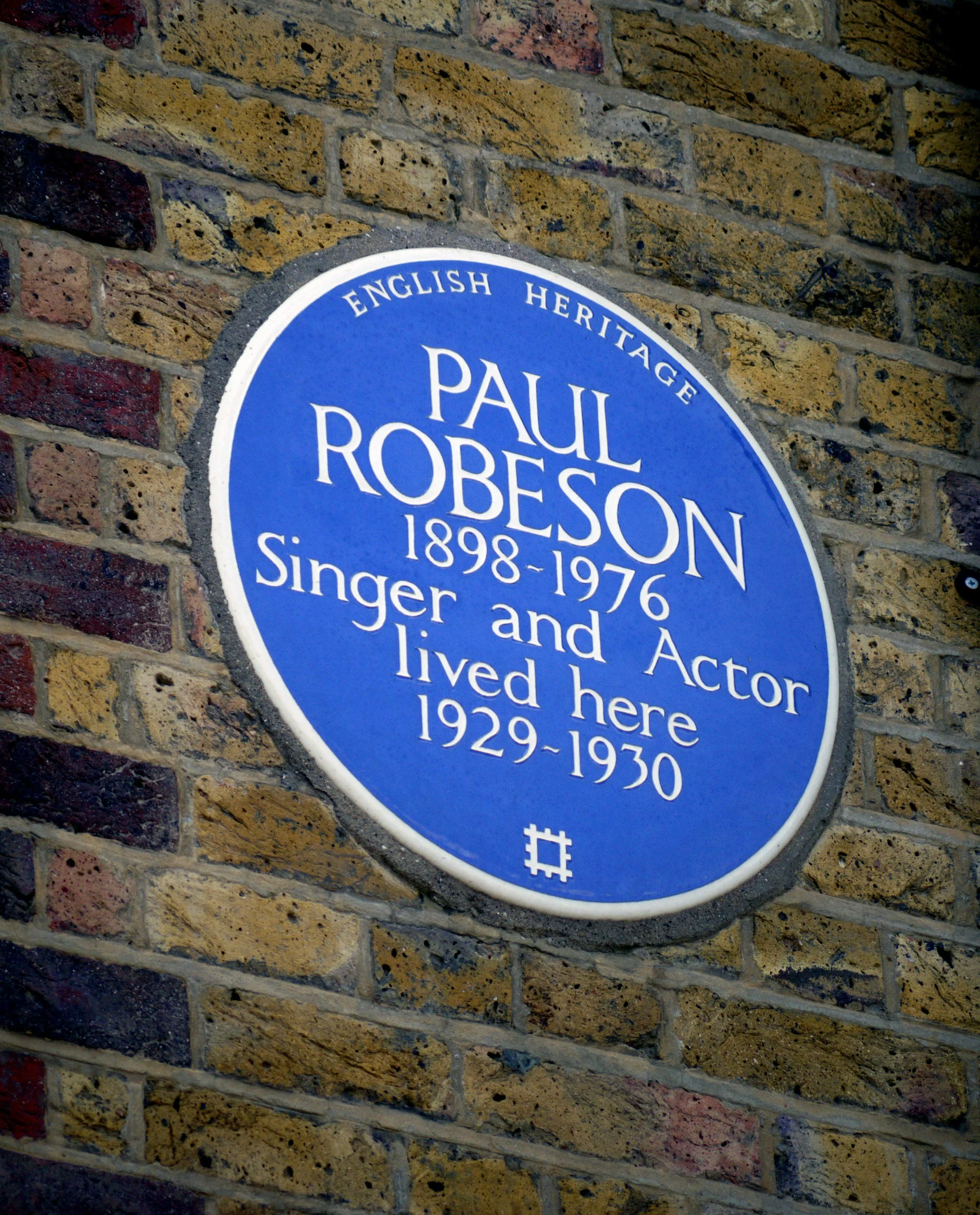
A bright blue circular plaque attached to the side of a building. Sometimes it's above a front door. Sometimes it's tucked away on a quiet residential street. Other times it's fixed to a grand townhouse that thousands of people pass every day without noticing.
Take a closer look and you'll discover a name.
Maybe it's Charles Dickens.
Perhaps it's Virginia Woolf.
You might find David Bowie, Winston Churchill, Freddie Mercury, Mahatma Gandhi, Emmeline Pankhurst or even Jimi Hendrix.
These iconic markers are known as Blue Plaques, and they are one of London's most fascinating ways of preserving history.
Unlike museums, monuments or historic attractions, blue plaques weave history directly into the everyday city. They transform ordinary houses, flats, offices and streets into places of significance, quietly reminding Londoners and visitors alike that extraordinary people once lived, worked or created something remarkable right where they're standing.
But what exactly are London's blue plaques? Who decides where they go? And where can you find some of the most interesting examples?
Let's explore one of London's most beloved traditions.
What Is a Blue Plaque?
A blue plaque is a permanent sign installed on a building to commemorate a significant person who lived, worked or had an important connection to that location.
Most plaques are instantly recognisable thanks to their circular shape and bright blue colour. They typically include:
The person's name
Their profession or achievement
Their birth and death dates
A statement explaining their connection to the building
For example, a plaque might read:
"David Bowie (1947–2016), singer and songwriter, lived here."
The idea is simple: to connect famous people and important historical figures directly to the places where they once lived or worked.
Today there are more than 1,000 blue plaques across London, making it one of the world's largest historical recognition schemes. The official London Blue Plaques programme is run by English Heritage.
When Did the Blue Plaque Scheme Begin?
Many people assume blue plaques are a relatively modern idea.
In reality, they have been part of London's streetscape for more than 150 years.
The scheme began in 1866, making it the oldest programme of its kind anywhere in the world.
The first plaque was installed to honour Lord Byron, the famous Romantic poet, at his former home in Holles Street near Oxford Street.
Unfortunately, that building was later demolished, meaning London's first-ever blue plaque no longer exists.
The oldest surviving plaque can be found at King Street in Westminster, where it commemorates Napoleon III, who once lived there before becoming Emperor of France.
What started as a small initiative gradually evolved into one of London's most recognisable historical traditions.
Who Decides Who Gets a Blue Plaque?
This is one of the most common questions people ask.
Not every famous person automatically receives a plaque.
In fact, the selection process is surprisingly strict.
According to English Heritage, a candidate must generally have:
Made a significant contribution to human welfare or happiness
Achieved outstanding recognition in their field
Been dead for at least 20 years (or have passed the centenary of their birth)
Had a genuine and meaningful connection to the building
There must also be strong historical evidence linking the person to the address.
Simply visiting a location occasionally is not enough.
This careful approach helps ensure that plaques maintain their credibility and historical significance.
Why Are Blue Plaques Important?
At first glance, a small circular sign might not seem particularly significant.
Yet blue plaques perform an important role in preserving London's heritage.
Unlike museums, they place history exactly where it happened.
Imagine standing outside a terraced house in Bloomsbury and learning that Virginia Woolf once lived there.
Or walking through Soho and discovering that Mozart composed music nearby as a child.
Suddenly the city feels different.
The streets become more than roads and buildings.
They become stages where history unfolded.
Blue plaques help bridge the gap between past and present, allowing people to experience London's history in a personal and immediate way.
Famous Blue Plaques You Can Visit
London's plaques celebrate an astonishing variety of individuals.
Writers, scientists, musicians, politicians, artists, activists and innovators all appear throughout the city.
Charles Dickens – Bloomsbury
One of Britain's greatest novelists lived at 48 Doughty Street, now home to the Charles Dickens Museum.
His blue plaque marks a building where he wrote parts of Oliver Twist and The Pickwick Papers.
Winston Churchill – Westminster
Several locations associated with Britain's wartime prime minister feature commemorative plaques.
These sites offer fascinating insights into Churchill's life before and after his time in government.
Jimi Hendrix – Mayfair
Perhaps one of London's coolest plaques can be found at 23 Brook Street.
The legendary guitarist lived here between 1968 and 1969.
Remarkably, the building also has connections to composer George Frideric Handel, creating an unusual link between classical and rock music history.
David Bowie – Brixton
Bowie's influence on London culture remains enormous.
Although not every site associated with him carries an official plaque, locations connected to his life continue to attract visitors from around the world.
Mahatma Gandhi – Kensington
The Indian independence leader lived in London during key periods of his life, and plaques help mark these important connections.
Which Areas Have the Most Blue Plaques?
If you're hoping to spot several plaques during a walk, certain neighbourhoods are particularly rewarding.
Bloomsbury
Home to writers, academics and intellectuals for centuries, Bloomsbury contains numerous plaques linked to literary history.
Westminster
Political figures, government leaders and influential historical personalities are commemorated throughout Westminster.
Kensington and Chelsea
Many artists, musicians and notable public figures lived in these affluent districts.
Mayfair
Elegant Georgian streets conceal fascinating stories connected to politicians, aristocrats, writers and musicians.
Hampstead
Known for attracting artists, poets and intellectuals, Hampstead offers some of London's most interesting blue plaque discoveries.
Can Anyone Suggest a Blue Plaque?
Yes.
Members of the public can nominate individuals for consideration.
English Heritage reviews nominations and assesses them according to strict criteria.
The process often involves extensive historical research to verify a candidate's achievements and connection to the building.
Not every nomination succeeds, but public involvement helps ensure the scheme continues to reflect a broad range of historical figures.
How to Explore London's Blue Plaques
One of the best things about blue plaques is that they transform a normal walk into a treasure hunt.
Instead of following a traditional sightseeing route, try choosing a neighbourhood and simply looking up.
You might discover:
A Nobel Prize-winning scientist lived on your street
A famous author wrote a bestselling novel nearby
A groundbreaking activist once called the area home
A legendary musician rehearsed in an otherwise ordinary building
Many visitors use the official English Heritage map to plan self-guided plaque walks across different parts of London.
It's a fantastic way to explore beyond the city's major tourist attractions.
A Living Museum Without Walls
What makes London's blue plaques so special is that they don't require tickets, queues or opening hours.
They're available to everyone, every day.
Together they create what is essentially a city-wide museum without walls.
Every plaque tells a story.
Every street offers the possibility of discovery.
And every walk through London becomes an opportunity to connect with people who shaped literature, science, politics, music, art and culture.
In a city famous for its grand landmarks, some of its most fascinating historical treasures are often no bigger than a dinner plate.
Final Thoughts
The next time you're exploring London, remember to look up.
Those blue circles attached to buildings aren't just decorative features. They're windows into the lives of remarkable people who helped shape the city and in many cases, the world.
From writers and scientists to musicians, activists and political leaders, London's blue plaques tell thousands of stories hidden in plain sight.
They're one of the simplest yet most rewarding ways to discover the capital's rich history.
And once you start noticing them, you'll find it almost impossible to stop looking.