Kavala, Greece: Everything You Need to Know Before You Visit
Mention Greece, and most people immediately think of Santorini's whitewashed villages, Mykonos' beach clubs or Athens' ancient landmarks.
But head to the country's northern coastline and you'll discover a destination that many international travellers still overlook.
Welcome to Kavala.
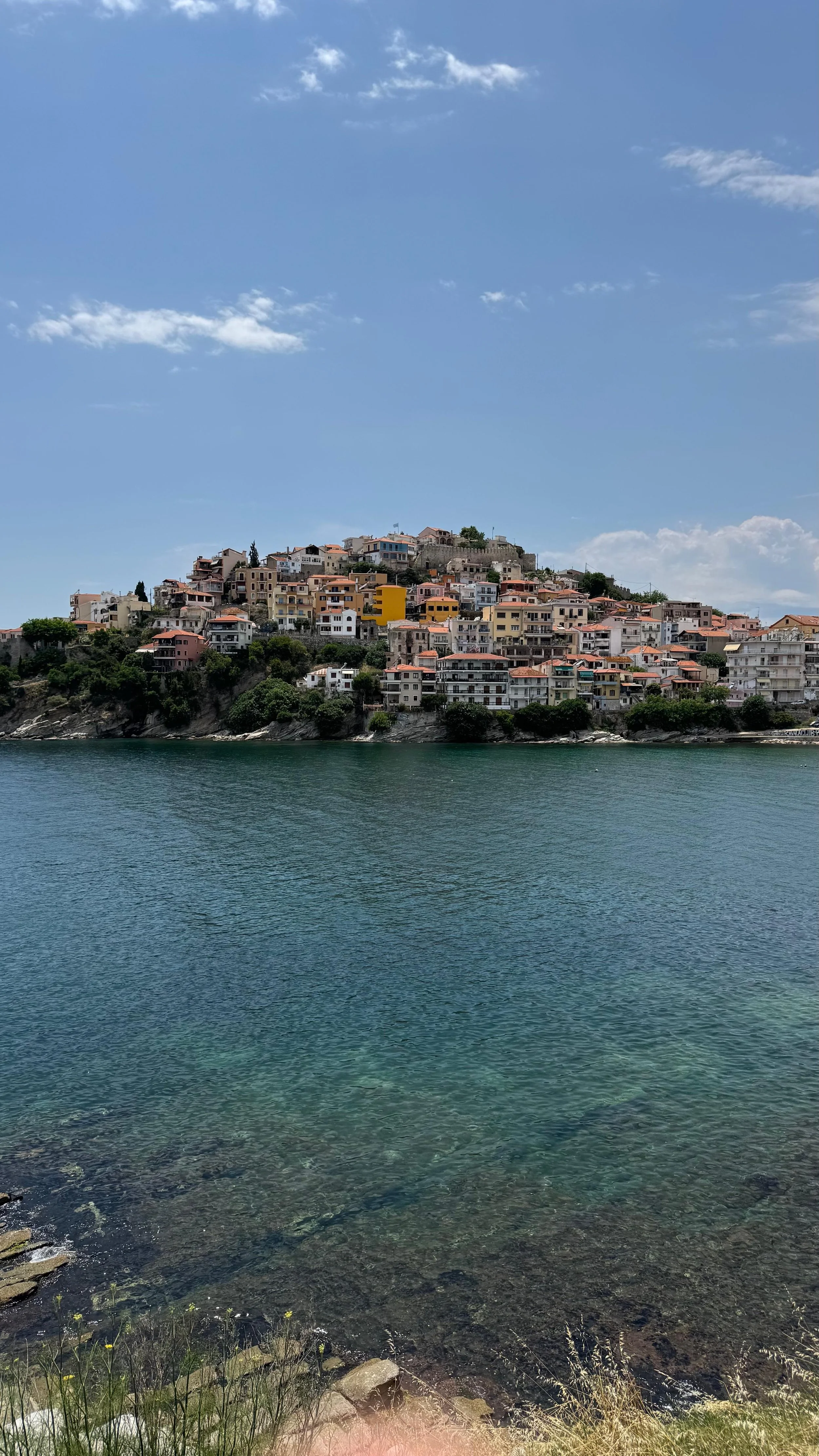
Built amphitheatre-style around a natural harbour on the Aegean Sea, Kavala combines beautiful coastal scenery, fascinating history, excellent food and easy access to some of northern Greece's most impressive attractions. It has all the ingredients that make people fall in love with Greece, yet it remains far less talked about than the country's famous islands and tourist hotspots.
While destinations such as Santorini, Corfu and Crete attract millions of visitors every year, Kavala offers a more relaxed experience without sacrificing culture, beaches or character.
If you're looking for a Greek destination that feels authentic, walkable and full of surprises, here's everything you need to know before visiting Kavala.
Where Is Kavala?
Kavala is located in the region of Eastern Macedonia and Thrace in northern Greece, overlooking the Aegean Sea.
The city sits between Thessaloniki and the Turkish border and serves as an important port, commercial centre and gateway to the wider region.
What makes Kavala particularly appealing is its setting. Colourful houses climb the hillside above the harbour, historic landmarks rise above the waterfront and the sea is rarely out of sight.
Unlike many seasonal resort towns, Kavala is a real city where people live year-round. That gives it a more authentic atmosphere than destinations built primarily around tourism.
Why More Travelers Are Discovering Kavala
Kavala isn't a secret.
Greeks, travellers from neighbouring Balkan countries and returning visitors have appreciated the region for years.
What makes it interesting is that it remains far less popular with many British and international tourists than destinations such as Santorini, Rhodes or Corfu.
As a result, visitors often find:
A more relaxed atmosphere
Less crowded historic sites
Easier restaurant reservations
Beautiful beaches without island-level crowds
A stronger sense of local life
That's not to say you'll have the city entirely to yourself especially during summer but Kavala generally feels more laid-back than many of Greece's most famous tourist destinations.
Start Your Visit in the Old Town
The best way to understand Kavala is to begin in Panagia, the city's historic old town.
Located on a peninsula overlooking the harbour, this neighbourhood is filled with winding streets, colourful houses, stone pathways and viewpoints that reveal stunning views across the sea.
Walking through Panagia feels like travelling through different periods of history.
You'll encounter traces of:
Byzantine rule
Ottoman influence
Modern Greek culture
all within a relatively small area.
The slower pace is part of the appeal.
Unlike destinations where visitors rush from attraction to attraction, Kavala rewards wandering.
The Surprising Connection to Egypt
One of Kavala's most unexpected stories involves Egypt.
Muhammad Ali Pasha, widely regarded as the founder of modern Egypt, was born in Kavala in 1769.
His former residence remains one of the city's most important landmarks and can still be visited today.
Nearby, you'll find Muhammad Ali Square, which offers excellent views over the harbour and serves as one of the most photographed spots in the city.
It's a reminder that Kavala's history stretches far beyond Greece itself.
Climb to Kavala Castle
Perched above the old town is Kavala Castle, one of the city's most iconic landmarks.
The fortress has roots in Byzantine times and was later expanded during the Ottoman period.
While the history is fascinating, most visitors come for the views.
From the castle walls, you can see:
The old town below
The harbour
The Aegean coastline
The surrounding mountains
On a clear day, the scenery is spectacular.
If you're visiting Kavala for the first time, this should be near the top of your list.
Don't Miss the Kamares Aqueduct
Ask someone to show you a photo of Kavala and there's a good chance you'll see the Kamares Aqueduct.
Its enormous stone arches stretch dramatically across part of the city and create one of northern Greece's most distinctive urban landscapes.
The structure dates largely from the Ottoman era and once played a crucial role in supplying water to the city.
Today, it's one of Kavala's most recognisable landmarks and a favourite photography spot.
Visit Ancient Philippi
Just a short drive from Kavala lies one of Greece's most important archaeological sites.
Philippi was founded by Philip II of Macedon, father of Alexander the Great, before later becoming a significant Roman city.
Today, visitors can explore:
Ancient roads
Theatres
Basilicas
Public forums
Remarkably preserved ruins
In 2016, Philippi was added to UNESCO's World Heritage List, recognising its historical significance and exceptional preservation.
Even travellers who aren't particularly interested in archaeology often find themselves impressed by the scale and atmosphere of the site.
The Beaches Are Better Than Most People Expect
Many travellers visit Kavala for its history and leave talking about the beaches.
Within the city itself you'll find several popular coastal areas, while nearby beaches offer some of the best seaside experiences in northern Greece.
Popular options include:
Kalamitsa Beach
A convenient city beach with calm waters and easy access from central Kavala.
Batis Beach
Popular with both visitors and locals, offering organised facilities and beautiful sea views.
Nea Peramos
A coastal town close to Kavala known for its relaxed atmosphere and excellent beaches.
Ammolofoi Beach
Often considered one of the finest beaches in northern Greece.
With golden sand and crystal-clear water, Ammolofoi frequently surprises visitors who expect the country's best beaches to be found only on the islands.
While beaches can become busy during peak summer weekends, they are generally less crowded than many famous Greek island destinations.
Eat Like a Local
Being a historic port city, seafood naturally plays a major role in Kavala's food scene.
Expect menus featuring:
Fresh fish
Grilled octopus
Mussels
Traditional Greek salads
Local meze dishes
The city's position at the crossroads of different cultures has also influenced its cuisine.
Greek, Ottoman and regional Balkan traditions all contribute to the flavours you'll encounter.
Don't leave without trying local sweets, particularly the famous kourabiedes traditional almond biscuits covered in powdered sugar that are popular throughout the region.
Meals here tend to be relaxed, social affairs rather than rushed dining experiences.
How to Get to Kavala
Despite being relatively unknown to some international travellers, Kavala is surprisingly accessible.
By Air
The nearest airport is Kavala International Airport (Alexander the Great Airport), located around 30 kilometres from the city centre.
Depending on where you're travelling from, you may find direct seasonal flights or connections through Athens.
Via Thessaloniki
Many visitors fly into Thessaloniki, Greece's second-largest city, and then continue to Kavala by car or coach.
The journey typically takes around two hours.
By Ferry
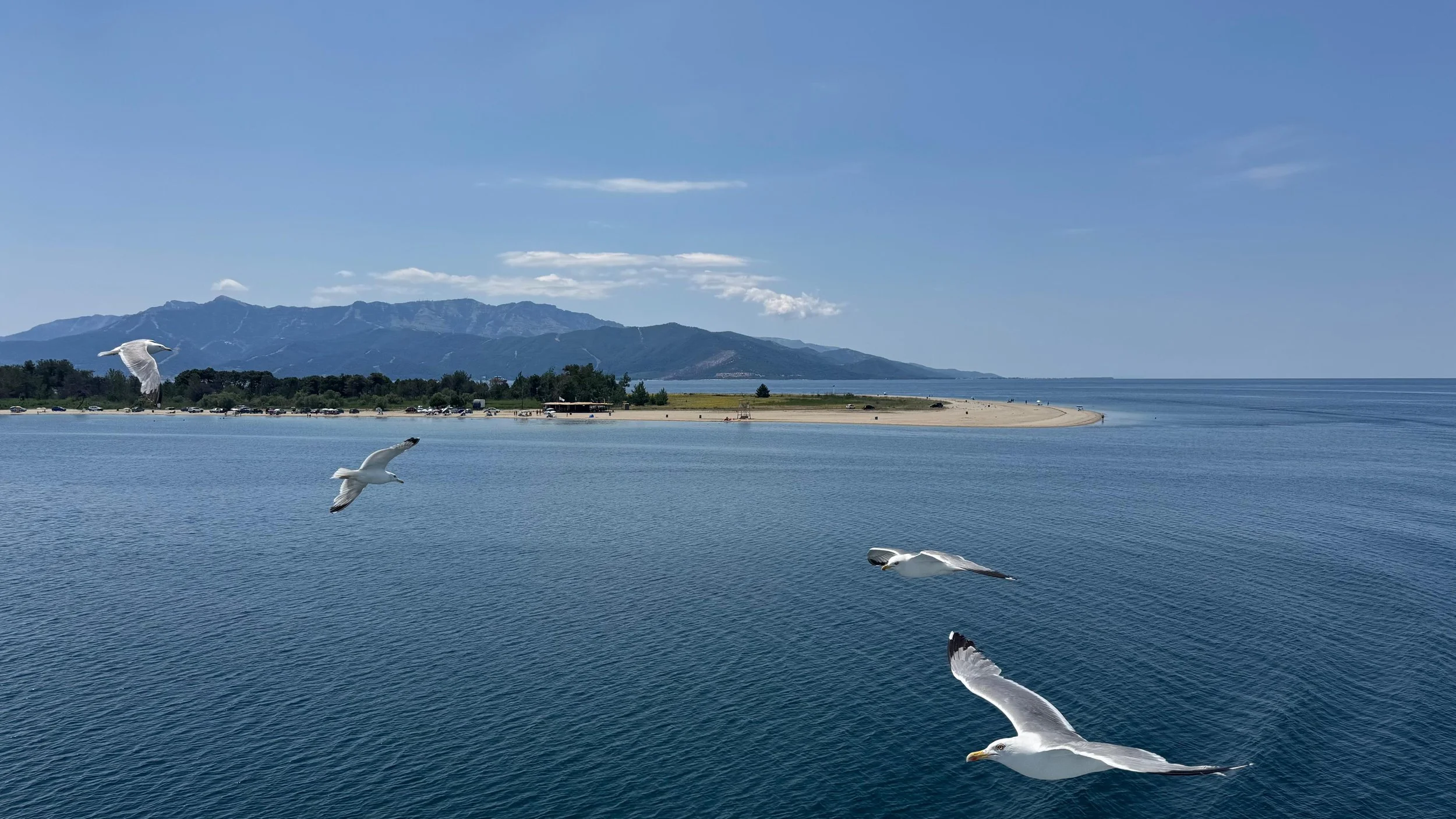
Kavala is also an important ferry gateway to Thassos, one of Greece's most beautiful islands.
Many travellers combine both destinations into a single trip.
Best Time to Visit Kavala
Kavala is enjoyable throughout much of the year, but some seasons are particularly appealing.
May and June
Warm weather, fewer crowds and excellent sightseeing conditions.
July and August
Peak summer season with hot temperatures, lively beaches and a busier atmosphere.
September
One of the best times to visit.
The sea remains warm, temperatures are comfortable and visitor numbers begin to decrease.
Spring and Autumn
Ideal for exploring historical sites, walking through the old town and enjoying a slower pace.
Is Kavala Worth Visiting?
If you're looking for beach clubs and nonstop nightlife, there are other Greek destinations that may suit you better.
But if you want a destination that combines:
History
Beaches
Great food
Authentic local culture
Beautiful scenery
Fewer crowds than Greece's biggest hotspots
then Kavala is absolutely worth considering.
It offers a side of Greece that many international visitors never experience.
Final Thoughts
Some destinations become famous because they're beautiful.
Others become memorable because they still feel genuine.
Kavala manages to be both.
From its hilltop castle and historic old town to its nearby UNESCO-listed ruins and stunning beaches, the city offers an experience that feels distinctly Greek without the overwhelming crowds often associated with the country's most famous destinations.
Visitors looking for a destination that combines culture, coastline and character may find Kavala one of Greece's most rewarding discoveries.
And while it may not stay under the radar forever, for now it remains one of those places that leaves travellers wondering why more people aren't talking about it.
Planning Your Next European Adventure?
From hidden coastal cities and underrated destinations to practical travel guides and local insights, discover more travel inspiration on LondonYaar.com. Follow @rohan.londonyaar for more unique places worth adding to your bucket list.