How to Travel Around London Without Using the Tube
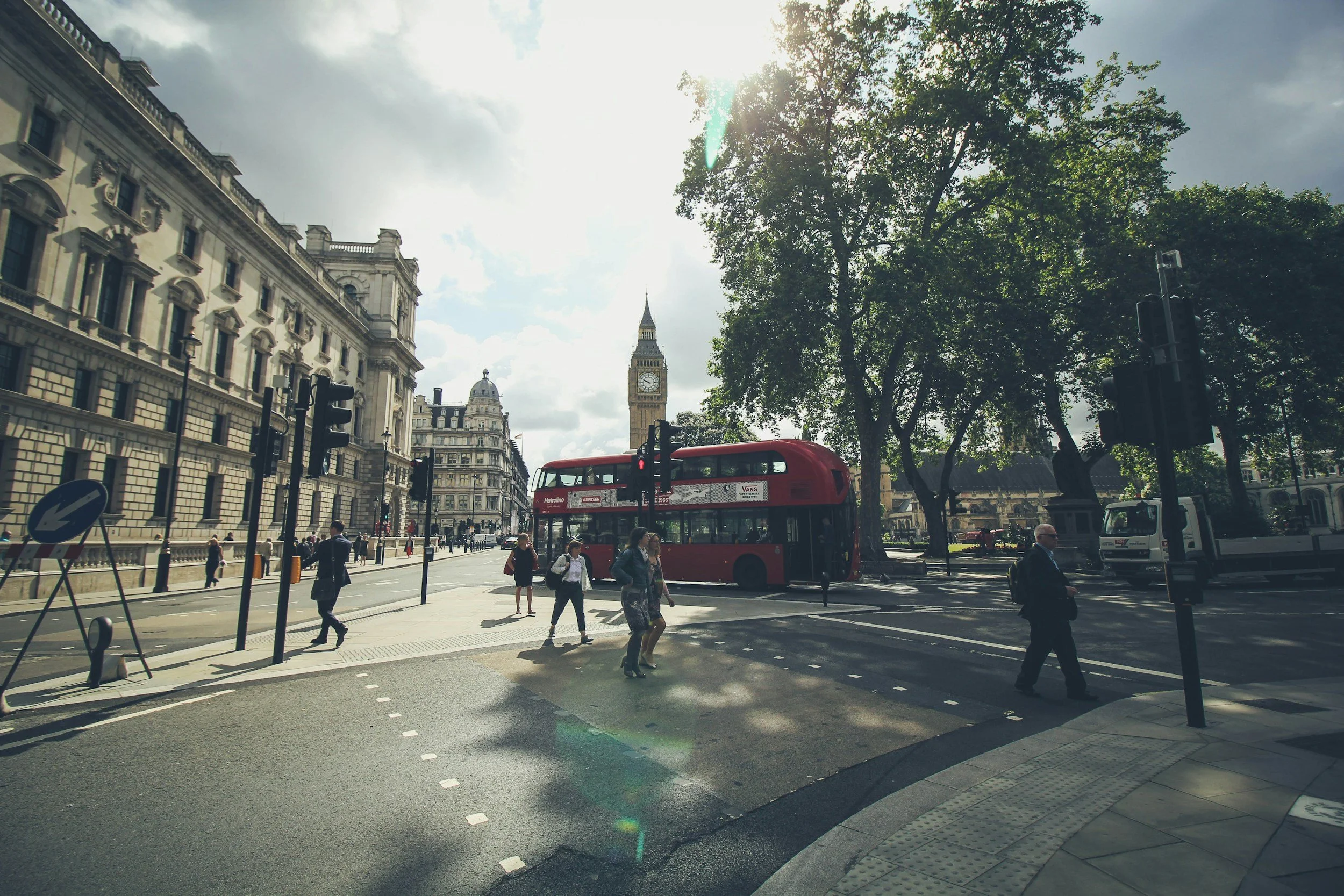
When most people think about getting around London, they immediately think of the Underground.
The Tube is fast, famous and incredibly useful but it isn't your only option.
In fact, there are plenty of times when taking a bus, walking, cycling or even travelling along the Thames can make your London journey easier and more enjoyable.
Whether you dislike crowded Underground stations, want to avoid stairs, are travelling with children or luggage, or simply want to see more of London while you move around, here's how to travel around London without using the Tube.
1. Take a London bus
The simplest alternative to the Tube is also one of the most useful: the London bus.
London's bus network covers huge parts of the city, and buses can be particularly useful when you're travelling relatively short distances or want to actually see the streets you're passing through.
Instead of disappearing underground, you can sit upstairs, look out of the window and watch London change around you.
Buses are especially useful around central London, where several attractions are close enough to connect by road.
For example, you can travel between areas around Westminster, Trafalgar Square, Piccadilly, Oxford Street and Marble Arch without necessarily going underground.
TfL provides live bus arrivals and route information, and the TfL Go app can show you bus-only routes.
Best for: sightseeing, short journeys and seeing London from above ground.
2. Use the Overground
Don't assume that avoiding the Tube means avoiding trains.
London's London Overground network is one of the easiest ways to travel between parts of London without using the Underground.
It is particularly useful when you're travelling across outer or east, south-east, north and west London areas where the Tube isn't necessarily the most direct option.
The Overground is also useful for reaching neighbourhoods that many visitors don't normally explore.
You can plan Overground journeys through TfL Go and check live services before leaving.
Best for: longer journeys across London and reaching neighbourhoods outside central London.
3. Take the DLR
If you're exploring east London, the DLR can be a fantastic alternative.
The Docklands Light Railway connects places including Canary Wharf, Greenwich, London City Airport and other parts of east London.
And unlike travelling underground, many sections of the DLR are elevated, giving you views of London's modern skyline and Docklands.
It is particularly useful if you're planning a day around Greenwich, Canary Wharf and east London.
Best for: Greenwich, Docklands, Canary Wharf and east London.
4. Travel along the Thames
One of the most enjoyable ways to travel across London is also one of the most overlooked: the River Bus.
River Bus services operated by Uber Boat by Thames Clippers run between piers from Putney in the west to Barking Riverside in the east.
That means you can travel between parts of London while sitting on the Thames and watching landmarks pass by.
Depending on your route, you can see places such as:
Westminster
London Eye
St Paul's
Tower Bridge
Canary Wharf
Greenwich
You can use contactless or Oyster on River Bus services, although river journeys do not count towards the normal TfL daily fare cap.
So it isn't necessarily the cheapest option but for the experience, it can be one of the best.
Best for: sightseeing, riverside attractions and turning a journey into part of your London experience.
5. Walk between attractions
This sounds obvious, but it's one of the biggest mistakes first-time visitors make.
London can look enormous on a Tube map even when two attractions are actually quite close together.
For example, instead of taking the Tube between several central London stops, you can often walk between them and discover streets, squares, cafés, shops and buildings you would completely miss underground.
Some excellent areas for walking include:
Westminster → St James's → Buckingham Palace → Green Park → Piccadilly
or
Tower Bridge → Borough Market → Tate Modern → Millennium Bridge → St Paul's
The TfL walking network includes dedicated walking routes and maps, including routes around central London and the City.
Best for: central London and anyone who wants to experience the city rather than simply move through it.
6. Hire a Santander Cycle
If walking is too slow but you don't want to take public transport, cycling is another option.
London's cycle network gives you another way of crossing the city, particularly for shorter journeys.
Santander Cycles are available across London, and TfL provides cycle maps and information about cycleways.
Cycling can be especially useful when you're moving between nearby neighbourhoods where taking a Tube or bus would involve unnecessary detours.
Best for: short-to-medium journeys and travellers comfortable cycling in a busy city.
7. Use National Rail
London's transport system isn't limited to TfL services.
National Rail trains can be extremely useful for travelling around the city, particularly when you're going somewhere that isn't directly connected by the Tube.
For example, depending on your starting point and destination, a mainline railway station can sometimes get you there considerably more directly than changing Underground lines.
Many National Rail services within London's Zones 1–9 also accept contactless and Oyster pay-as-you-go.
Best for: journeys where the mainline railway happens to provide the quickest connection.
8. Take the cable car
Yes, London has a cable car.
The IFS Cloud Cable Car crosses the Thames between the Greenwich Peninsula and the Royal Docks.
It isn't normally the transport option you'll choose for every journey, but if you're visiting attractions around the O2, Royal Victoria, ExCeL or the Royal Docks, it can be a fun alternative.
And, importantly, you get a completely different view of London from above the Thames.
TfL includes the London Cable Car among the services where contactless and Oyster pay-as-you-go can be used.
Best for: east London sightseeing and a journey with a view.
9. Combine walking with buses
You don't have to choose just one method of transport.
One of the smartest ways to explore London without the Tube is to walk part of the journey and take a bus for the rest.
For example:
Walk around an area → take a bus to the next neighbourhood → walk again → take another bus.
This works particularly well in central London because many attractions are relatively close together.
It also means you're not spending your entire day underground.
10. Use taxis when you need convenience
Sometimes you simply don't want to figure out another connection.
London's black cabs are useful when you're carrying luggage, travelling with a group, arriving somewhere late, or heading somewhere where public transport connections aren't convenient.
They are also a very recognisable part of the London experience.
For longer journeys, however, compare the cost with public transport before getting in especially if you're travelling alone.
11. Use a journey planner instead of guessing
If you're deliberately avoiding the Tube, don't just put your destination into a normal map and hope for the best.
The TfL Go app lets you plan journeys around London and choose options such as bus-only routes, walking and cycling.
This is particularly useful because the best route can change depending on the time of day, disruptions and your starting point.
You can also use it to check live arrivals before leaving.
A simple rule: check your route before you leave, rather than standing at a bus stop wondering which of five buses you need.
12. Pay for transport the easy way
If you're visiting London, you generally don't need to buy a separate ticket every time you travel.
TfL accepts contactless payment and Oyster across its pay-as-you-go network, including buses, DLR, London Overground, most Elizabeth line services, the Cable Car and River Bus services.
If you're using a contactless card or device, use the same card or device when you touch in and out. Mixing your phone, watch and physical card can cause what's known as card clash and result in you being charged incorrectly.
One important difference to remember:
Buses and trams only require you to touch in.
For services such as the Tube, Overground and many rail journeys, you normally need to touch in and touch out.
So, what's the best way to travel around London without the Tube?
There isn't one answer.
It depends on where you're going.
For central London: walk + bus.
For sightseeing: bus + walking + River Bus.
For east London: DLR + walking.
For longer cross-London journeys: Overground or National Rail.
For a short journey: walk or cycle.
For Greenwich: DLR, bus or River Bus depending on where you're coming from.
For the Royal Docks: DLR + Cable Car can be a fun combination.
And if you're visiting London for the first time, don't underestimate walking.
Sometimes the best London journey isn't the fastest one.
It's the one where you actually get to see London along the way.
Final tip
The Tube is brilliant, but London wasn't built only to be seen from underground stations.
Take a bus and watch the streets go by.
Walk through a neighbourhood you've never visited.
Take a boat down the Thames.
Ride the DLR through Docklands.
Cycle between two areas.
You might find that avoiding the Tube doesn't make London harder to explore it makes the city more interesting.
Planning your next London day out? Discover more neighbourhood guides, hidden gems, food spots and things to do on LondonYaar.com.
Follow @rohan.londonyaar for more London places, stories and things worth knowing before you visit.