How to Travel Around London Cheaply in 2026: The Smartest Ways to Save Money on Transport
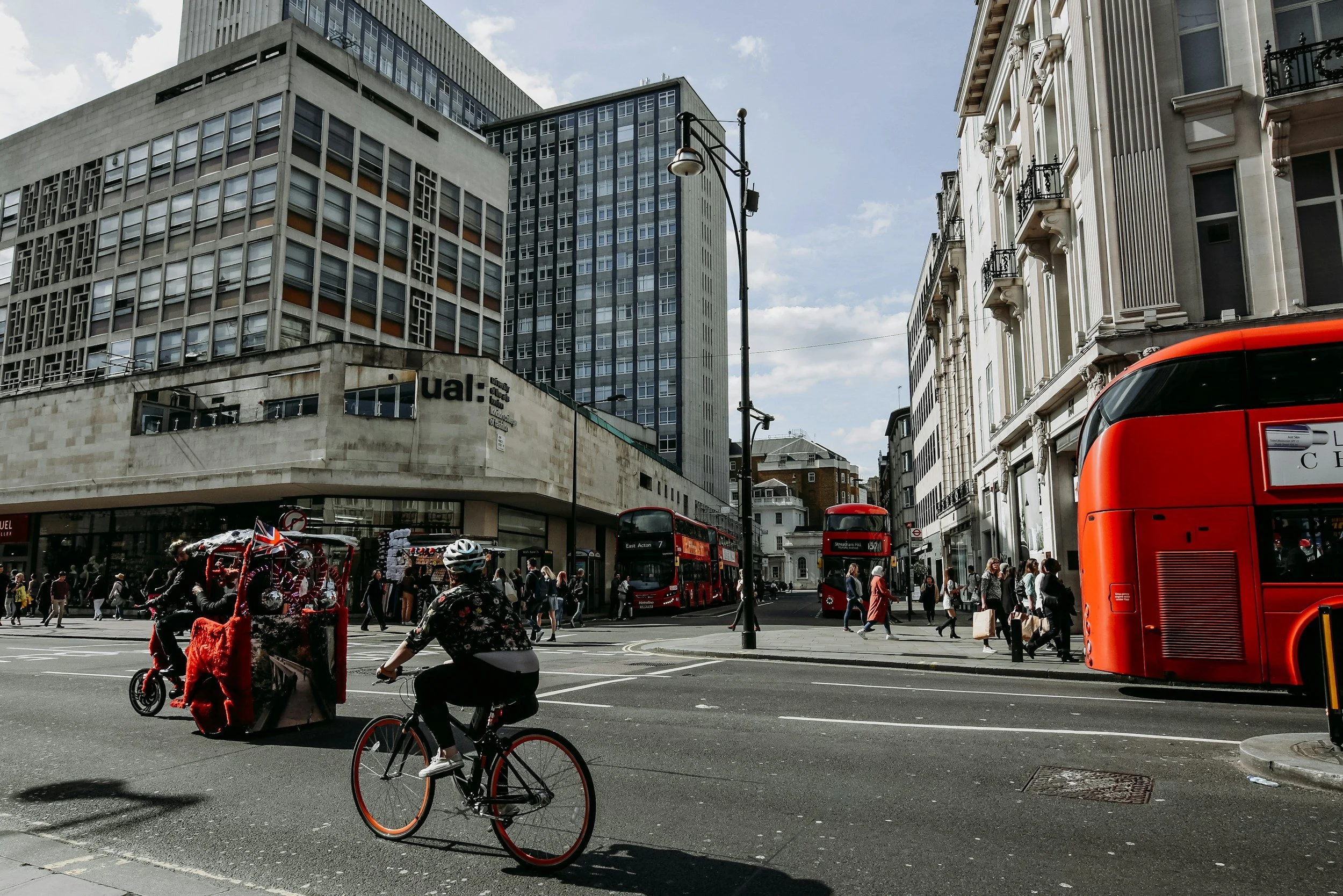
One of the first things people realise after arriving in London is this:
The city is incredible.
The transport system is massive.
And if you’re not careful… it gets expensive very quickly.
A few Tube rides here, a train there, maybe a bus after dinner suddenly you’ve spent far more than expected without even noticing.
But here’s the thing most tourists (and even new Londoners) don’t fully understand:
London transport only feels expensive when you use it the wrong way.
Because once you understand how the system actually works, getting around London can become surprisingly manageable even on a budget.
And no, this isn’t one of those unrealistic “just walk everywhere” guides.
This is about the smartest, most realistic ways to travel around London cheaply without ruining your experience of the city.
1. Use Contactless or Oyster Never Buy Single Tickets
This is the biggest mistake visitors make.
Buying individual paper tickets in London is incredibly expensive compared to using:
contactless bank cards
Apple Pay / Google Pay
or an Oyster card
For example:
A single Tube journey with a paper ticket can cost significantly more than the same trip using contactless.
And importantly:
London’s transport system automatically applies daily and weekly fare caps when you use contactless or Oyster.
That means:
once you hit a spending limit
additional journeys become effectively free for the rest of the day/week within the zones covered
You don’t need to calculate anything manually.
The system does it for you.
2. Buses Are the Cheapest Way to See London
Honestly, London buses are underrated.
Most visitors default to the Tube because it’s faster. But if you’re not in a rush, buses are one of the best budget travel hacks in the city.
Why?
Because:
A single bus fare is cheap
Unlimited bus/tram journeys within one hour are included under the Hopper fare system
You actually get to see London instead of travelling underground
Routes passing through areas like:
Westminster
South Kensington
Camden
can feel almost like sightseeing tours for a fraction of the cost.
And unlike the Tube, buses let you experience:
architecture
neighbourhoods
everyday London life
3. Walking Saves More Than Money
This sounds obvious, but in London, walking often makes more sense than people realise.
A lot of central London attractions look far apart on the map — but aren’t actually that far in real life.
For example:
Walking between:
Covent Garden
Leicester Square
Soho
can take less time than:
entering the Tube
waiting
changing platforms
exiting again
And while walking saves money, the bigger benefit is:
you experience London properly
You notice:
side streets
cafés
architecture
small moments you’d completely miss underground
4. Santander Cycles Are One of London’s Best Budget Hacks
If the weather is decent, London’s public bike system is genuinely useful.
Santander Cycles (often called “Boris Bikes”) allow short-term bike rentals across central London.
And compared to:
taxis
Ubers
peak Tube fares
they can be extremely affordable.
They work especially well for:
Hyde Park areas
South Bank
canal routes near King’s Cross
You don’t even need to plan an entire cycling day.
Sometimes one short ride can save:
time
money
and unnecessary Tube changes
5. Avoid Travelling at Peak Times If You Can
This matters more if you’re staying longer in London.
Peak-time travel:
costs more on certain rail services
feels far more crowded
makes the city more stressful
Generally:
weekday mornings
and evening rush hours
are the busiest.
If your schedule is flexible:
travelling slightly later can:
reduce costs
improve comfort
make journeys much easier
This is especially noticeable on commuter-heavy routes into central London.
6. Use Citymapper Not Just Google Maps
Google Maps works in London.
But honestly?
Citymapper works better for public transport.
Why Londoners love it:
live disruptions
platform info
fastest routes
cheapest combinations
bus vs Tube comparisons
It also helps avoid unnecessary transport spending because sometimes:
the “fastest” route isn’t the smartest one financially.
And in a city as complex as London, that makes a huge difference.
7. Avoid Black Cabs for Everyday Travel
London’s black cabs are iconic.
And yes, every visitor should probably try one once if they want the experience.
But for regular travel?
They’re expensive.
Very expensive compared to:
Tube
buses
walking
even many rideshare apps
Especially in traffic-heavy areas like:
Oxford Street
Soho
Mayfair
the meter rises quickly.
For budget travel in London:
black cabs should be occasional, not routine.
8. Don’t Overpay for Airport Transport
This is where many visitors lose money immediately after landing.
Yes, express airport trains are fast.
But they’re also expensive.
Depending on your airport, cheaper alternatives often exist:
Elizabeth line
standard rail services
Underground connections
National Express coaches
For example:
The Elizabeth line can often be much cheaper than premium airport express services while still being fast and comfortable.
The Biggest Money-Saving Secret? Stay Central When Possible
This sounds backwards because central hotels cost more.
But sometimes staying too far out actually increases:
transport spending
travel time
exhaustion
If you’re constantly paying for long daily journeys, the “cheap hotel” stops being cheap.
Areas with strong transport + walkability balance like:
Paddington
South Bank
King’s Cross
often work better overall.
Common Mistakes Tourists Make
❗ Using paper tickets
Huge unnecessary expense.
❗ Taking the Tube for very short journeys
Walking is often faster.
❗ Using taxis too often
Costs add up quickly.
❗ Ignoring buses
One of the best-value parts of London transport.
FINAL ANSWER
The cheapest way to travel around London isn’t using just one method.
It’s combining:
walking
buses
contactless Tube travel
and smart route planning
Because London rewards people who travel flexibly.
A lot of visitors spend their entire trip rushing underground from place to place.
But the people who enjoy London most usually do something different:
they walk more
slow down more
and use the city smarter, not harder
And ironically, that often ends up being cheaper too.