Hidden Christmas Symbols Around London Tiny Details with Big History
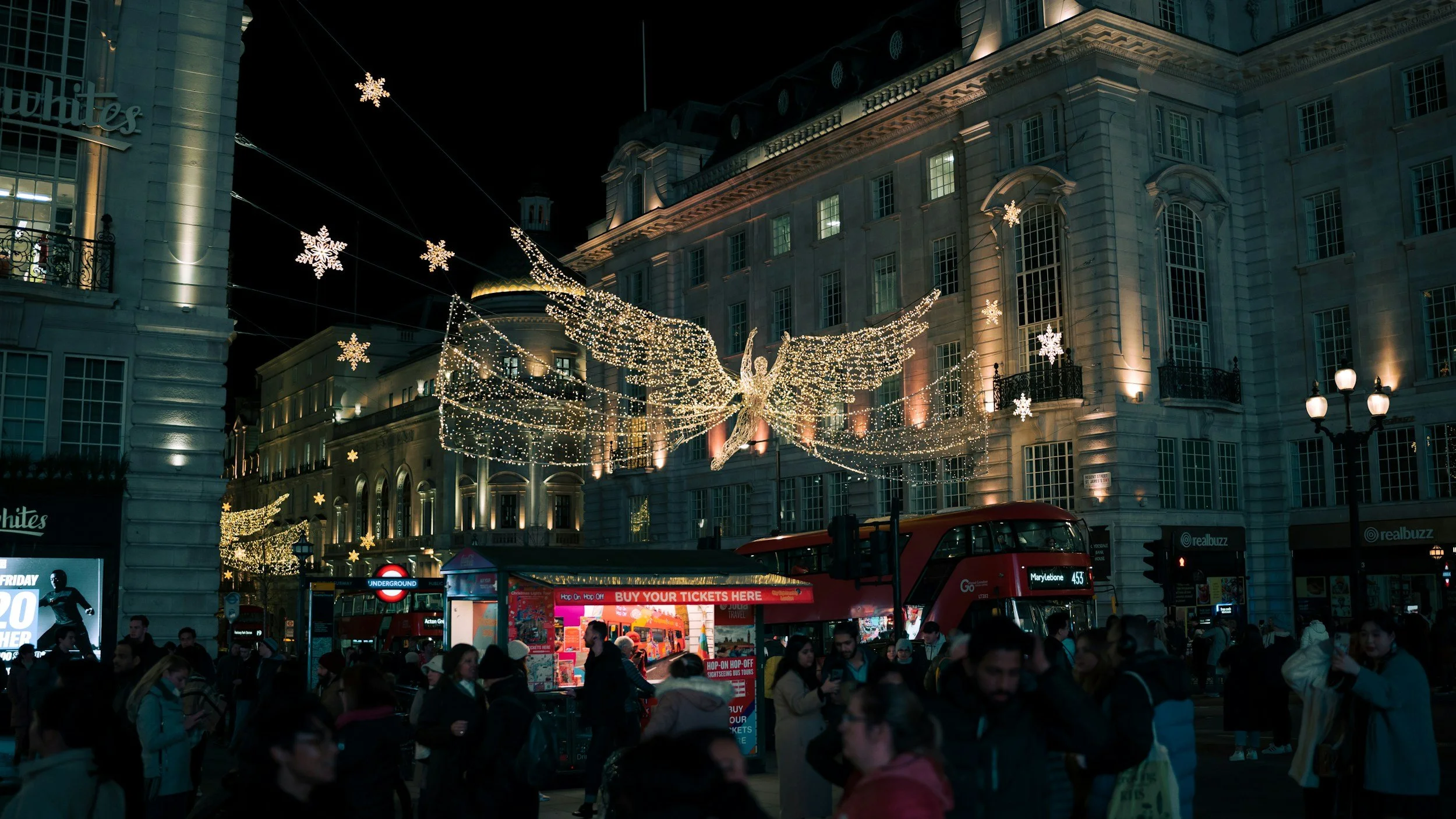
Everyone knows the big Christmas things in London the Trafalgar tree, the Regent Street angels, the Somerset House ice rink. But look closer and the city is full of quiet little symbols and gestures that carry centuries of meaning. These are the tiny things you’ll miss if you’re only here for an Instagram shot: a leftover Tudor kissing-bough pattern carved into a church, a holly sprig tucked into a museum display, or the reason the Trafalgar spruce is always Norwegian. Those small things are the ones that make London feel like a layered, lived-in city during the holidays.
Here are the details I hunt for every December where to see them, why they matter, and how to get there without turning your sightseeing into a stress test.
1) The Trafalgar Tree gratitude dressed as evergreen
You’ve seen the Trafalgar Square tree in a hundred festive posts, but do you know what it actually stands for? Every year since 1947 (and once during the war) a spruce is sent from Oslo as a token of Norway’s thanks for Britain’s support in World War II. It’s not just a photo prop: it’s a public symbol of post-war friendship that returns every year and is traditionally decorated in a simple, Norwegian style. If you want to stand under it and feel the city’s seasonal ritual, go in the early evening when carol groups often sing beneath its branches.
Where to see it: Trafalgar Square nearest Tube: Charing Cross (Bakerloo, Northern) or Charing Cross/Embankment for short walks.
2) Kissing boughs & mistletoe echoes the Tudor trick that became a habit
Long before malls formalised the romance of mistletoe, England had the kissing bough: a round, hooped frame draped in greenery (often holly, ivy and mistle), sometimes with apples hung inside. The bough was a home-centred symbol of welcome and fertility; over centuries it evolved into the smaller mistletoe sprig we know today. Poking around markets like Covent Garden in December you’ll still see sellers with bundles and arrangements that echo this older tradition a reminder that the plant decorations are not just pretty, they’re cultural heirlooms.
Where to spot them: Covent Garden Market (West Piazza / Market Building) nearest Tube: Covent Garden (Piccadilly). Covent Garden’s big seasonal displays and stalls often include traditional greenery and kissing-bough–style installations.
3) Holly & ivy pagan shields and Christian meanings
Those sprigs of holly stuck on Christmas puddings or wreaths didn’t get there by accident. Evergreen plants like holly and ivy were used in winter festivals long before Christianity as symbols of life during the barren months; the church later folded them into Christmas symbolism holly’s prickly leaves sometimes representing Christ’s crown of thorns and its red berries the blood, while ivy suggests everlasting life. Look for carved holly motifs in older parish churches and smaller museum displays that explain British seasonal customs it’s a tiny visual thread from pre-Christian winter rites to Victorian parlour tables.
Where to look: old parish churches across the City and Bloomsbury, or museum displays at institutions like the V&A and Museum of London (both easy from South Kensington and Barbican/Tower Hill respectively).
4) The Christmas pudding sprig food as symbol and superstition
That sprig of holly on top of a pudding? It’s part presentation, part ritual. Christmas pudding itself evolved from medieval pottages into the steamed plum pudding of later centuries; the Victorians refined the ritual of making, maturing and ceremonially serving it often with a holly sprig on top. When you see a well-dressed pudding in a market window or on a restaurant menu in December, you’re looking at a food that carries a whole set of seasonal meanings (charity, family, continuity) not just calories.
Where to taste or see one: Borough Market (near London Bridge) has stalls selling seasonal puddings and related treats; many traditional pubs and hotels offer classic pudding on their menus in December.
5) Mini-theatre props & theatrical trees the backstage Christmas nods
London’s long theatre tradition means Christmas is full of theatrical gestures: trees that look like stage props, decorations that reference backstage life, and seasonal displays that nod to costume and set design. An example this year is the Royal Opera House’s theatrical tree installations that celebrate backstage craft a gentle reminder that London’s festive face is often designed by the city’s creative industries. These are small, clever details that reward a slow walk around Covent Garden and the theatre district.
Where to see it: Royal Opera House / Covent Garden nearest Tube: Covent Garden or Leicester Square. If you’re staying nearby at a place like HOTEL you can walk the whole theatre-and-tree loop and be back before the last trains.
6) Market lanterns, carved signs and Victorian ornament street-scale folklore
Wander off the main festive promenades and you’ll find small details: brass shop signs with wreath patterns, painted market huts decorated with holly borders, or Victorian ironwork re-used in modern displays. Places with old-market bones Leadenhall Market (for its Victorian roof and cobbles) and the side-streets around Southwark keep that layered look. These details are easy to miss but say a lot about how London remakes old forms into new rituals. (Tip: take your photos before midday to avoid coaches and get the best light.)
Where to wander: Leadenhall Market (nearest Tube: Bank / Monument) and the lanes off Borough Market (nearest Tube: London Bridge).
7) Caroling corners & charity trees public ritual, quietly persistent
The big, televised events are only the surface. Small, local carol groups, church choirs and charity trees (often placed by neighbourhood groups or churches) are where the communal meaning of Christmas shows up most plainly. Pop by Trafalgar Square, market piazzas, or a local church on an evening in December and you’ll hear informal singing that’s been part of London’s Christmas soundscape for generations. It’s these human, uncurated moments that often carry the most warmth.
Where to catch it: Trafalgar Square, Covent Garden piazza, and local parish churches across Bloomsbury and the City early evening visits usually work well.
How to make these little discoveries feel manageable (local hacks)
Pick a small cluster: Covent Garden + Royal Opera House + Somerset House make a gentle loop you can walk in an afternoon without changing trains.
Go early: markets and piazzas are best before noon or during late afternoons on weekdays.
Dress for wandering: comfy shoes, layers, and a small crossbody bag keep you nimble. If you want to finish your walk with a warm, simple place to drop off bags and regroup, book a room at LONDON HOTEL or pre-book a ride with LOCAL CAB SERVICE.
Read the plaque: small tiles, plaques and shop signs often have short histories take a minute to read them and you’ll find the best stories.
Tiny symbols, big memories
The big lights give London its postcard silhouette but the tiny symbols are the city’s private jokes and old promises. A sprig of holly, a kissing bough echo in a market stall, a Norwegian spruce planted out of gratitude each is a tiny strand in London’s long festive braid. If you look for them, you’ll find that the city’s Christmas is more than a season of spectacles: it’s an accumulation of small, human gestures that have outlived fashion, war and advertising.
If you liked this slow, detail-led walk through London’s quieter seasonal meanings save this, pin the routes, and come say hello. I post pocket routes, last-minute crowd updates, and the little stories behind the city’s ornaments that make London feel like more than a checklist.
For real-time tips, cosy spot suggestions, and low-key local routes (plus the occasional heartwarming historical oddity), follow @london.yaar on Instagram think of it as a friendly Londoner in your pocket, nudging you toward the small things that matter.