Facts About London You Only Learn After Living Here
There are things you know about London before you arrive.
You know it’s expensive. You know it’s busy. You know it has history, accents, and an opinion on how you should stand on escalators.
But then there are the things you only understand after you’ve lived here long enough for the city to stop explaining itself to you.
These aren’t “fun facts” you read on plaques or hear on walking tours. They’re quieter truths learned slowly, through repetition, frustration, routine, and moments you didn’t realise were shaping how you see the city.
If you’ve lived in London, you’ll recognise these instantly.
If you haven’t yet, this is the version of London most guides don’t prepare you for.
London Is Multiple Cities Pretending to Be One
On a map, London looks like one enormous place.
In real life, it behaves like dozens of small cities stitched together each with its own pace, personality, and unspoken rules. Hackney doesn’t feel like Chelsea. Greenwich doesn’t feel like Camden. South of the river operates on a slightly different rhythm to the north, even if no one openly admits it.
This isn’t accidental. London grew by absorbing villages and towns over centuries, rather than being built from a single plan. That’s why neighbourhood identity matters so much here and why people often introduce themselves by area rather than postcode.
Once you live here, you stop saying “London” and start saying “my bit of London.”
Distance Matters More Than It Looks on a Map
Before living here, you assume everything in London is “close enough.”
After living here, you learn that time matters more than distance.
Two places might look nearby, but if they’re on different Tube lines with awkward changes, they may as well be in different cities. Meanwhile, somewhere technically farther away but on a direct line suddenly feels easy.
London teaches you to plan your life around transport logic, not geography. That’s why locals choose cafés, gyms, and even friendships based on Tube lines without ever saying so out loud.
The Weather Isn’t Bad It’s Just Constantly Involved
London’s weather isn’t extreme. That’s the truth.
What you learn after living here is that it’s simply always present. It influences how you dress, walk, plan, and think even when it’s doing very little.
Grey days aren’t depressing once you adjust. They’re atmospheric. Light rain doesn’t stop anything. Heatwaves are brief but memorable. Snow causes chaos not because it’s heavy, but because it’s rare.
You don’t fight London’s weather. You adapt to it. Quietly.
Londoners Are Polite, Not Friendly Until It Counts
This one surprises people.
Londoners don’t do small talk easily. Eye contact on the Tube is minimal. Conversations with strangers are brief and practical.
But when something actually matters a suitcase on stairs, directions when you’re clearly lost, a delayed train shared by everyone help arrives immediately.
You learn that London politeness is about respect for space, not warmth on demand. Once you understand that, the city feels far kinder.
Parks Aren’t “Attractions” They’re Part of Daily Life
When you visit London, parks feel impressive.
When you live here, they feel essential.
Parks aren’t special occasions. They’re where people walk to clear their heads, eat lunch, meet friends, run, sit alone, or do nothing at all. No one rushes you. No one asks why you’re there.
That’s why places like Hyde Park, Regent’s Canal, and Hampstead Heath feel so emotionally important once you leave.
If you want to understand London properly, you don’t need another landmark you need a bench.
London Is Expensive But Not Always in the Ways You Expect
Yes, rent is high. Transport adds up. Coffee prices can be shocking.
But living here teaches you something more nuanced: London rewards people who learn its rhythm.
Free museums. Off-peak travel. Quiet weekdays. Independent cafés that don’t advertise. Local markets that beat supermarkets. Experiences that cost nothing but time.
London doesn’t make life cheap but it gives you options if you’re paying attention.
The City Is Older Than It Looks And Younger Than It Feels
London feels ancient. And it is.
But living here teaches you that most of what you interact with daily is surprisingly modern rebuilt after fires, wars, and redevelopment. Many “historic” streets are careful reconstructions layered over centuries of change.
At the same time, traditions remain intact: street layouts, legal quirks, borough boundaries, and rituals that quietly persist.
London isn’t frozen in time. It just carries it well.
You Stop Visiting Landmarks And Start Using Them
Tourists visit landmarks. Londoners use them.
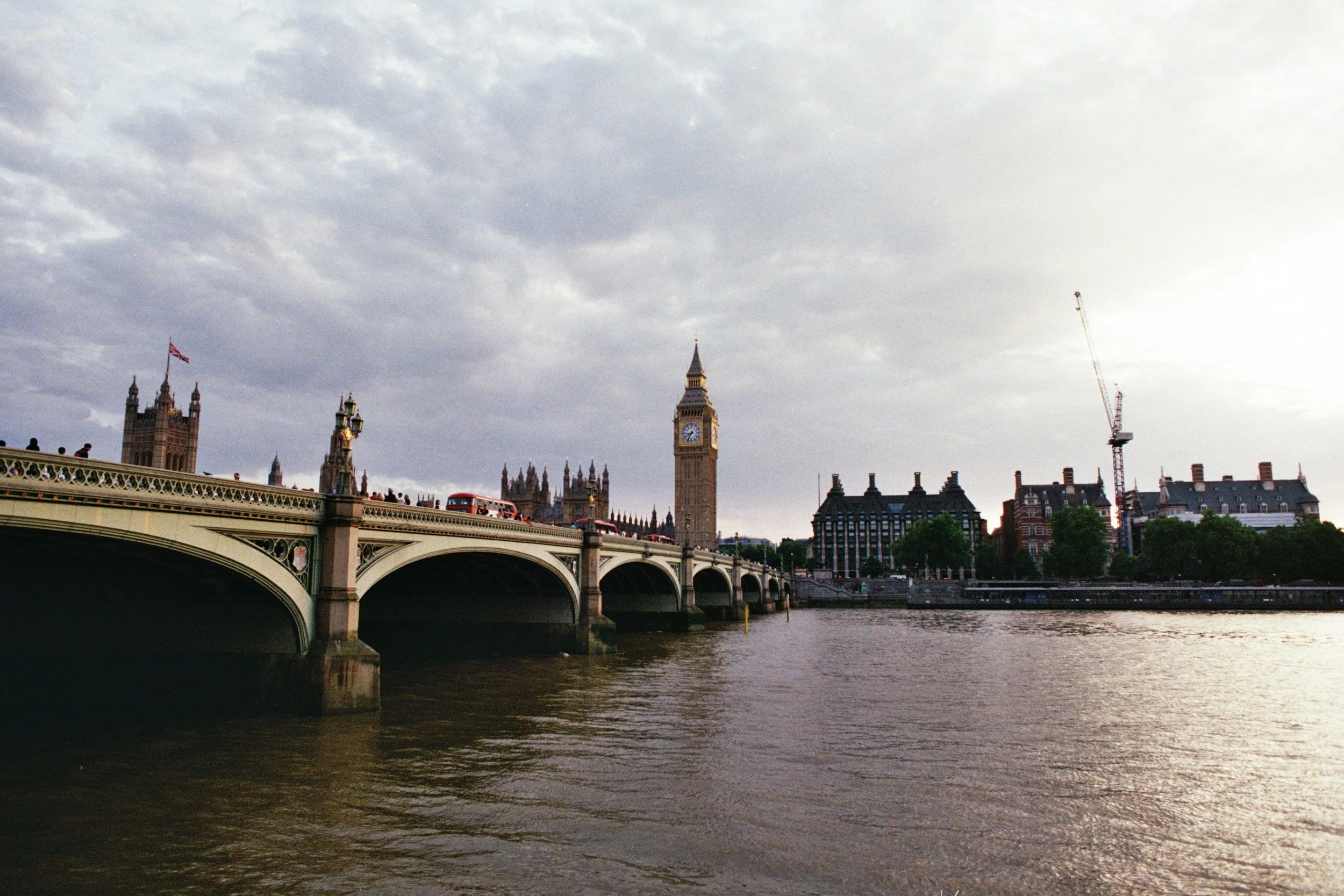
You meet friends “by the lions” in Trafalgar Square. You cross Westminster Bridge without thinking about it. You walk past the Tower of London on your commute.
These places stop being destinations and become reference points anchors in your daily life.
That’s when London stops being impressive and starts being familiar.
Silence Is Rare But Still Possible
London is loud. Always.
But if you live here long enough, you learn where the quiet hides: early mornings, residential streets, libraries, canals, parks, and cafés at the right hour.
The silence isn’t obvious it’s earned.
And once you find it, you realise London doesn’t overwhelm you. It challenges you to find balance inside it.
Leaving London Is Often Harder Than Arriving
Moving to London is intimidating.
Leaving it is complicated.
People don’t just miss the city they miss who they were inside it. The independence. The anonymity. The constant motion. The sense that anything might happen, even if most days are ordinary.
London doesn’t always feel emotional while you’re living here. It becomes emotional later.
If You’re New Or About to Be
If you’re planning to experience London beyond the surface, give yourself time.
Live somewhere central enough to walk a stay near Bloomsbury, South Bank, or King’s Cross helps you feel the city rather than rush through it. Walk more than you plan. Sit more than you think you should.
London reveals itself slowly. That’s not a flaw. It’s the point.
Final Thought
London doesn’t impress you all at once.
It teaches you patience. It asks you to pay attention. And if you stay long enough, it quietly becomes part of how you think, move, and live without ever asking for credit.
That’s what you only learn after living here.
For more honest London stories, slow travel ideas, and guides that feel human instead of polished, and explore Londonyaar.com.
London doesn’t need to be explained loudly.
It just needs to be noticed.