Facts About London Icons: What to Know, Where to Find Them, and the Best Little Details
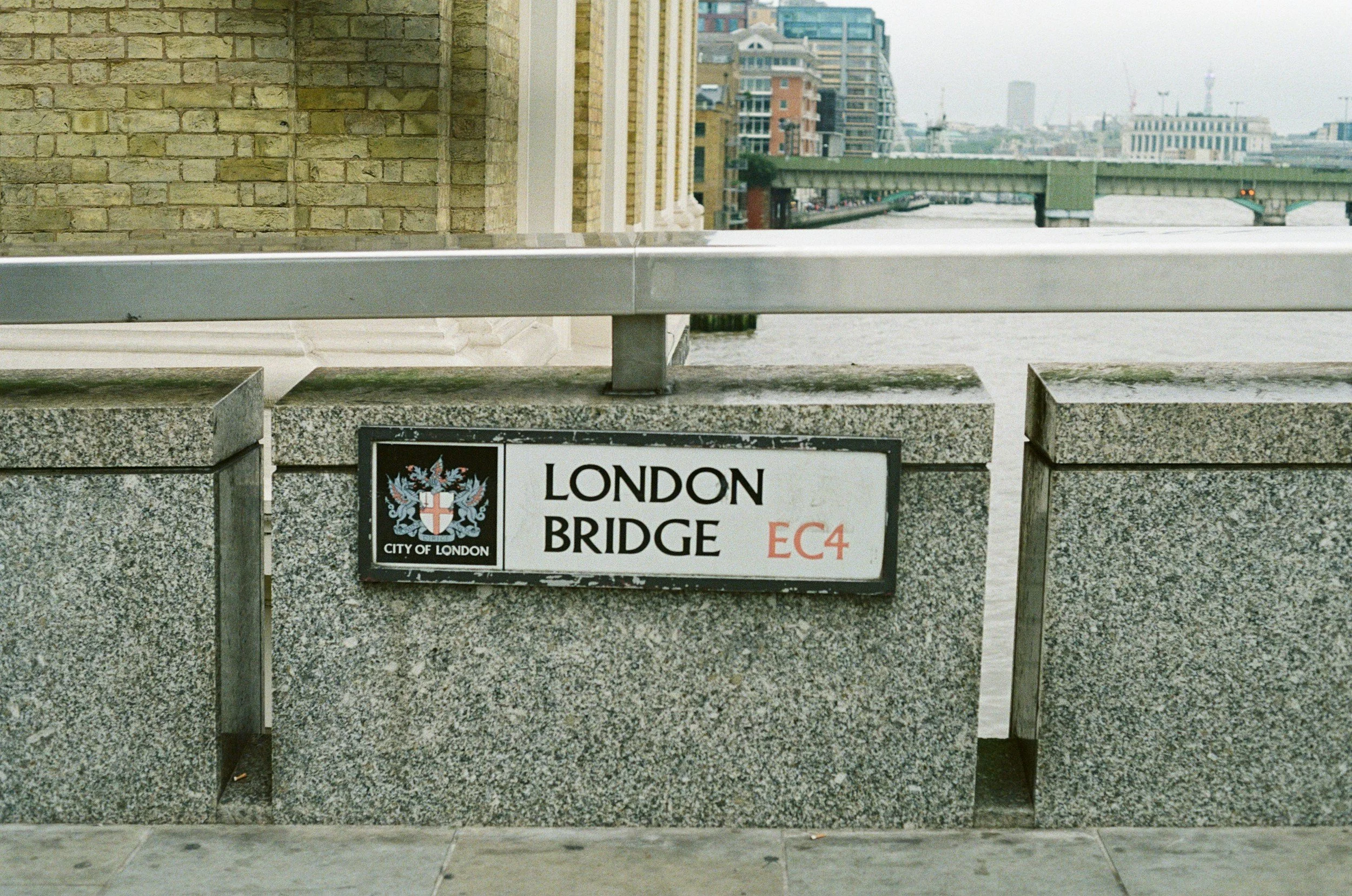
If you’ve ever typed “Facts about the London Eye” or “Where is London Bridge located?” into Google, you’re not alone. Millions of visitors search the same questions before their trip. London is a city built around icons: an enormous wheel on the South Bank, a bell that people call “Big Ben”, a bridge that looks like a gothic castle, and a palace that still hosts national moments. Here’s a friendly, fact-checked guide that answers those queries clearly with a few extra details and local tips so your visit feels easier, richer and more fun.
Facts about the London Eye
What is the London Eye? The London Eye (originally called the Millennium Wheel) is a giant cantilevered observation wheel on the South Bank of the River Thames. It opened for passengers in early 2000 and quickly became an emblematic part of the city skyline.
How tall is the London Eye? The structure stands 135 metres (443 ft) tall and has a diameter of 120 metres at opening it was the world’s tallest Ferris wheel (it has since been surpassed by taller wheels elsewhere).
How many people ride it and how long does it take? The London Eye carries millions of visitors each year (more than three million historically) and one full rotation takes about 30 minutes, giving slow, panoramic views across London’s skyline. It’s a low-speed ride designed for sightseeing rather than adrenaline.
Where is the London Eye and how to get there? It sits on the South Bank between Westminster Bridge and Hungerford Bridge, beside County Hall. Best stations: Waterloo (Jubilee, Northern, Bakerloo, Waterloo & City) or Westminster (Circle, District, Jubilee). Walk along the river and you can’t miss it.
Local tip: buy a timed-entry ticket online to skip the biggest queues and aim for “golden hour” (just before sunset) for photos that capture day → night in one rotation.
Big Ben the real facts people often confuse
First off: “What is Big Ben?” many people use “Big Ben” to mean the whole clock tower, but Big Ben is actually the nickname for the Great Bell inside the tower. The tower itself is officially Elizabeth Tower (renamed in 2012 for Queen Elizabeth II’s Diamond Jubilee). The Great Clock and bell are world-famous for their reliability and chimes.
A few striking facts: the clock faces are 6.9 metres (22.5 ft) in diameter; the bell (Big Ben) weighs about 13.5 tons; and the clock mechanism is so precise that it’s adjusted by adding or removing pennies to the pendulum. The mechanism is wound regularly and the clock remains one of the most famous timekeepers in the world.
Where is it? Elizabeth Tower (and the Houses of Parliament) sits on the north bank of the Thames at Westminster nearest Tube: Westminster station. Note: UK Parliament security restricts access, so check tour availability in advance.
Tower Bridge quick facts
Is Tower Bridge the same as London Bridge? No this is the most-asked confusion. Tower Bridge is the neo-Gothic bascule bridge with twin towers and a raised roadway; London Bridge is a more straightforward modern crossing a short walk upstream. Tower Bridge opened in 1894 and was deliberately designed in a medieval style to complement the nearby Tower of London.
Where to see it and how to reach it: Tower Bridge spans the Thames beside the Tower of London. Best Tube: Tower Hill (Circle & District), or walk from London Bridge station along the north bank for a dramatic riverside approach. The Tower Bridge Exhibition lets you walk the high-level walkways and see the original engine rooms.
Fun nugget: the bridge still opens for tall ships and large vessels; the bascules were originally hydraulically powered and are now run by a modern system but the historic engine rooms are preserved for visitors.
Buckingham Palace & other London icons quick facts
Where is Buckingham Palace? It’s in the City of Westminster, facing The Mall and Green Park. Nearest Tube stations: Green Park or Victoria. Buckingham Palace has 775 rooms and the largest private garden in London; the State Rooms open to visitors during summer (dates vary) while the Palace may be partially closed during renovations or state events.
Other icons with bite-size facts people love:
The Tower of London — founded by William the Conqueror in the 11th century; home of the Crown Jewels; nearest Tube: Tower Hill.
The British Museum — one of the world’s oldest and largest museums; free entry to the permanent collection; nearest Tube: Tottenham Court Road/Holborn.
St Paul’s Cathedral — iconic dome by Sir Christopher Wren; climb the Whispering Gallery for a quirky acoustic trick; nearest Tube: St Paul’s.
Westminster Abbey — site of coronations and royal weddings; nearest Tube: Westminster or St James’s Park.
Final thought
If you asked “What are the facts about the London Eye?” or “Where is London Bridge located?” now you have short, accurate answers and directions for actually seeing them. London’s icons are best experienced slowly: stand under the wheel, listen for the clock’s chime, and watch the bascules open at Tower Bridge. Those small moments are what people remember.
For live tips, crowd updates, and local photos with short routes, follow @london.yaar on Instagram think of it as having a friendly Londoner in your pocket.