9 London Shops That Have Survived for Generations And You Can Still Visit Them
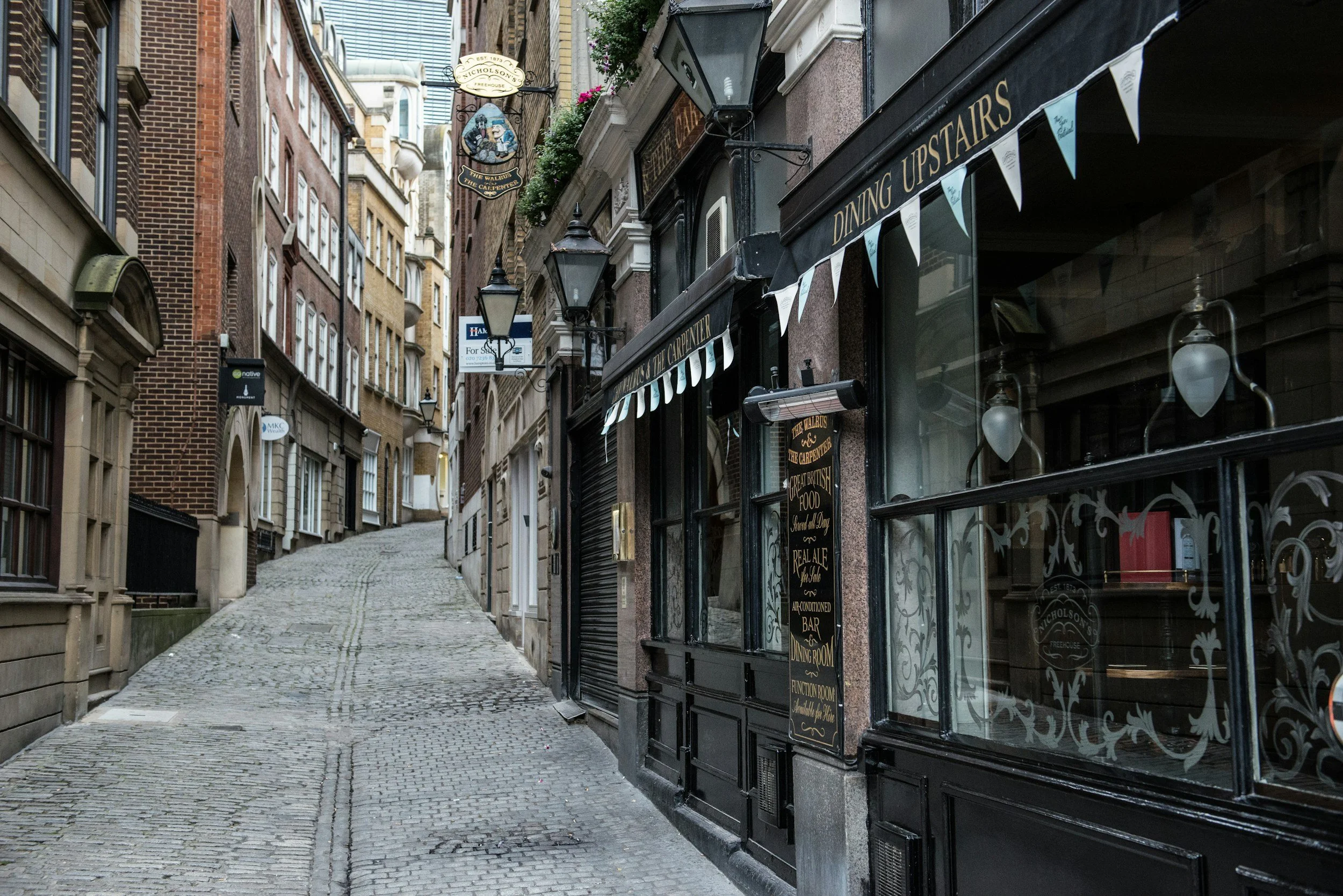
London changes ridiculously quickly.
A shop that seems to have been there forever can disappear almost overnight, replaced by another café, another chain or another store that looks exactly like ten others across the city.
Which makes the places that have actually survived for generations rather special.
Some have been selling the same kind of products for centuries. Others have changed what they sell but kept the same name, location or family connection. A few have survived wars, recessions, changing fashions and entire generations of Londoners.
And the best part?
These aren't museums.
They're still shops.
You can walk through the door today and actually buy something.
So if you want to see a side of London that has survived long before the city looked anything like it does now, here are 9 historic shops worth visiting.
1. Lock & Co. Hatters - St James's
Established: 1676
If you only visit one shop from this list, make it this one.
Lock & Co. Hatters claims something rather extraordinary: it is the oldest hat shop in the world and the oldest shop in London.
The business was founded in 1676 by Robert Davis, during the reign of Charles II. It moved to its current address at 6 St James's Street in 1765, where the Lock family still operates the business today.
That's more than 350 years of hat-making history.
And this isn't simply a shop displaying old photographs.
It still makes and sells hats.
The company is also associated with one of the most recognisable pieces of British headwear: the bowler hat, which Lock & Co. says was created by the firm in 1849.
Walk inside and you're surrounded by a very different London from the one outside.
Wooden displays.
Traditional hat boxes.
Handcrafted headwear.
And centuries of stories.
Where: 6 St James's Street, St James's
Best for: Seeing one of London's oldest surviving shops in action.
2. Berry Bros. & Rudd - St James's
Established: 1698
Walk into Berry Bros. & Rudd and you're walking into a business that began more than three centuries ago.
It was founded in 1698 by a woman whose surname was Bourne. She established a grocery business opposite St James's Palace, and the company gradually evolved from a grocer into the wine and spirits merchant it is today.
The company now describes itself as Britain's oldest wine and spirits merchant.
And remarkably, it still trades from No. 3 St James's Street.
The building itself is part of the experience.
You'll find old-fashioned interiors, historic weighing scales and the famous Coffee Mill sign, which has been associated with the shop for centuries.
It is the kind of place where you can walk in to buy a bottle of wine and suddenly realise that you're standing somewhere that has been serving customers since before the United States existed.
Where: 3 St James's Street
Best for: Wine, history and one of London's most atmospheric old shops.
3. Twinings - Strand
Established: 1706
You probably know Twinings.
But you might not realise just how old the London shop behind the brand is.
In 1706, Thomas Twining purchased Tom's Coffee House on the Strand. Tea eventually became the focus of the business, and in 1717 he opened a dedicated tea shop in the neighbouring properties.
That shop is still there.
Today, 216 Strand is Twinings' flagship London store, and the company describes it as the world's first dry tea and coffee shop.
You can walk in, browse hundreds of years of tea history and buy tea to take home.
There's also a tea bar where you can sample loose-leaf teas, along with tea masterclasses and experiences.
And there's a particularly nice detail inside.
The shop displays a portrait of William Hogarth, connected to the story of his dealings with Thomas Twining.
So next time you're walking along the Strand, don't just walk past the famous Twinings sign.
Go inside.
Where: 216 Strand
Best for: Tea lovers and anyone fascinated by London's coffee-house history.
4. Fortnum & Mason - Piccadilly
Established: 1707
Yes, you've probably heard of Fortnum & Mason.
But it's easy to think of it simply as a beautiful department store in Piccadilly.
Its history is much older than that.
Fortnum & Mason was founded in 1707 by William Fortnum and Hugh Mason. The business began in a much more unusual way than you might expect: Fortnum was a footman in Queen Anne's household and sold leftover household candles, eventually joining with his landlord Mason to establish the business.
Over the centuries, Fortnum's became known for food, tea, gifts and luxury goods.
And the Piccadilly flagship remains at the heart of the business.
You can still walk through its doors today and shop across its different floors, visit the restaurants and tea salon, or simply explore the building.
It's a good example of something important about these old London shops:
survival doesn't mean staying exactly the same.
Fortnum's has changed enormously while keeping its identity.
Where: 181 Piccadilly
Best for: Food, gifts, tea and experiencing a living piece of London's retail history.
5. Floris - Jermyn Street
Established: 1730
Jermyn Street is already one of the best places in London to experience old-school elegance.
And then you come across Floris.
The family perfumery was founded in 1730 by Juan Famenias Floris and his wife Elizabeth, who began selling perfume, combs and shaving products at 89 Jermyn Street.
And here's the really impressive part:
89 Jermyn Street is still the heart of the business today.
Floris says the shop is still run by the family, with its descendants continuing the business.
Inside, you'll find the original dark mahogany cabinets and a collection of fragrances.
There's also a museum space displaying pieces from the company's archive, while the perfumery offers bespoke fragrance services.
So if you're walking through St James's and want to experience a genuinely old London shop rather than another modern luxury boutique, this is a brilliant stop.
Where: 89 Jermyn Street
Best for: Perfume, beautiful interiors and centuries of family history.
6. Hatchards - Piccadilly
Established: 1797
If you love books, this one should be obvious.
Hatchards was founded in 1797 by John Hatchard and has long claimed the title of Britain's oldest bookshop. The shop moved from its original Piccadilly premises and has been at its current location at 187 Piccadilly since 1823.
That puts it right next to Fortnum & Mason.
So you can actually create a little historical-shopping walk without going very far:
Fortnum & Mason → Hatchards → Jermyn Street → Floris → Lock & Co.
And unlike some historic buildings that now house something completely different, Hatchards is still doing what it was created to do.
Selling books.
Walk inside and browse the shelves, look at the portraits and enjoy the wonderfully old-fashioned atmosphere.
It's the kind of bookshop where you could easily lose an hour without noticing.
Where: 187 Piccadilly
Best for: Book lovers and anyone who likes beautiful old interiors.
7. James Smith & Sons - New Oxford Street
Established: 1830
You've probably walked past shops selling umbrellas before.
But you've probably never walked into one quite like James Smith & Sons.
The company was founded in 1830, and its current shop at 53 New Oxford Street is largely unchanged, retaining its distinctive Victorian character.
And umbrellas aren't the only thing you'll find.
The shop also specialises in walking sticks, canes and seat sticks, while offering repairs for its umbrellas.
The building itself is listed Grade II* by Historic England.
Which makes this one of those places where the shop is almost as interesting as what is being sold.
And honestly, if you've ever thought an umbrella was just an umbrella, walk in here.
You'll probably change your mind.
Where: 53 New Oxford Street
Best for: Umbrellas, walking sticks and one of London's most distinctive historic shop interiors.
8. Davenports Magic Shop - Charing Cross
Established: 1898
Now for something considerably more unusual.
Hidden inside Charing Cross station, you'll find Davenports Magic Shop.
It was founded in 1898 by Lewis Davenport, who was only 16 when he started the business. Time Out notes that it now holds the Guinness World Record as the world's oldest family-run magic shop.
And yes, you can still walk in and buy magic tricks.
Cards.
Ropes.
Silks.
Cups and balls.
And all the things you probably remember from trying to perform magic as a child.
The shop has also remained connected to the Davenport family, with later generations continuing the business.
It's a particularly good stop if you're travelling through Charing Cross anyway because you don't need to make an entire journey just to find it.
Where: Charing Cross station
Best for: Magic tricks, unusual gifts and one of London's strangest surviving shops.
9. Truefitt & Hill - St James's
Established: 1805
And finally, something for anyone who likes traditional grooming.
Truefitt & Hill traces its history back to 1805, when William Francis Truefitt established the business in London. The company is still based around the world of traditional gentlemen's grooming and operates from St James's. Its branding and historical records identify it as “Est. 1805, London.”
It's a reminder of how different shopping once was.
Before giant beauty retailers and endless online choices, specialist shops like this built their reputations by developing expertise in one particular field.
In this case:
shaving and grooming.
Today, the brand sells grooming products and offers traditional barbering services, meaning you can still experience the type of service that helped make the business famous.
Where: St James's
Best for: Traditional shaving, grooming and old-school London style.
The interesting thing about these shops
Notice something?
They're not all selling the same thing.
One sells hats.
One sells wine.
One sells tea.
One sells perfume.
One sells books.
One sells umbrellas.
One sells magic tricks.
One sells grooming products.
And one became one of London's most famous luxury stores.
What connects them isn't what they sell.
It's how long they've been selling it.
Some of these businesses have survived for more than 300 years.
They have seen London change from a Georgian city into the Victorian capital, through two world wars, the arrival of the Tube, the rise of department stores, shopping centres, online shopping and everything else that has transformed the city.
And they're still here.
You can make a whole day out of them
And this is where the list becomes even more useful.
Several of the oldest shops are concentrated around St James's, Piccadilly and the West End.
You could start at:
Twinings - Strand
Then walk towards:
Fortnum & Mason - Piccadilly
Then:
Hatchards - Piccadilly
Continue towards:
Floris - Jermyn Street
Then:
Lock & Co. - St James's Street
And finish around St James's with:
Berry Bros. & Rudd
That's six historic businesses in one walk.
And you don't need to treat it like a formal historical tour.
Browse the books.
Smell the perfumes.
Look at the hats.
Admire the old shopfronts.
Buy some tea.
And maybe pick up something you'll actually take home.
What makes these shops worth visiting?
It isn't simply their age.
A 300-year-old shop that feels like a museum isn't necessarily interesting.
What's special about these is that they're still functioning businesses.
You can walk into Twinings and buy tea.
You can buy a book at Hatchards.
You can buy a hat at Lock & Co.
You can buy an umbrella at James Smith & Sons.
You can buy perfume at Floris.
You can buy wine at Berry Bros. & Rudd.
You can buy a magic trick at Davenports.
The history is still being used.
And that's what makes the experience different.
London is constantly changing and that's why these places matter
Walk through central London today and you'll see global brands, modern restaurants, new hotels and shops that didn't exist a decade ago.
There's nothing wrong with that.
That's what cities do.
But every now and then, it's worth finding somewhere that refused to disappear.
A shop that has watched generations of Londoners walk through its doors.
A shop where the person serving you today may be continuing traditions that began centuries before they were born.
These places aren't frozen in time.
They're something better.
They're old London that is still alive.
So next time you're walking through Piccadilly, St James's, the Strand or the West End, don't just look at the big modern brands.
Look for the old signs.
The old shopfronts.
The businesses that have been quietly serving London for generations.
Because some of the city's best stories aren't in museums.
They're behind the shop door.
And you can still walk inside.
Discover more historic London places, unusual stories and hidden gems on LondonYaar.com.
Follow @rohan.londonyaar for more London history, places to visit and stories that make the city feel a little more interesting.