12 Things You Should Know About Notting Hill Carnival Before You Go
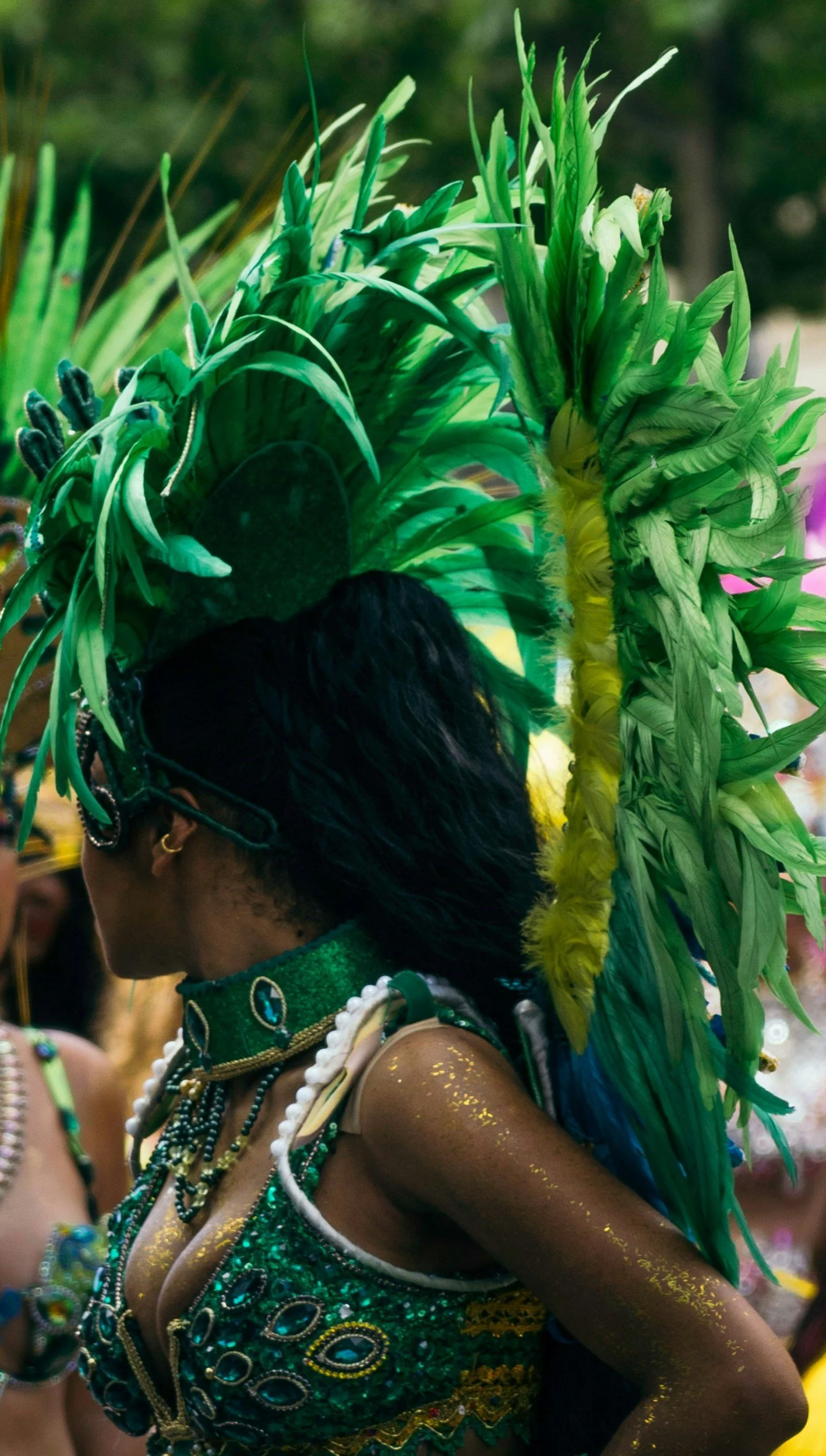
Notting Hill Carnival is one of those London events that looks completely different in photographs than it feels when you're actually there.
The costumes are enormous.
The music is everywhere.
The streets are packed.
There is Caribbean food, steelpan, soca, calypso, reggae, sound systems and dancing.
But if you've never been before, there are quite a few things you should know before simply turning up.
Because Notting Hill Carnival isn't just a big party.
It has a history, a culture and its own traditions and understanding some of them makes the experience much better.
And in 2026, there's an even bigger reason to pay attention: Notting Hill Carnival is celebrating its 60th anniversary.
So before you head to West London this August, here's what you should know.
1. Notting Hill Carnival is not just a party
This is probably the most important thing to understand.
Yes, Carnival is incredibly fun.
Yes, people dance in the streets.
Yes, there are giant sound systems, costumes, food and music everywhere.
But Carnival also grew out of a much more serious history.
The official Carnival organisation says the event emerged from a Notting Hill community dealing with racial tension, poor housing and conflict in the 1950s and 1960s. In 1959, the murder of Antiguan man Kelso Cochrane became a particularly significant event for the local Caribbean community.
Then, in 1966, local resident and social worker Rhaune Laslett organised a children's street party intended to bring a divided community together.
When Trinidadian steelpan musician Russell Henderson and his band joined the procession, people followed them through the streets.
That small procession became the spark for what eventually developed into today's Carnival.
So when you're standing in the middle of Carnival, you're looking at something that came from a community creating celebration in the middle of difficult circumstances.
2. 2026 is the 60th anniversary
This isn't just another year for Carnival.
2026 marks 60 years since the first Notting Hill street Carnival in 1966.
The official organisation is calling it the Diamond Jubilee, with events throughout the year celebrating the history, culture and people behind Carnival.
There have already been exhibitions, conferences, cultural events and music-related programmes throughout 2026, leading into the August celebrations.
So if you've been thinking about going to Notting Hill Carnival for the first time, 2026 is a pretty significant year to do it.
3. Carnival actually starts before the big parade
If you think Carnival is simply Sunday and Monday, there's something you should know.
The official 2026 programme begins on:
Saturday 29 August - Panorama
Sunday 30 August - J'ouvert & Children's Day
Monday 31 August - Main Parade & Adults' Day.
Saturday is particularly different because it is Panorama, the UK's National Steelband Competition.
It's ticketed, unlike the free public celebrations on Sunday and Monday.
So technically, the Carnival weekend starts before the huge street crowds arrive.
4. Sunday and Monday are not the same
This is something first-time visitors really should know.
Sunday is Families & Children's Day
Sunday 30 August features:
J'ouvert
the official opening ceremony
Children's Day Parade
children's masquerade
Dutty/Fun Mas
sound systems
stages
The official schedule has J'ouvert from 6am to 9am, the opening ceremony from 10am to 10:30am, the Children's Day Parade and Carnival from 10:30am, and sound systems from 12pm to 7pm.
Monday is Adults' Day
Monday 31 August is the big one for the main Adults' Parade.
The parade begins at 10:30am, with sound systems running from 12pm to 7pm.
So if you're deciding which day to attend, don't assume they're interchangeable.
They have different atmospheres and different programming.
5. You don't need to buy a costume to attend
This is another common misconception.
If you want to participate in a masquerade band, you can buy a costume and join the parade.
But you don't have to.
The official Carnival information explicitly says that on Monday, if you haven't bought a band costume, you can wear your own clothes, grab a whistle or horn and join in with the atmosphere.
So don't think:
“I don't have a costume, therefore I can't go.”
You absolutely can.
You can simply come as a spectator.
6. But the costumes are a huge part of Carnival
That said, if you want to understand Carnival properly, pay attention to the costumes.
Masquerade bands spend months preparing them.
The official Carnival organisation notes that some costumes can measure several metres in height and are handmade over the course of an entire year.
When the bands come through the streets, you're seeing much more than people dressed up for a party.
You're seeing design, craftsmanship, music, movement and Caribbean Carnival traditions brought together in one parade.
And that's why the costumes are one of the first things people remember.
7. The sound systems are not just background music
If you've never experienced Carnival before, this can be one of the biggest surprises.
The sound systems aren't simply speakers playing music somewhere in the background.
They are a fundamental part of Carnival.
The tradition is deeply connected to Jamaican sound-system culture and reggae, and today's Carnival sound systems play everything from reggae and dub to house, soul and other genres.
You will often find people choosing their day around particular sound systems.
It's almost like choosing which stage to spend your time at a music festival.
Except the stage is a street corner.
And the speakers can be enormous.
8. Don't expect to see everything
This is perhaps the most practical advice.
You won't see everything at Notting Hill Carnival.
And that's completely fine.
The event covers a huge area, with:
parade routes
masquerade bands
sound systems
live stages
food stalls
judging areas
crowds moving in different directions
If you try to walk around constantly trying to “tick everything off”, you'll probably spend most of your day fighting through crowds.
Instead, choose what interests you.
Want costumes?
Find a good position along the parade route.
Love music?
Pick a sound system or stage.
Want food?
Explore the stalls.
Want photographs?
Find somewhere suitable and be respectful of people participating.
Enjoy the Carnival instead of trying to conquer it.
9. Food is a major part of the experience
You shouldn't come to Carnival having already decided that you're going to eat at your usual London chain.
This is one of the best opportunities to try Caribbean food in the middle of the streets.
Depending on the stalls you encounter, you can find dishes and flavours from across the Caribbean, including things such as:
jerk chicken
roti
rice and peas
fried plantain
goat curry
and plenty of other Caribbean favourites.
Food is not an afterthought at Carnival.
It's part of the culture and the experience.
So come hungry.
10. J'ouvert is very different from the main parade
If you hear people talking about J'ouvert, don't assume they're simply referring to the main Carnival parade.
J'ouvert is an early-morning Carnival tradition.
For 2026, the official programme has J'ouvert taking place on Sunday 30 August from 6am to 9am, starting near Canal Way Roundabout.
It is associated with a more playful, messy atmosphere, and spectators can encounter paint, powder and other substances during Dutty/Fun Mas activities. The official Sunday information specifically warns spectators that they may be splashed with coloured paints, powder or even melted chocolate.
So if you're going early, don't wear the nicest clothes you own.
11. There is a moment of silence during Carnival
Among all the music and celebration, there is also a moment when the streets become quiet.
At 3pm on both Sunday and Monday, Carnival organisers invite attendees to take part in a 72-second moment of reflection.
It remembers the 72 people who lost their lives in the Grenfell Tower fire, as well as members of the community who have died. It also honours Carnival's pioneers.
It's an important reminder that Carnival exists within a real community.
It isn't just something that happens to the neighbourhood for one weekend.
The neighbourhood's own history is part of it.
12. Plan your journey before you go
This might be the least exciting part of the article.
It might also be the most useful.
Don't just turn up and figure out transport when you get there.
Carnival attracts enormous crowds, and roads, stations and pedestrian routes can be affected.
The official Carnival site has a dedicated Travel section alongside its maps, safety and accessibility information.
Before leaving:
Check your route.
Check TfL for current travel information.
Expect some walking.
Don't rely on getting a taxi right next to the Carnival.
Keep your phone charged.
Agree on a meeting point if you're with friends.
Download or save important information before you arrive.
And don't assume you'll be able to walk straight from one side of Carnival to the other in five minutes.
You won't.
What should you wear?
There's no single dress code.
You can come in normal clothes.
You can dress up.
You can wear Carnival colours.
You can wear a costume if you're participating in a band.
Or you can keep it simple.
The important thing is comfort.
You'll probably be walking.
You'll probably be standing for hours.
You may be dancing.
And if you take part in J'ouvert or Dutty/Fun Mas, you may get paint, powder or other substances on your clothes.
So think:
comfortable shoes
light clothing
something you don't mind getting dirty
a small bag
and weather-appropriate clothing.
London weather can change its mind very quickly.
What should you take with you?
Keep it simple.
Bring:
Your phone
Portable charger
Water
Some cash/card
Travel information
Sunscreen if it's sunny
A small bag
Any essential medication
Don't bring:
Huge bags
Valuable jewellery
Anything you don't want to lose
Unnecessary valuables
You don't want to spend half the day worrying about your belongings.
Is Notting Hill Carnival free?
The main Sunday and Monday Carnival celebrations are free to attend.
The official Carnival site currently lists:
Sunday 30 August - Free to All
Monday 31 August - Free to All
while Saturday's Panorama is ticketed.
Of course, “free” doesn't mean you won't spend money.
You might buy food.
You might buy drinks.
You might pay for transport.
You might buy a costume.
But you don't need an entry ticket to attend the main public Carnival days.
Do you need to go with friends?
Not necessarily.
But if it's your first time, going with friends can make things easier.
The crowds are huge, and mobile reception can become unreliable or simply make it difficult to find someone in a sea of people.
If you are going with a group, decide beforehand:
Where will we meet if we get separated?
Don't rely entirely on calling each other.
Choose a meeting point away from the busiest part of the crowd.
Is it suitable for children?
Sunday is specifically the Families and Children's Day.
The official Carnival programme describes Sunday as a family-focused day, with children's masquerade and the Children's Day Parade at its centre.
That doesn't mean it is quiet.
It is still a huge event with crowds, loud music and plenty of activity.
So if you're bringing children:
Keep them close.
Choose a clear meeting point.
Take regular breaks.
Bring water.
Consider ear protection for younger children.
Plan your journey home before you arrive.
What if you don't like huge crowds?
You don't have to spend the entire day in the busiest part of the parade.
You could focus on Panorama on Saturday instead, if you're interested in steelpan.
Or visit the area around Carnival on a different day and learn about its history without the enormous crowds.
And if you are attending Sunday or Monday, choose a specific part of the event that interests you rather than trying to experience every street.
The best way to experience Notting Hill Carnival
Don't treat it like another London attraction.
You don't arrive, take three photographs, say “I've been to Carnival” and leave.
Listen to the music.
Watch the bands.
Try the food.
Look at the costumes.
Learn about the history.
Talk to people if the opportunity naturally arises.
And understand that you're entering a celebration that has been built by a community over generations.
That's what makes it different.
The most important thing to remember
Notting Hill Carnival can look like chaos if you only see the photographs.
But there is a lot of structure behind it.
The bands prepare for months.
The costumes take enormous amounts of work.
Sound systems have their own history.
Steelpan has its own tradition.
The food represents Caribbean communities from across the region.
And the event itself grew out of a community trying to come together during a difficult period in London's history.
So when you finally find yourself standing on a Notting Hill street with music coming from every direction, costumes moving past you and thousands of people dancing around you, remember:
This wasn't created simply to entertain tourists.
It was created by a community.
And six decades later, that community is still keeping it alive.
So, should you go to Notting Hill Carnival?
If you've never been, yes at least once.
But go knowing what you're actually walking into.
It's loud.
It's crowded.
It's colourful.
It's messy.
It's tiring.
It's sometimes overwhelming.
And that's part of it.
But it's also one of the most extraordinary examples of London's different communities, cultures and histories coming together in one place.
And in 2026, as Notting Hill Carnival celebrates its 60th anniversary, you're not just attending another summer event.
You're witnessing six decades of a London tradition that has survived, changed and continued to grow.
So put on something comfortable, charge your phone, plan your journey and come ready to experience it.
Not just as a party.
As a piece of London's living history.
Want more London guides, events, hidden gems and things worth knowing before you visit? Keep exploring LondonYaar.com and follow @rohan.londonyaar for more.